
Long-Haired Dog Grooming: Breed-by-Breed Guide
Long-haired dogs are among the most visually striking breeds, but their coats come with real maintenance demands. What looks effortlessly beautiful in a show ring is the product of disciplined, consistent grooming. The good news is that most long-haired breeds are manageable at home with the right tools and a committed schedule — and many owners find the grooming process to be valuable bonding time. This guide covers the five most popular long-haired breeds and what each one specifically requires.
Golden Retriever
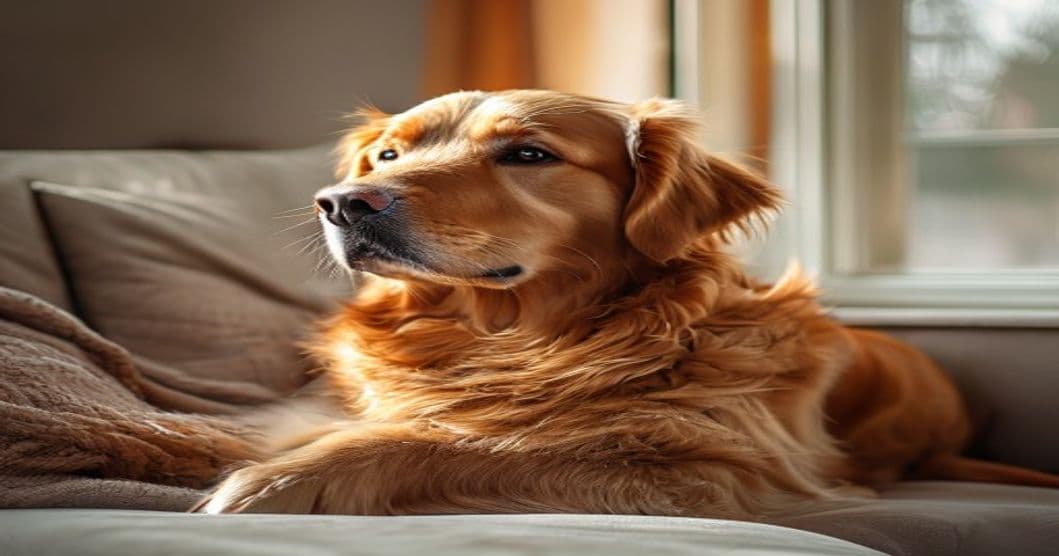
The Golden Retriever Health: Cancer Risk, Joints & Nutrition">Golden Retriever & Cancer: Prevention, Early Detection & The Morris Study">Golden Retriever Breed Guide">Golden Retriever Breed Guide">Golden Retriever Shedding Guide">Golden Retriever & Cancer: Prevention, Early Detection & The Morris Study">Golden Retriever Shedding Guide">Golden Retriever & Cancer: Prevention, Early Detection & The Morris Study">Golden Retriever Health Problems">Golden Retriever has a dense, water-repellent double coat with a thick undercoat and a longer, wavy or straight outer coat. They shed heavily year-round with major coat blows in spring and autumn.
Brushing frequency: 3–4 times per week minimum; daily during seasonal sheds.
Tools: Slicker brush for the outer coat; undercoat rake for the dense undercoat; wide-tooth comb to check for tangles.
Common problem areas: Behind the ears, the chest feathering, the belly, and the pants (long hair on the rear thighs) are the most prone to matting. Check these areas every brushing session.
Bathing: Every 6–8 weeks or as needed. A deshedding shampoo followed by thorough blow-drying removes enormous amounts of dead undercoat.
Professional vs. home: Most Golden owners manage at home successfully. Professional grooming 3–4 times a year for a full bath, blow-out, and trim of ear edges, paws, and tail feathering keeps the coat tidy.
Maltese
The Maltese has a single-layer, silky white coat that grows continuously and does not have a significant undercoat. This makes them low-shedding but high-maintenance in terms of coat care.
Brushing frequency: Daily, without exception, when kept in a long coat. The fine, silky texture tangles very easily.
Tools: Pin brush and fine-tooth metal comb. A detangling spray is highly recommended.
Common problems: Tear staining under the eyes is characteristic of the breed. Clean daily with a damp cloth or tear stain remover. The hair around the face and topknot needs daily attention.
Coat options: Many pet owners opt for a "puppy cut" — a short, uniform trim of 1–2 inches all over — that dramatically reduces maintenance. A full-length show coat requires daily brushing and regular professional appointments.
Professional grooming: Every 6–8 weeks for trimming, even if maintained at home between appointments.
Shih Tzu
The Shih Tzu has a luxurious double coat that grows continuously and reaches the floor if left untrimmed. Like the Maltese, they are relatively low-shedding but require significant daily grooming to maintain a long coat.
Brushing frequency: Daily in full coat; every 2–3 days in a short puppy cut.
Tools: Pin brush, metal comb, and a quality detangling spray. The topknot hair is traditionally tied up with a bow or clip to keep it from the eyes.
Common problems: Ear hair traps debris and wax — check and clean ears weekly. The face wrinkle (skin fold above the nose) needs daily cleaning with a damp cloth to prevent skin fold dermatitis. Mats develop rapidly in the armpits and groin if brushing is skipped.
Professional grooming: Every 4–6 weeks for dogs in full coat; every 6–8 weeks for those in a puppy cut.
Recommended Tools: Breed-specific grooming tools including pin brushes, slicker brushes, undercoat rakes, detangling sprays, and professional-quality combs are available at Zooplus — with options for fine silky coats, dense double coats, and everything in between.
Afghan Hound
The Afghan Hound's coat is one of the most demanding in the dog world — a long, fine, silky coat that can reach the ground on a mature dog, with a short saddle of hair along the back. Afghan coats are extraordinarily prone to tangling and require daily attention.
Brushing frequency: Daily, and every brushing session must be thorough. The fine texture and length mean tangles form overnight.
Tools: Pin brush, wide-tooth comb, and a high-quality conditioning spray used at every brushing session. Never brush a dry Afghan coat — always mist with conditioner first to prevent hair breakage.
Bathing: Weekly or bi-weekly bathing is recommended for Afghans. Use a moisturizing dog shampoo and conditioner, and blow-dry thoroughly while brushing section by section.
Common problems: The ear fringing mats rapidly. The long ear leathers hang into food and water bowls — use a snood (a fabric tube) to protect the ears during feeding.
Professional grooming: Most Afghan owners with show dogs work with a specialist groomer. Pet owners can manage at home but should plan 1–2 hours per grooming session.
Bernese Mountain Dog
The Bernese Mountain Dog has a thick, moderately long double coat — denser than the Golden Retriever's, with a distinctive tri-color pattern. They are heavy shedders year-round.
Brushing frequency: 3–4 times per week; daily during the twice-yearly coat blow.
Tools: Slicker brush, undercoat rake, and a metal comb to check for hidden mats. The Furminator-style deshedding tool is highly effective during peak shed periods.
Common problems: Mats develop in the armpits, behind the ears, and between the rear legs. The coat in these areas should be checked at every brushing session. The feathering on the legs and the collar area around the neck are also mat-prone.
Bathing: Every 6–8 weeks. A Bernese's coat takes significant time to dry thoroughly — a pet dryer or high-velocity dryer is strongly recommended over air drying, which leaves the undercoat damp for hours and can cause skin problems.
Professional grooming: 2–4 times a year for full bath, blow-out, and tidying of paw pads and ear edges.
Universal Tips for Long-Haired Breeds
- Never brush a dry, tangled coat without a detangling or conditioning spray — you break hair shafts and cause pain.
- Work in sections — part the coat with a comb and work through one layer at a time rather than brushing over the top.
- Check paw pads — long-haired breeds grow hair between the paw pads that collects debris and ice in winter. Trim this regularly with blunt-tipped scissors.
- Ear hair management — most long-haired breeds have significant ear fringing that traps debris. Ask your veterinarian or groomer whether plucking ear canal hair is appropriate for your breed.
The AKC breed-specific grooming guides and the ASPCA grooming resources provide additional breed-specific detail and coat care advice.
Key Takeaways
- Golden Retrievers and Bernese Mountain Dogs need brushing 3–4 times weekly with daily sessions during seasonal coat blows
- Maltese and Shih Tzu require daily brushing in full coat; a short puppy cut significantly reduces maintenance
- Afghan Hounds need daily brushing with conditioning spray — never brush a dry Afghan coat or you will break the fine hair
- Mat hotspots on all long-haired breeds: armpits, behind ears, groin, collar area, and rear thigh feathering
- Trim paw pad hair regularly on all long-haired breeds to prevent debris accumulation and slipping
- Professional grooming every 6–8 weeks supplements home care and handles trimming that requires skill and proper equipment
References
- Welle MM, Wiener DJ. "The hair follicle: a comparative review of canine hair follicle anatomy and physiology." Toxicol Pathol. 2016;44(4):564–574. Structural differences in coat types and their grooming implications. PubMed PMID: 27048650
- Matousek JL. "Diseases of the ear pinna." Vet Clin North Am Small Anim Pract. 2004;34(2):511–540. Ear canal hair, wax accumulation, and otitis risk in long-coated breeds. PubMed PMID: 15062613