
Plants Toxic to Cats: Critical Safety Information — Lilies Can Be Fatal
Of all the hazards a cat can encounter in a home or garden, few are as deceptive or as deadly as the common lily. Beautiful, widely available, and frequently given as cut flowers, true lilies can cause fatal kidney failure in cats from exposure to even tiny amounts. This guide covers lilies in detail and then addresses the many other plants that pose a serious risk to feline health.
The Most Urgent Risk: True Lilies
Lilium and Hemerocallis Species — A Fatal Emergency
If there is one fact every cat owner must know, it is this: true lilies are fatal to cats, and no amount of exposure is safe.
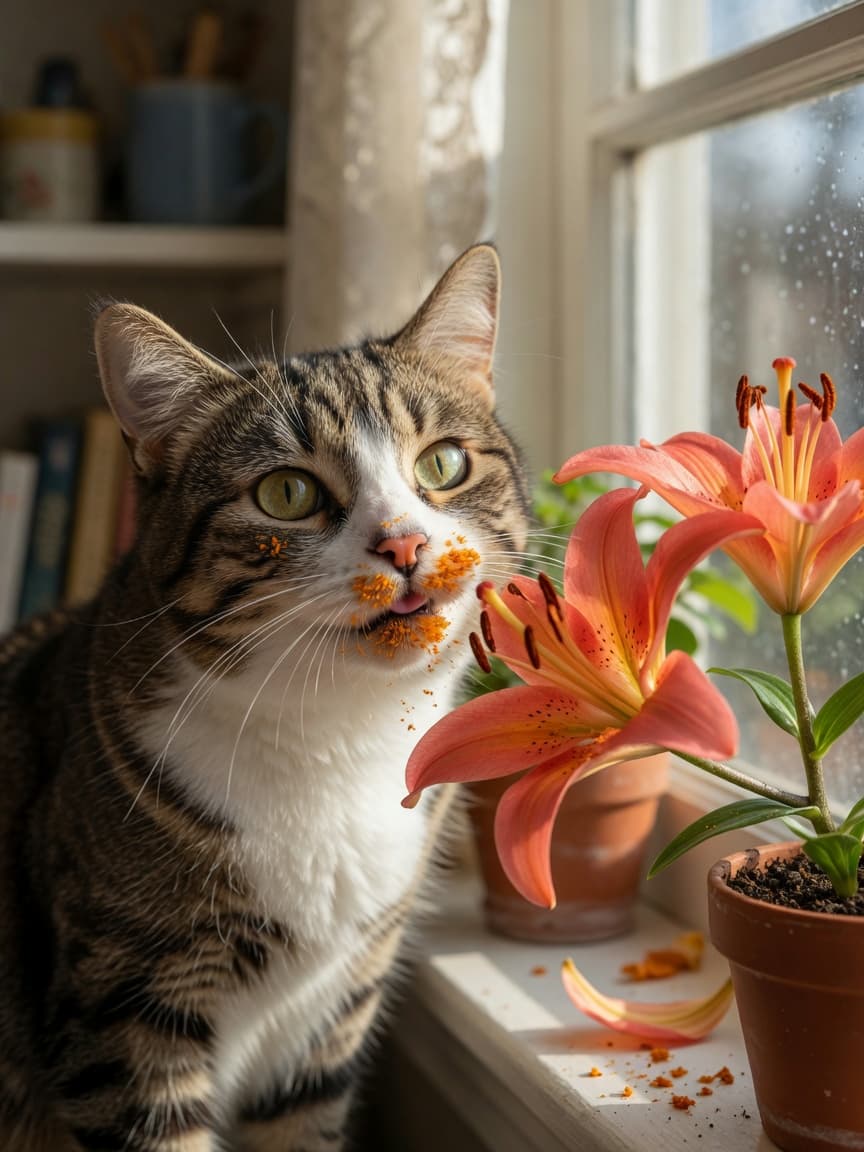
The lilies in question belong to two genera. Lilium species include tiger lilies, Asiatic lilies, Easter lilies, stargazer lilies, and Japanese show lilies. Hemerocallis species are the familiar day lilies seen in parks and gardens throughout Europe. All of these cause acute renal (kidney) failure in cats, and the mechanism is so potent that even a tiny quantity — a few grains of pollen brushed onto a paw and then groomed off, a small sip of water from a vase containing lilies, or a nibble of a single leaf or petal — can be enough to trigger fatal kidney failure.
The specific toxic compound has not yet been identified, but the clinical outcome is well-documented and consistently severe. Without rapid treatment, death occurs within three to seven days. With prompt treatment — ideally within six hours of exposure — there is a chance of survival, but it requires hospitalisation, aggressive intravenous fluid therapy for 48 to 72 hours, and close monitoring of kidney function.
Symptoms of lily poisoning in cats include vomiting, lethargy, and loss of appetite in the first few hours, followed by apparent improvement, then progressive kidney failure with symptoms including decreased urination, swelling, and collapse. Do not be reassured by apparent recovery — the damage is occurring internally.
If you have any reason to believe your cat has had contact with a true lily — even if you only suspect it — contact your vet or an emergency animal hospital immediately. Do not wait for symptoms. Every minute matters.
The practical implication for cat owners is clear: do not bring true lilies into a home where a cat lives. If you receive lilies as a gift, do not display them where your cat can access them. The risk is too great. This applies even if the lilies are placed on a high shelf — cats climb, and pollen can fall.
Peace Lily and Calla Lily — Harmful but Not Fatal
The peace lily (Spathiphyllum) and the calla lily (Zantedeschia) are not true lilies and do not cause kidney failure. However, they do contain calcium oxalate crystals, which cause intense irritation and burning in the mouth, throat, and oesophagus when chewed. Signs include excessive drooling, pawing at the mouth, vomiting, and reluctance to eat. While unpleasant and distressing, these plants are not life-threatening in the way that true lilies are. Veterinary advice is still recommended.
Other Extremely Dangerous Plants
Autumn Crocus (Colchicum autumnale)
The autumn crocus contains colchicine, one of the most toxic alkaloids found in any European plant. It causes severe damage to the gastrointestinal tract, liver, kidneys, and bone marrow, and can result in multi-organ failure and death. The entire plant is dangerous, but the bulbs are particularly toxic. Symptoms include vomiting, diarrhoea, abdominal pain, difficulty breathing, and collapse. This is a veterinary emergency requiring immediate attention.
Oleander (Nerium oleander)
Oleander is an extremely common ornamental shrub in Mediterranean gardens and is increasingly grown as a houseplant in northern Europe. All parts of the plant — leaves, flowers, stems, and roots — contain cardiac glycosides, which interfere with heart function and can cause fatal cardiac arrest. Even small amounts are extremely dangerous. Signs of oleander poisoning include vomiting, diarrhoea, drooling, abnormal heart rhythm, weakness, and collapse. This is an emergency.
Yew (Taxus species)
Yew is one of the most lethal plants in the European landscape. Taxine alkaloids found throughout the plant — excepting the flesh of the red berries — cause rapid cardiac arrest. Symptoms develop very quickly and can include muscle tremors, difficulty breathing, convulsions, and sudden collapse. Survival without immediate treatment is unlikely. Keep cats well away from yew hedges and trees.
Foxglove (Digitalis purpurea)
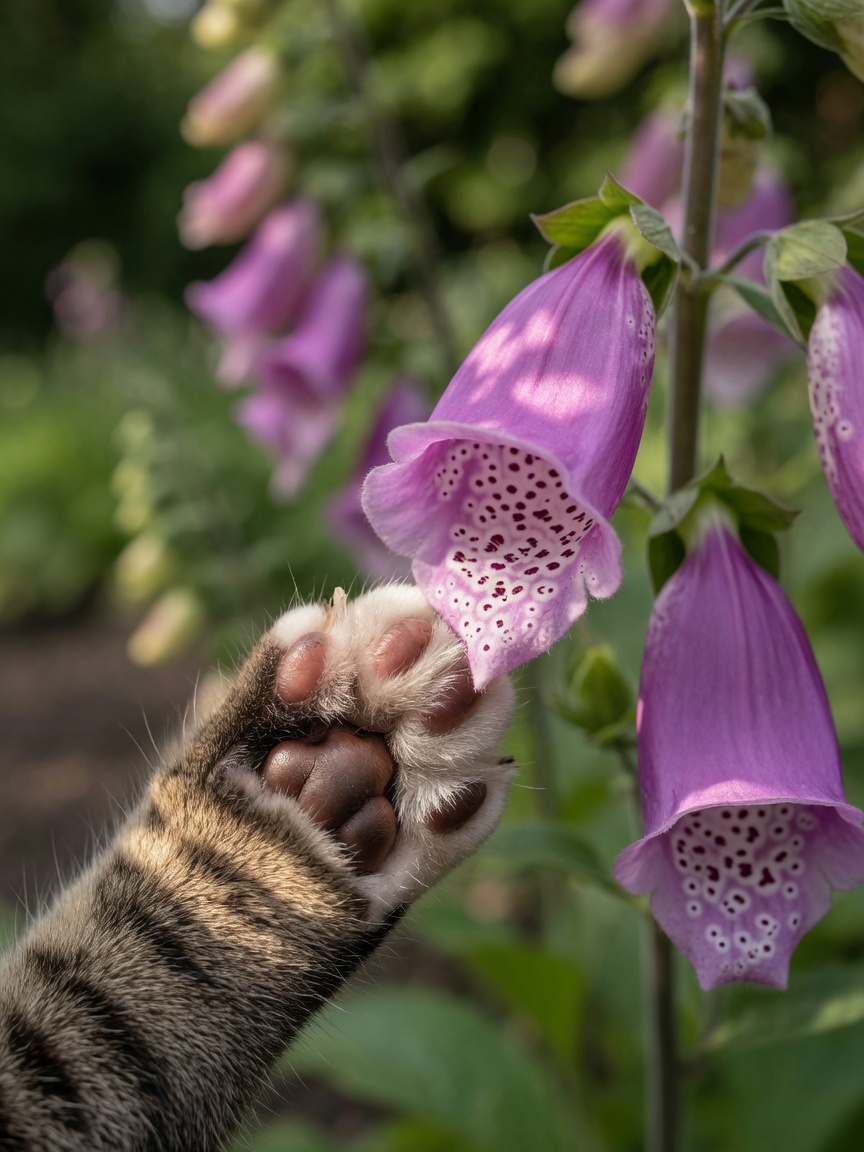
Foxglove contains cardiac glycosides that disrupt the normal electrical activity of the heart. Ingestion causes vomiting, diarrhoea, drooling, bradycardia or tachycardia, weakness, and potentially fatal cardiac arrest. Contact your vet immediately if exposure is suspected.
Serious but Survivable with Prompt Treatment
Cyclamen
Cyclamen is a popular houseplant, particularly in winter. The roots and tubers contain the highest concentrations of saponins, though the leaves and flowers are also harmful. Symptoms include intense vomiting, diarrhoea, drooling, heart rhythm abnormalities, and in severe cases, seizures. Keep cyclamen well out of reach — cats may be attracted to the tubers if the plant is on a low surface.
Rhododendron and Azalea
Grayanotoxins in rhododendrons and azaleas cause vomiting, drooling, weakness, low blood pressure, incoordination, and cardiovascular effects. While rarely fatal with prompt treatment, serious toxicity is possible from moderate ingestion. All parts of the plant are toxic.
Daffodil (Narcissus)
Daffodils contain lycorine, which causes vomiting, diarrhoea, abdominal pain, and lethargy. The bulbs contain the highest concentration of toxin and represent the greatest risk. Cats who dig in garden borders or encounter bulb storage are at particular risk. Most cases resolve with supportive treatment, but veterinary assessment is always advised.
Tulip
Like daffodils, tulip bulbs are more toxic than the leaves and flowers, though all parts can cause gastrointestinal irritation. Signs include vomiting, diarrhoea, drooling, and lethargy. Serious systemic effects are possible with large ingestions of bulbs.
Lower Risk but Best Avoided
Poinsettia (Euphorbia pulcherrima)
Poinsettias are commonly cited as highly toxic but their danger is frequently overstated. The milky sap can cause mild skin irritation and gastrointestinal upset including vomiting and diarrhoea, but serious toxicity is rare. That said, there is no benefit to allowing your cat access to any toxic plant, and poinsettias are best kept out of reach.
What to Do in an Emergency
- If lily exposure is suspected, call your vet immediately — do not wait for symptoms. State clearly that you believe your cat has been in contact with a lily.
- In the UK, contact the Animal Poison Line on 01202 509000 (a fee applies) or the Veterinary Poisons Information Service via your vet out of hours.
- Photograph the plant or bring a cutting to the vet for accurate identification.
- Note the time of exposure and describe what you observed — even if you only suspect contact rather than confirmed ingestion.
- Do not attempt to induce vomiting unless specifically instructed by a veterinary professional.
The safest approach is prevention. Do not bring true lilies, oleander, or autumn crocus into a home with cats under any circumstances. Before purchasing or receiving any cut flowers or houseplants, verify they are safe for cats. A small amount of research before bringing a plant home could save your cat's life.