
Why Puppy Development Stages Matter
Puppies do not arrive as miniature adults. They pass through a series of biologically programmed stages, each one laying the foundation for the next. If you understand what is happening inside your puppy's brain and body at every phase, you can make decisions that genuinely shape the dog they become. Get it right, and you end up with a calm, confident companion. Get it wrong, and fearfulness, reactivity, or aggression can take root before you even notice anything is amiss.
Stage One: Neonatal Period (0 to 2 Weeks)
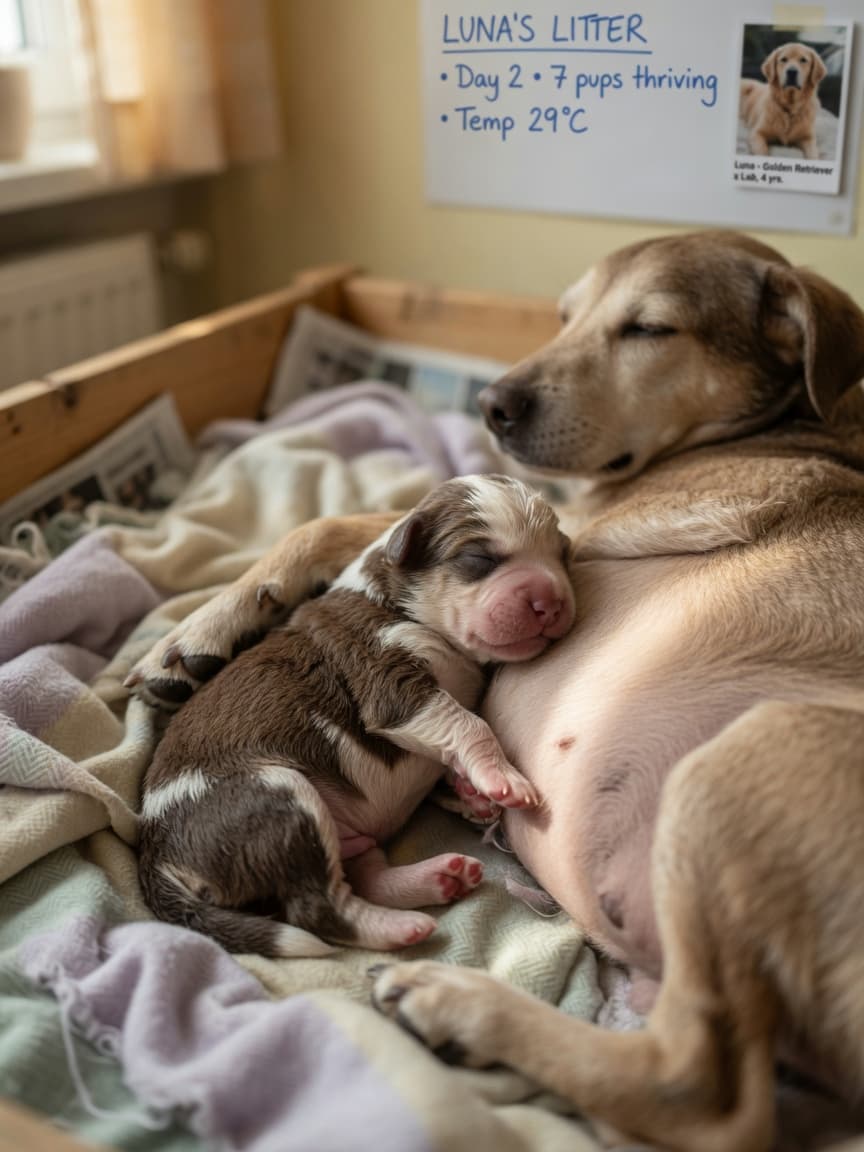
During the first two weeks of life, a puppy is almost entirely helpless. Eyes and ears are sealed shut. The nervous system is immature, and the puppy cannot regulate its own body temperature. It depends completely on its mother for warmth, nutrition, and stimulation to urinate and defecate.
Movement at this stage is limited to a slow, paddling crawl toward warmth and milk. Despite the apparent simplicity of this period, it is not without importance. Gentle handling by humans during these early days, a technique sometimes called early neurological stimulation, has been shown to improve stress tolerance and adaptability in later life. Reputable breeders will handle each puppy briefly every day from day three onward.
Stage Two: Transitional Period (2 to 4 Weeks)
Around day fourteen, the eyes begin to open, though vision remains blurry for several days. By the end of week three, the ear canals open and the puppy hears its world for the first time. Teeth start to emerge, and the puppy takes its first wobbly steps.
This transitional period is brief but significant. The puppy starts to interact with its littermates, vocalises more, and begins to lap water. Weaning can begin toward the end of this stage. The brain is switching on rapidly, and everything the puppy encounters is being processed and catalogued in ways that will influence behaviour for life.
Stage Three: The Socialisation Window (3 to 12 Weeks)
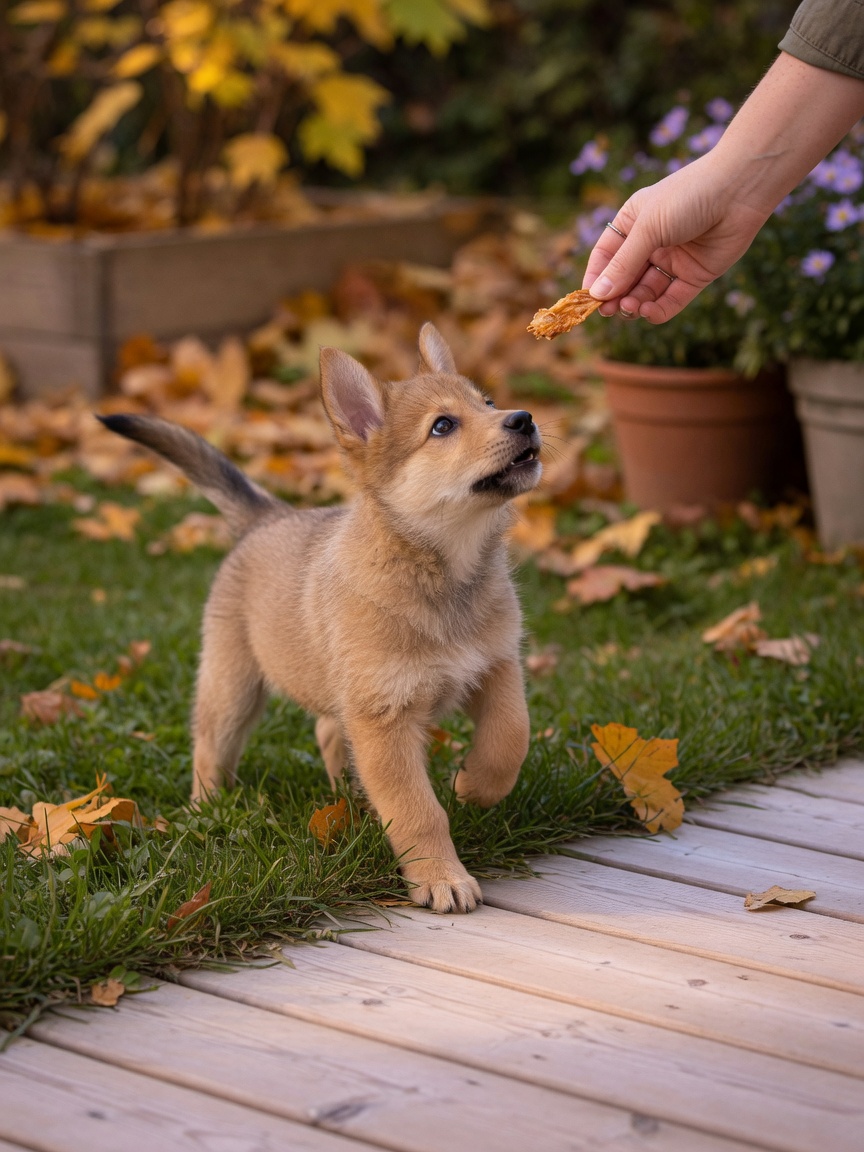
This is the most critical period in canine development, and it deserves more attention than any other. Between roughly three and twelve weeks of age, a puppy's brain is uniquely open to learning what is normal and safe in the world. Positive exposure during this window creates lasting confidence. Absence of exposure, or exposure accompanied by fear, creates lasting wariness.
The socialisation window does not stay open indefinitely. Research suggests it begins to close around twelve weeks, though some sensitivity continues into adolescence. What happens during these weeks has an outsized influence on adult behaviour.
What to Expose Your Puppy To
- A wide variety of people, including children, men with beards, people wearing hats or high-visibility jackets, and individuals using wheelchairs or walking aids
- Different surfaces such as grass, gravel, wooden decking, metal grates, and smooth floors
- Everyday sounds including traffic, vacuum cleaners, door bells, and distant fireworks
- Other vaccinated, well-socialised dogs and cats
- Gentle handling of paws, ears, mouth, and tail to prepare for veterinary examinations
- Car journeys, crates, and being left alone briefly
Exposure must always be positive. Flooding a puppy with overwhelming stimuli does not build confidence; it builds fear. Keep sessions short, use high-value treats, and watch the puppy's body language carefully for signs of stress.
Stage Four: Juvenile Period (3 to 6 Months)
As the socialisation window narrows, puppies enter a juvenile phase characterised by rapid physical growth, increasing independence, and the emergence of fear periods. Fear periods are brief windows, typically lasting one to two weeks, during which a puppy may suddenly become frightened of things it previously accepted without concern.
A first fear period commonly occurs between eight and ten weeks. During this time, a single frightening experience can have a disproportionate effect on future behaviour. Avoid forcing the puppy into situations it finds threatening, and focus on building positive associations rather than pushing through fear responses.
Training during this period is highly productive. Puppies are curious, food-motivated, and eager to learn. Begin basic obedience, introduce a puppy class run by a force-free trainer accredited by the Association of Pet Dog Trainers or the Kennel Club, and continue socialisation in manageable doses.
Stage Five: Adolescence (6 to 18 Months)
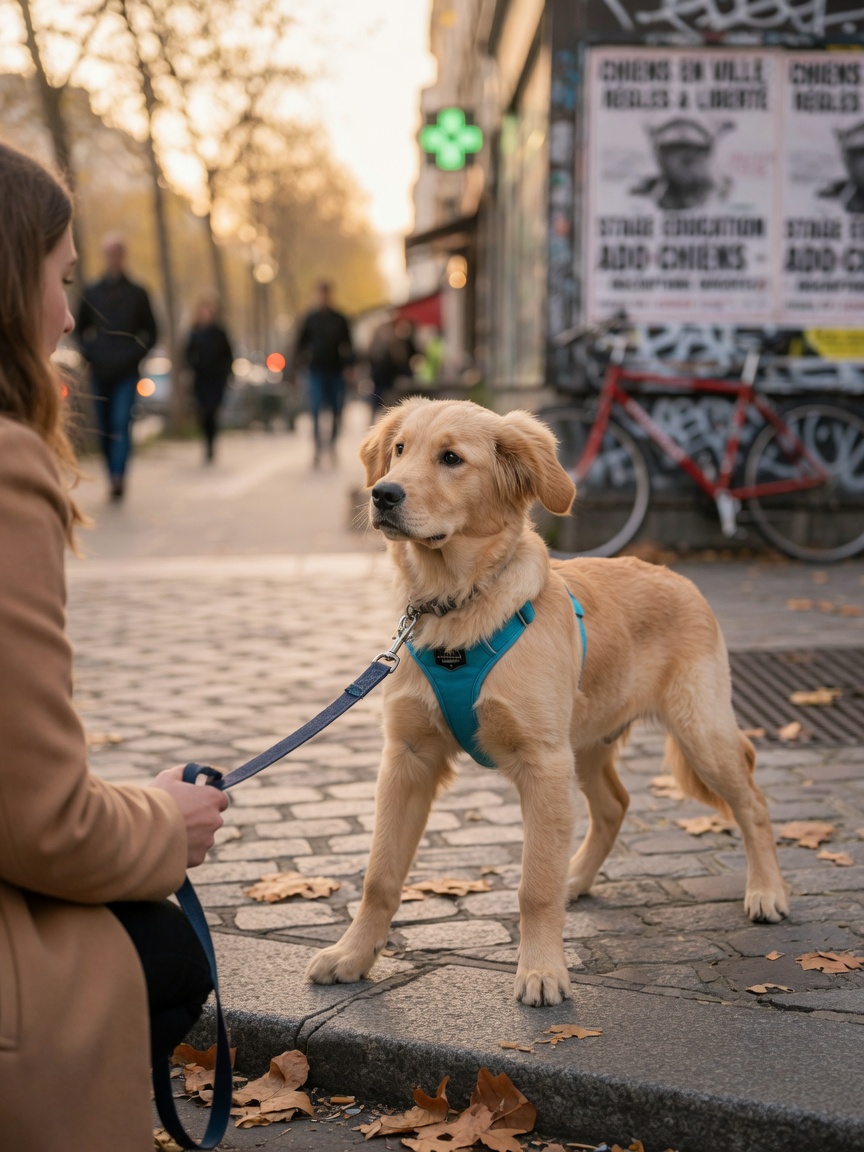
Adolescence is the stage that catches most owners off guard. A puppy that seemed to be progressing beautifully may suddenly become selective about recall, start reacting to dogs it previously ignored, or seem to forget everything it was taught. This is normal, biological, and temporary, though it requires patience and consistency to navigate well.
Hormonal changes drive much of the behaviour shift. Entire males begin producing testosterone, and unspayed females will experience their first season. A second fear period often appears between six and fourteen months. During this window, the puppy may again show wariness toward previously familiar things.
How to Support Your Dog Through Adolescence
- Keep training sessions short and reward generously for correct responses
- Do not take regression personally or punish it harshly
- Maintain structure and routine, which provide security during a confusing time
- Speak to your vet about neutering timing, as the evidence on optimal age continues to evolve
- Continue socialisation and avoid long periods of isolation
Reaching Adulthood
Small breeds tend to reach social maturity around twelve to fourteen months. Larger breeds may not be fully adult in behavioural terms until eighteen months to two years or beyond. Physical size alone does not signal the end of development.
The dog your puppy becomes is shaped by genetics, early experience, and ongoing relationship with you. Understanding each development stage does not guarantee a perfect outcome, but it gives you the knowledge to make better decisions at every turn. That, in the end, is the most useful thing any owner can have.