
Why Rabbit Nutrition Is So Often Misunderstood
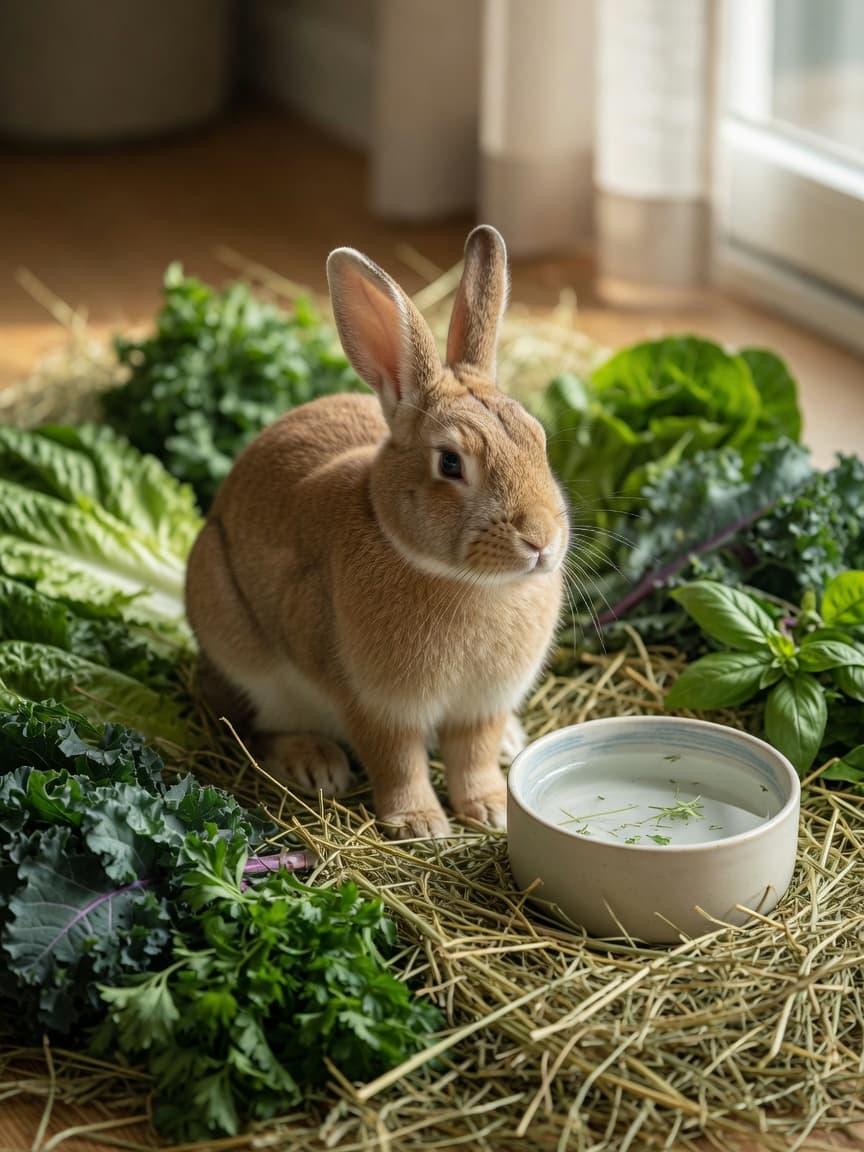
Despite being one of the UK's most popular pets, rabbits are frequently fed diets that fall well short of their nutritional needs. Many owners arrive home with a bag of colourful muesli mix, a bag of pellets, and perhaps a handful of vegetables — without realising that the single most important item in a rabbit's diet is something far more humble: plain grass hay. Understanding how a rabbit's digestive system works is the key to getting feeding right, and getting it right makes an enormous difference to long-term health and quality of life.
The 80/15/5 Rule: The Foundation of a Healthy Rabbit Diet
Veterinary nutritionists and rabbit welfare organisations broadly agree on a simple dietary framework for adult rabbits:
- 80% hay — this should be available at all times, in unlimited quantities
- 15% fresh leafy greens — offered daily in varied rotation
- 5% pellets or less — no more than one tablespoon per kilogram of body weight per day
Fruit, treats, and starchy vegetables should account for only a tiny portion of the diet — think of them as an occasional reward rather than a regular component of meals.
Hay: The Most Important Food Your Rabbit Will Ever Eat
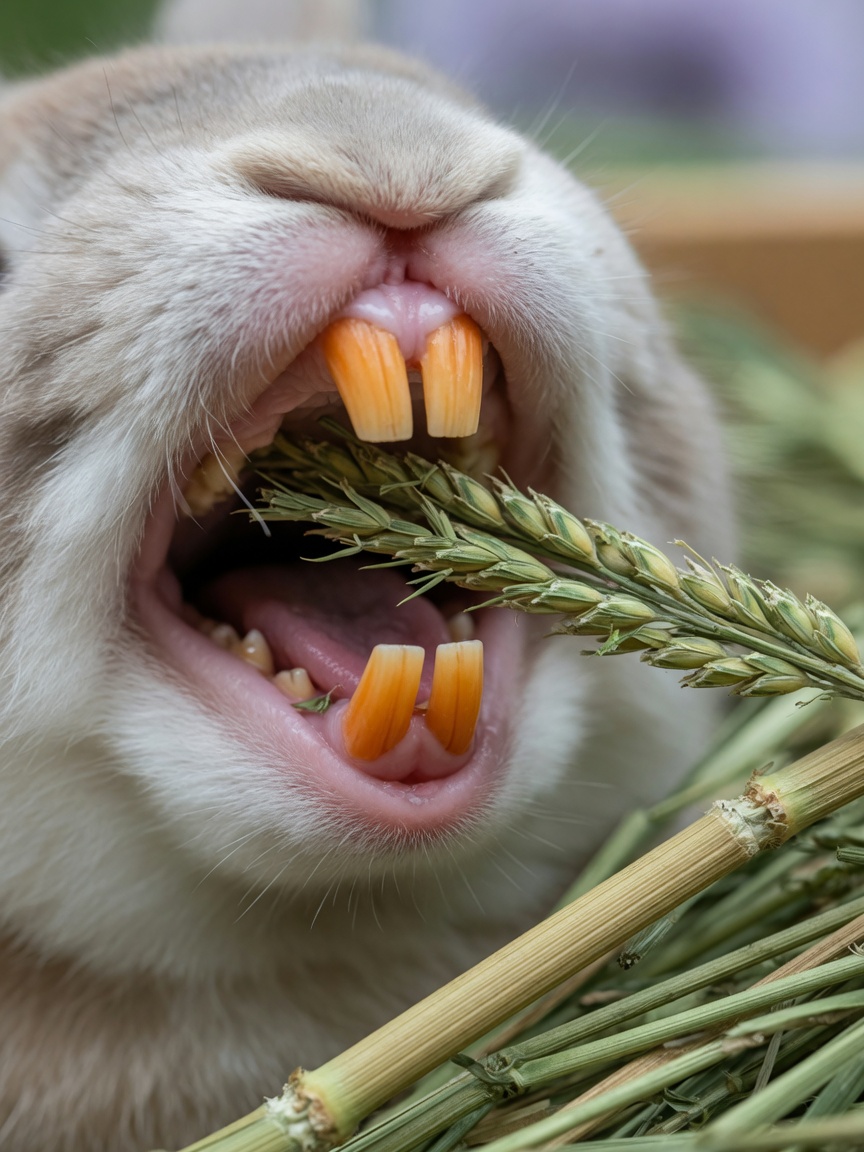
A rabbit's teeth grow continuously throughout its life, and the long fibrous strands in hay are what wear them down in the correct lateral grinding motion. Without adequate hay, teeth overgrow, develop painful spurs, and misalign — leading to Dental Disease: Why 70% of Cats Over 3 Have It">Dental Disease: Signs, Stages & Prevention Guide">dental disease, facial abscesses, and an inability to eat properly. Beyond dental health, hay provides the indigestible fibre that keeps the gut moving. A rabbit's digestive system must remain in constant motion to stay healthy; when it slows, GI stasis — a life-threatening condition — can develop within hours.
For adult rabbits, Timothy hay and meadow hay are the preferred varieties. Both are low in calcium and calories and high in the long-strand fibre that provides maximum dental and digestive benefit. Orchard grass and oat hay are also suitable alternatives. Alfalfa hay, by contrast, is high in calcium and protein and is appropriate only for young rabbits under six months of age or nursing does — it should not be fed to adult rabbits as a staple, as it can contribute to urinary sludge and obesity.
Hay should be fresh, sweet-smelling, and free from dust or mould. It should be stored in a cool, dry place. Zooplus stocks a wide range of Timothy hay, meadow hay, and hay mixes in large quantities, often at significantly better value than pet shop alternatives. The EU does not currently have a formal regulatory standard equivalent to equine forage analysis for small animal hay, but purchasing from reputable suppliers ensures consistent quality and hygiene.
Fresh Leafy Greens: Variety Is Key
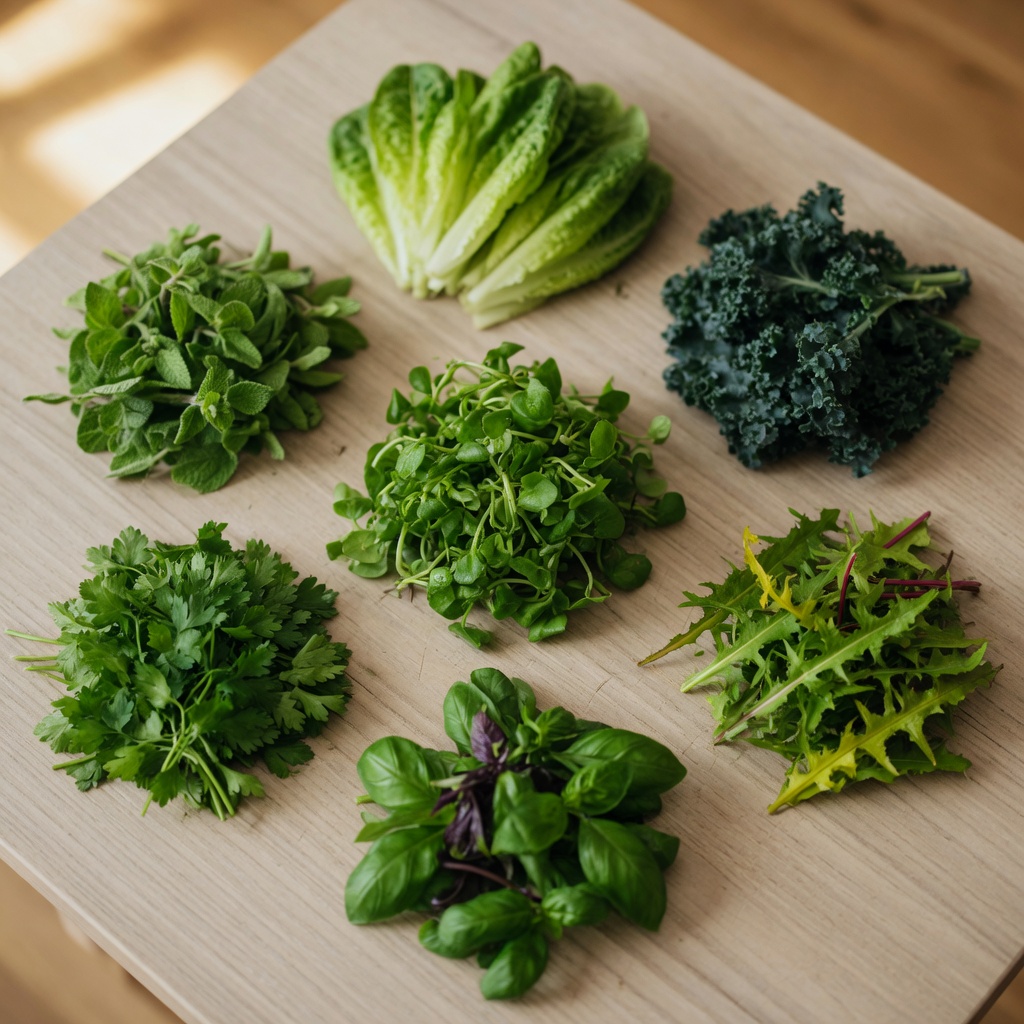
The 15% fresh greens component of the diet is important for hydration, enrichment, and micronutrient variety. A good approach is to rotate through five or six different safe greens across the week, rather than offering the same one every day. This prevents the build-up of any single compound (such as oxalic acid from spinach) to problematic levels.
Safe and recommended leafy greens include:
- Romaine lettuce, green leaf lettuce, and butterhead lettuce (avoid iceberg — it has very low nutritional value and a high water content that can cause digestive upset)
- Kale, spring greens, and cavolo nero — in moderation due to calcium content
- Basil, mint, dill, coriander, and parsley — excellent flavourful additions
- Watercress, rocket, and dandelion leaves
- Broccoli leaves and stems (not the florets in large quantities, which can cause gas)
Foods to avoid entirely include:
- Iceberg lettuce — negligible nutrition and can cause diarrhoea
- Beans and pulses of any kind
- Rhubarb — toxic to rabbits
- Onion, garlic, leeks, and chives — can damage red blood cells
- Avocado — toxic
- Potatoes and raw starchy vegetables
Fruit should be offered only as an occasional treat — a small slice of apple (without seeds), a few blueberries, or a sliver of strawberry once or twice per week is plenty. The natural sugar in fruit contributes to weight gain and gut imbalance when offered too freely.
Pellets: Useful but Limited
Good-quality pellets provide a useful and convenient source of vitamins and minerals, but they should never form the bulk of a rabbit's diet. The correct amount is approximately one tablespoon per kilogram of body weight per day — for a 2 kg rabbit, that is two tablespoons maximum. Feeding more than this crowds out hay consumption, which leads to the dental and digestive problems described above.
Choose a plain, uniform pellet rather than a muesli-style mix. Muesli mixes allow selective feeding — rabbits pick out the sweet, sugary pieces and leave the nutritious pellets behind, resulting in an unbalanced diet. Pellets should be fresh and stored in an airtight container to preserve their vitamin content, as vitamins degrade over time.
Water: Fresh and Always Available
Fresh water must be available at all times. Both a heavy ceramic bowl and a bottle can be used; many rabbits prefer a bowl, as it allows a more natural drinking posture. Check and refresh water at least once daily. During warmer months, rabbits may drink significantly more, particularly if their hay intake is high. A rabbit that stops drinking is showing a serious warning sign and should be seen by a vet promptly.
Common Diet Mistakes and How to Avoid Them
- Feeding too many pellets and not enough hay — the most widespread mistake, leading to dental disease and obesity
- Offering muesli-style food mixes — associated with selective feeding and nutritional imbalance
- Giving fruit too frequently — high sugar content disrupts gut flora
- Introducing new foods too quickly — always introduce new vegetables gradually to avoid digestive upset
- Offering foods from the toxic list (rhubarb, beans, iceberg lettuce, onion) — keep these well away from your rabbit
- Forgetting to replenish hay — the hay rack should never be empty
When to See a Vet
Dietary problems can escalate rapidly in rabbits. Seek veterinary advice if your rabbit:
- Refuses to eat hay or has significantly reduced food intake
- Produces fewer or much smaller droppings than usual
- Has loose, watery, or very soft caecotrophs (the specialised droppings rabbits re-ingest)
- Is losing weight despite appearing to eat
- Shows signs of dental discomfort such as drooling or dropping food
Finding a Specialist Vet
If you suspect your rabbit has a diet-related dental or digestive problem, seek out a vet with exotic animal expertise. The European College of Zoological Medicine (ECZM) trains and certifies specialist exotic vets across Europe, including the UK. The BSAVA Exotic Species Group also supports practitioners with a particular interest in rabbit and small mammal medicine. A specialist will be far better placed to assess dental health, body condition, and gut function than a generalist practice unfamiliar with rabbit physiology.
Building a Good Feeding Routine
The best approach to rabbit feeding is simple: keep the hay rack full at all times, offer a varied handful of fresh leafy greens each morning, and provide a small measured portion of quality pellets once daily. Use Zooplus to source large bales of hay at good value, and rotate your greens selections week by week for variety. With the right diet in place from the start, you dramatically reduce the risk of the most common — and most costly — rabbit health problems.