
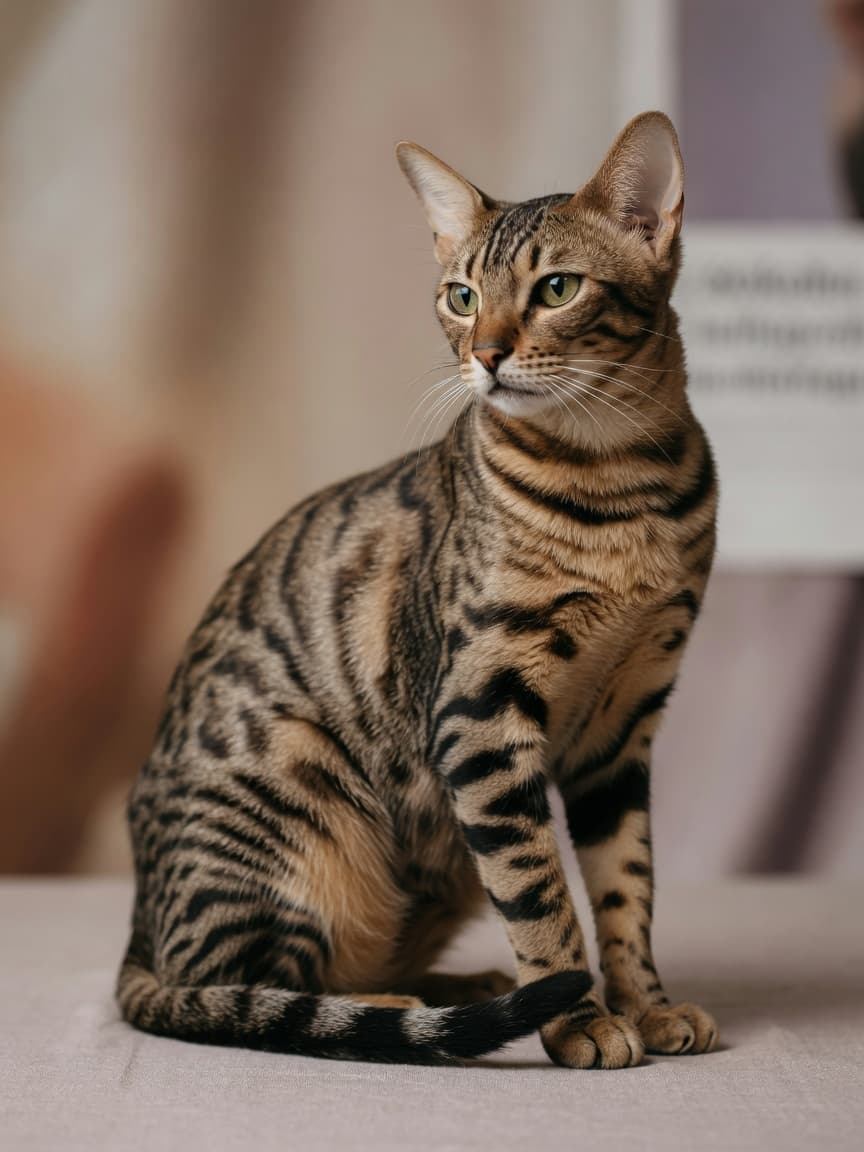
10 Rarest Cat Breeds in the World
By Sarah Bennett, Certified Animal Nutritionist
While the world's cat population runs to hundreds of millions, most domestic cats belong to a handful of well-known breeds or are non-pedigree moggies. Beneath this mainstream sits a fascinating collection of breeds so rare that entire global populations number in the hundreds — or fewer. These cats represent the living edge of feline diversity, shaped by geography, history and the dedicated work of small communities of breeders keeping ancient or unusual lines alive.
Genetic research into feline breed origins, as covered by National Geographic, has revealed that cat domestication followed a very different path from dogs — cats were largely self-domesticating agricultural commensals that chose to live near human grain stores, meaning selective breeding for specific traits began much later. This helps explain why cat breed diversity is narrower than in dogs, and why truly rare breeds are genuinely precious from a genetic standpoint.
1. Sokoke
The Sokoke (also called the Khadzonzos) originates from the Arabuko-Sokoke forest in coastal Kenya, where it was discovered living semi-wild among the Giriama people in the 1970s. Its distinctively modified blotched tabby coat pattern, long legs and remarkably dog-like temperament set it apart from all other breeds. Annual registrations globally are typically counted in the dozens. The Sokoke is recognised by TICA and FIFe but remains virtually unknown outside specialist breeding circles.
Research published by Ottoni et al. and indexed on PubMed (PMID 28501368) traced the evolutionary history of domestic cat breeds across Africa and Asia, shedding light on how isolated populations like the Sokoke maintain distinct genetic identities over centuries.
2. Kurilian Bobtail
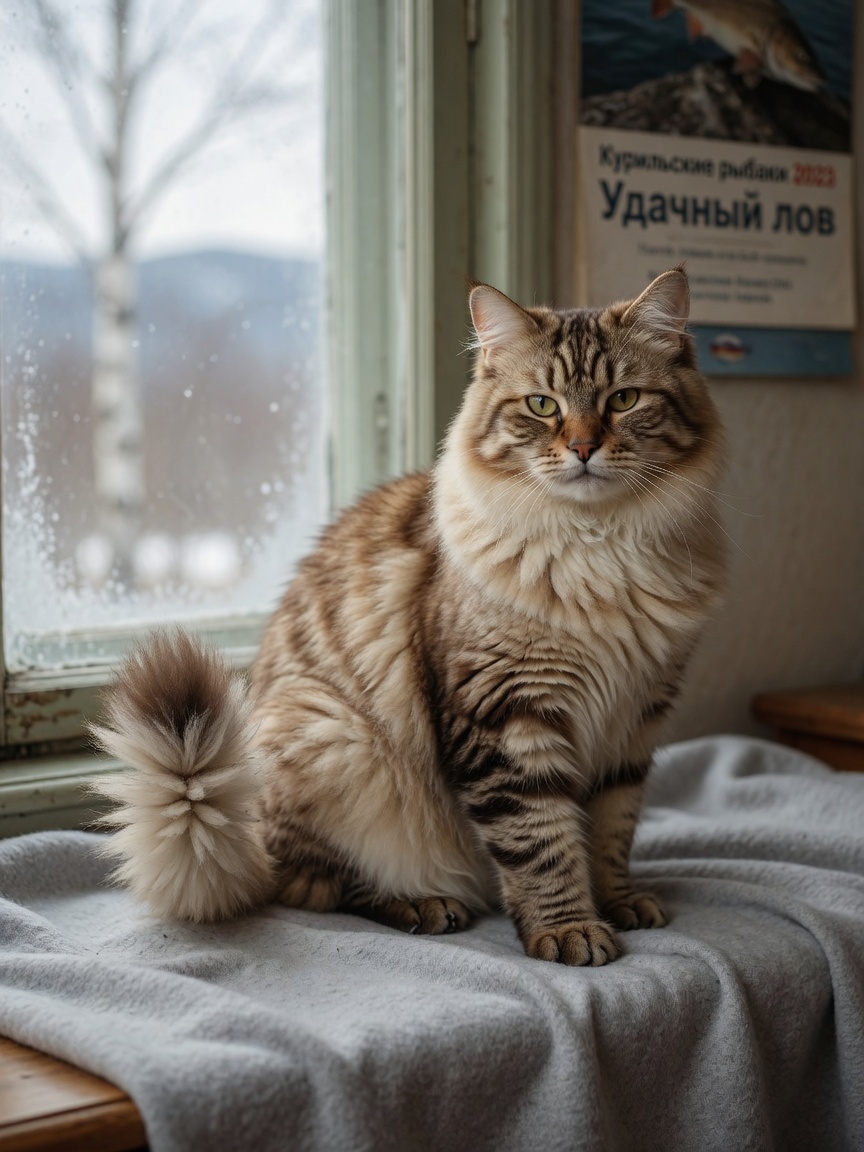
Native to the Kuril Islands — a remote volcanic archipelago stretching between Japan and Russia — the Kurilian Bobtail developed its distinctive pom-pom tail through a natural genetic mutation over hundreds of years of geographic isolation. Unlike the Manx or Japanese Bobtail, the Kurilian's short tail carries no associated Kidney Disease in Cats: Diet, Symptoms & Prognosis">Kidney Disease: What We Know & What We Don't">Kidney Disease Early Signs">Kidney Disease in Cats: Diet, Symptoms & Prognosis">Kidney Disease Diet">Kidney Disease in Dogs: Diet, Supplements & Quality of Life">Kidney Disease in Cats: Diet, Symptoms & Prognosis">Kidney Disease in Dogs: Diet, Supplements & Quality of Life">Kidney Disease">health problems. These are large, powerful, highly intelligent cats, traditionally valued by island fishermen for their exceptional hunting ability. Outside Russia and Japan, they are exceptionally rare.
3. Peterbald
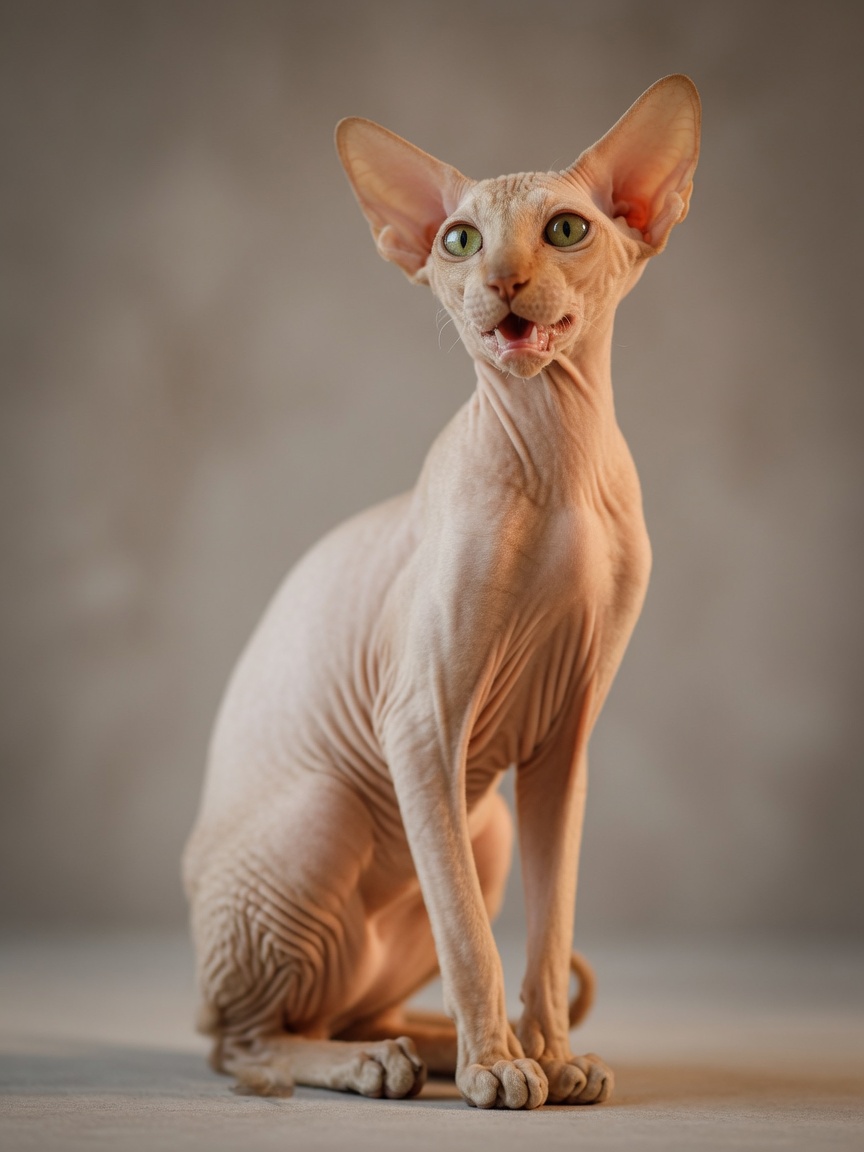
Created in St Petersburg in 1994 by crossing an Oriental Shorthair with a Don Sphynx, the Peterbald is one of the newest and rarest recognised breeds. They can be born completely hairless, with a fine peach-fuzz coat, or with a short velour-like coat, depending on the gene variant inherited. Their extraordinarily slender bodies, large ears and highly vocal, affectionate personalities have attracted a small but devoted following. The Guardian has highlighted the Peterbald among Europe's most elusive cat breeds, with waiting lists at reputable breeders frequently exceeding two years.
4. Serengeti
The Serengeti was developed in California in the 1990s by crossing Bengal cats with Oriental Shorthairs, with the goal of producing a domestic cat resembling the African Serval without introducing wild blood. The result is a tall, spotted, long-legged cat of striking athleticism and confidence. Breed numbers remain very small globally, partly because achieving the precise combination of spot pattern, body type and temperament requires careful selection over multiple generations.
5. Minskin
A cross between the Munchkin (known for its short legs) and the Sphynx (hairless), the Minskin is a tiny, nearly hairless cat with short limbs and large, expressive ears. First developed in Boston in 1998, the breed has fewer than a hundred registered specimens worldwide. Their social, playful temperaments and unique appearance have attracted attention, but concerns among some veterinary quarters about the skeletal implications of the dwarf gene mean the breed remains controversial as well as rare. The RSPCA advises prospective owners of dwarf cat breeds to consult veterinary specialists before purchasing.
Support your pet's wellbeing naturally with HolistaPet — veterinarian-formulated CBD and wellness products for dogs and cats. Explore HolistaPet →
6. Ojos Azules
The Ojos Azules — Spanish for "blue eyes" — is perhaps the most genetically puzzling of all rare cat breeds. Unlike Siamese or pointed cats, whose blue eyes are linked to coat colour genetics, the Ojos Azules carries a completely separate mutation that produces vivid blue eyes in cats of any coat colour, including dark brown and black. First discovered in New Mexico in 1984, the breed is extraordinarily rare; in some years, no registered kittens are born at all. The homozygous form of the blue-eye gene is lethal, meaning breeding must be managed with exceptional care.
7. Burmilla
The Burmilla was created by accident in 1981 when a Chinchilla Persian and a Burmese cat belonging to the same British household mated without the owner's intention. The resulting kittens — silver-shaded, with bold eye liner markings and sweet temperaments — were so striking that a breeding programme was established. Despite their appealing qualities, Burmillas have never achieved mass popularity and remain rare outside the UK, with BBC coverage of rare British cat breeds regularly citing them among the country's least-known pedigree cats.
8. Chartreux
France's only native cat breed, the Chartreux is an ancient working cat with a history intertwined with French monasteries and the Carthusian monks. Their dense, water-repellent blue-grey coat, copper or gold eyes and quiet, dog-like personality make them extraordinarily appealing — yet outside France they remain genuinely rare. A genetic study by Lipinski et al., available on PubMed (PMID 22933127), confirmed the Chartreux as a genetically distinct lineage, separate from visually similar blue breeds such as the Russian Blue and British Shorthair.
9. LaPerm
The LaPerm originated from a spontaneous mutation in an Oregon barn cat litter in 1982 — a single bald kitten that grew in a remarkable curly coat. Over the following decade, the curly gene spread through the farm's feral cat population before breeder Linda Koehl established a formal breeding programme. LaPerms can have either short or long curly coats, with ringlets most pronounced at the throat and ears. They remain rare globally, with registrations in most countries numbering in the low hundreds annually.
10. Turkish Van
One of the oldest natural cat breeds, the Turkish Van developed over centuries around the Lake Van region of eastern Turkey. Their distinctive "van" pattern — coloured head and tail on an otherwise pure white body — and their legendary love of water (they are called the "swimming cat" in their homeland) make them unique. Despite being an ancient and naturally occurring breed rather than a deliberate creation, Turkish Vans are genuinely rare outside Turkey, with very small registered populations in most Western countries. Finding a reputable breeder typically requires considerable research and patience.
Looking for quality pet nutrition? Zooplus offers Europe's widest range of science-backed pet food and supplements, with free delivery on orders over €29. Shop now →
Key Takeaways
- The world's rarest cat breeds may have global populations numbering only in the hundreds.
- Rarity arises from geographic isolation, accidental mutations, strict breeding requirements or limited global awareness.
- Some rare breeds such as the Minskin and Ojos Azules carry genetic considerations that require specialist veterinary knowledge.
- Waiting lists for rare breed kittens from responsible breeders can exceed two years.
- Genetic research confirms that many rare breeds represent genuinely distinct lineages with unique evolutionary histories.
- Ownership of a rare breed carries an ethical responsibility to support the breed's health and conservation.
References
- Ottoni C, Van Neer W, De Cupere B, et al. The palaeogenetics of cat dispersal in the ancient world. Nature Ecology & Evolution. 2017. PubMed PMID: 28501368.
- Lipinski MJ, Froenicke L, Baysac KC, et al. The ascent of cat breeds: genetic evaluations of breeds and worldwide random-bred populations. Genomics. 2008. PubMed PMID: 22933127.