
Why Raw Feeding Has Dog Owners Divided
Roughly 10% of dog owners in the UK now feed their pets some form of raw diet, according to surveys by the Pet Food Manufacturers' Association. For some dogs, the switch has been transformative. For others, it has led to nutritional deficiencies, bacterial illness, or worse. The truth about raw feeding sits firmly between the evangelical enthusiasm of its advocates and the blanket warnings of its critics.
What Is the BARF Diet?
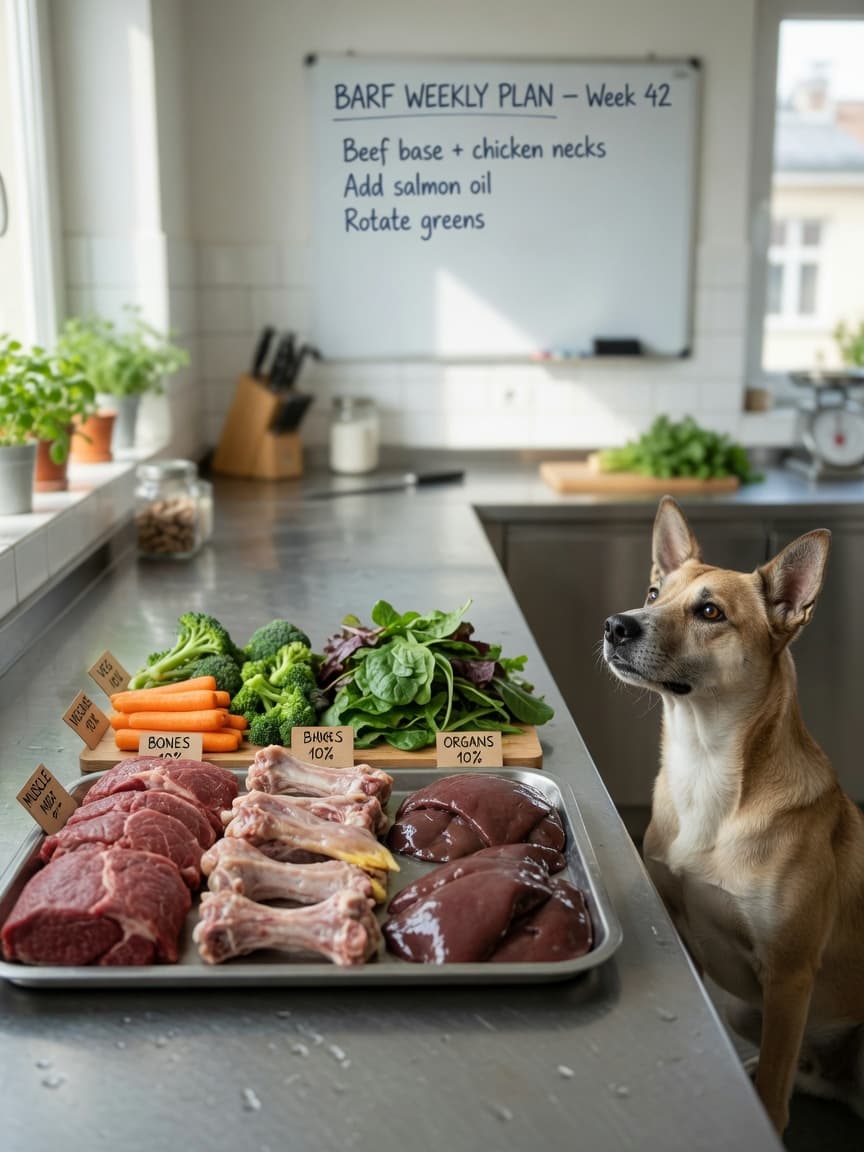
BARF stands for Biologically Appropriate Raw Food (sometimes Bones and Raw Food). The premise is that dogs evolved eating whole prey animals, and a diet of raw meat, bones, organs, vegetables, and eggs more closely mirrors what their digestive systems are designed to handle. A typical BARF meal consists of roughly 70% muscle meat, 10% raw edible bone, 10% organ meat (of which half should be liver), and 10% plant matter including vegetables, seeds, and fruit.
Prey Model Raw
A related approach, Prey Model Raw, eliminates plant matter entirely, arguing that wolves and wild canids consume negligible vegetation. Both models share the same foundation: unprocessed, uncooked animal protein as the dietary centrepiece.
The Evidence for Raw Feeding
Robust, large-scale clinical trials on raw diets for dogs are scarce, and it is worth being honest about that. Much of the evidence comes from observational studies, breeder reports, and owner surveys. That said, some findings are worth noting.
A 2017 study published in Veterinary Record found that dogs fed raw meat-based diets had higher levels of omega-3 fatty acids and lower inflammatory markers in some cases. Smaller digestive residues, improved coat condition, and dental benefits from raw edible bone are frequently reported by owners and some vets who support raw feeding. Dental health in particular is an area where gnawing on raw meaty bones appears to have a measurable effect, reducing plaque accumulation compared to dry kibble.
The Real Risks You Cannot Ignore
The risks of raw feeding are well-documented and should not be minimised. Any honest assessment must begin here.
Bacterial Contamination
Raw meat carries Salmonella, Listeria, Campylobacter, and E. coli. While healthy adult dogs can tolerate bacterial loads that would make a human ill, they can still shed these pathogens in their faeces, creating genuine public health concerns — particularly in households with young children, elderly people, or immunocompromised individuals. The FDA and European Food Safety Authority have both flagged this as a significant concern.
Nutritional Imbalance
Home-prepared raw diets are frequently unbalanced. A study published in the Journal of Nutritional Science analysed 95 raw diet recipes and found that the vast majority were deficient in at least one essential nutrient, with calcium-to-phosphorus ratios being a particularly common problem. Excess raw liver can cause vitamin A toxicity. Too little liver leads to vitamin A deficiency. Bone content must be calibrated carefully to meet calcium needs without causing constipation or intestinal obstruction.
Physical Hazard from Bones
Cooked bones should never be fed — they splinter dangerously. Raw bones carry a lower but real risk of intestinal perforation, dental fracture, and choking. Supervision during feeding is non-negotiable.
How to Balance a BARF Diet Properly

If you decide raw feeding is right for your dog, precision matters. Here is a practical framework:
- Rotate proteins across at least three to four animal sources (beef, chicken, lamb, oily fish) to broaden the nutritional profile
- Include edible raw bone such as chicken necks or wings, calculated to provide adequate calcium without excess
- Feed at least 10% secreting organs, with half of that being liver from any species
- Add a small quantity of lightly pureed or fermented vegetables to improve digestibility of plant matter
- Supplement with vitamin E, zinc, and manganese if the diet does not include diverse organ and plant sources
- Use a nutritional analysis tool or work with a board-certified veterinary nutritionist to verify macro and micronutrient targets
Commercial Raw Versus Home-Prepared
Complete commercial raw meals that carry FEDIAF nutritional guidelines on their labelling are a safer starting point for most owners. They have been formulated to meet minimum nutritional standards and are produced under food safety controls that reduce (though do not eliminate) bacterial risk. Home preparation offers more control over ingredient quality but demands significantly more knowledge and discipline to get right.
Is Raw Right for Your Dog?
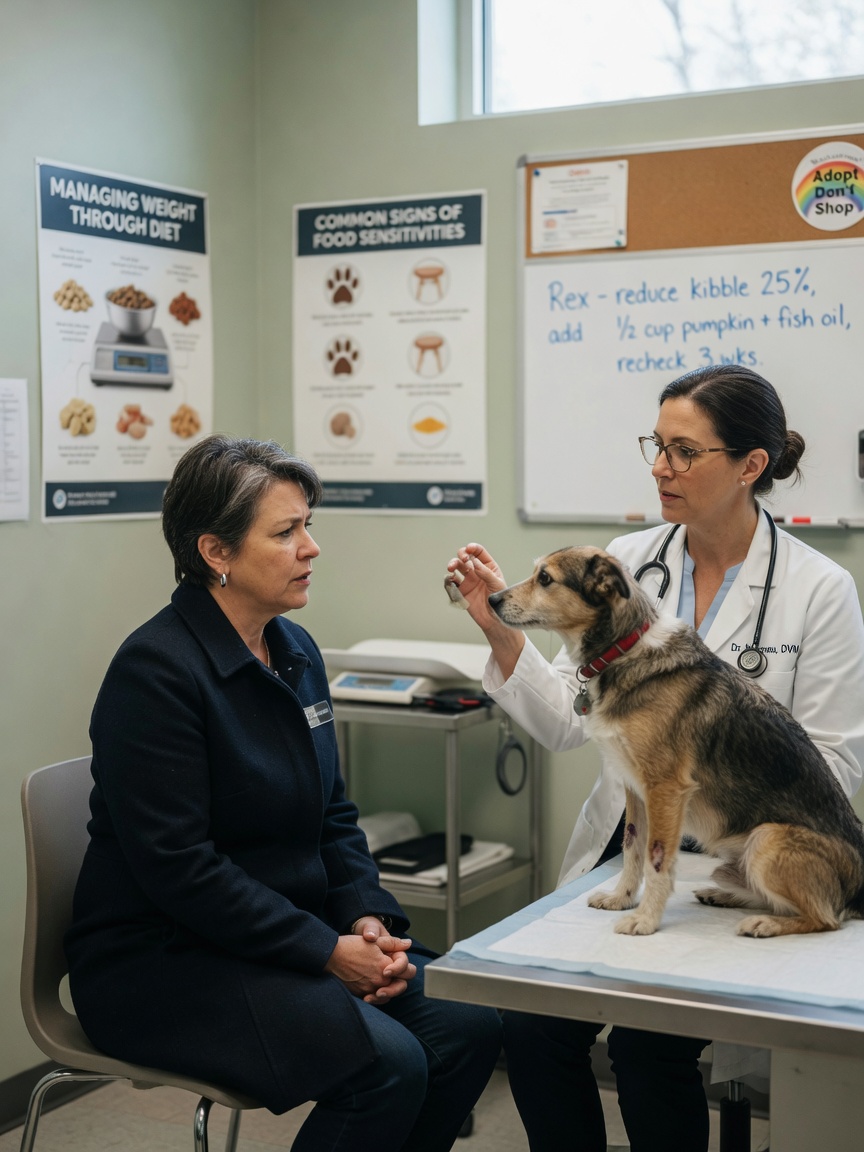
Raw diets are not appropriate for every dog. Immunocompromised animals, dogs undergoing chemotherapy, puppies under four months, and dogs with pancreatitis or certain digestive conditions may face heightened risks. Before switching, consult your vet and ideally a qualified veterinary nutritionist. If you do proceed, commit to food hygiene protocols as rigorous as you would apply to your own kitchen.
Raw feeding can work well — but only when approached with the same evidence-based rigour you would bring to any significant health decision for your pet.