
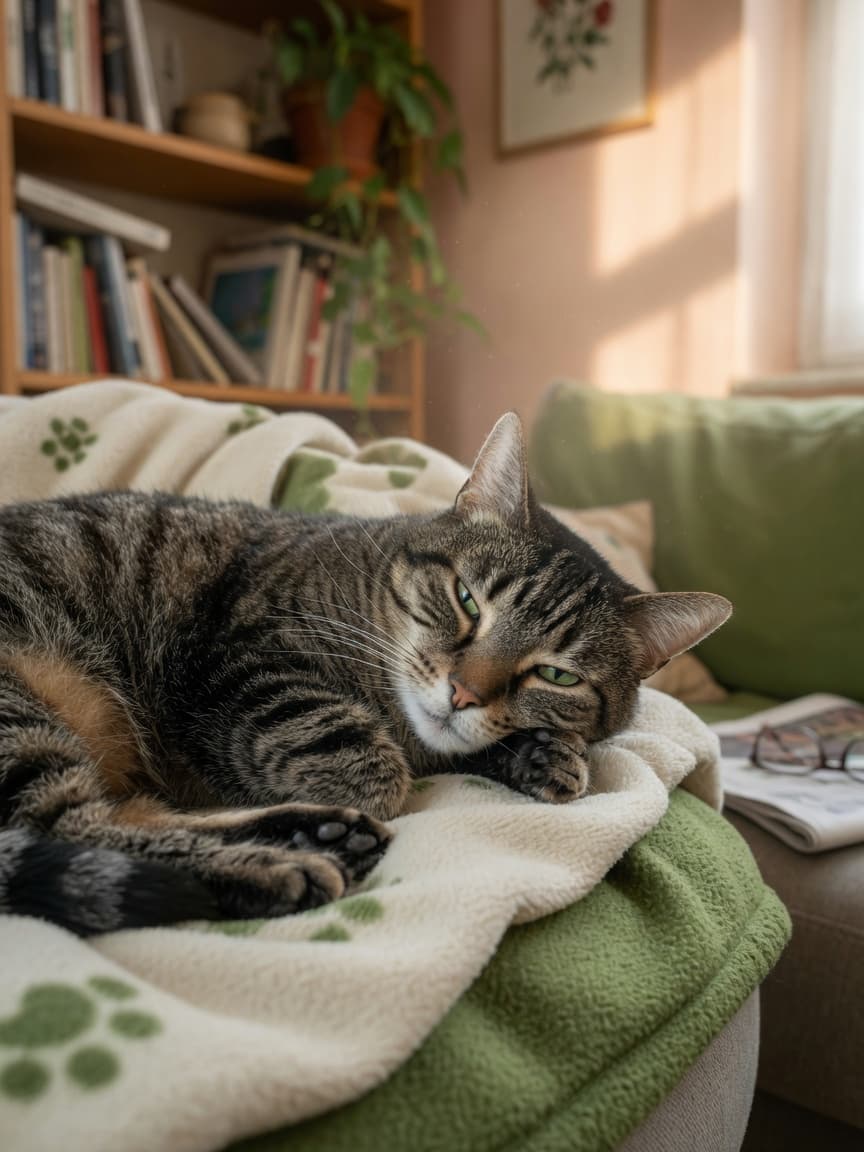
Understanding Your Cat's Life Stages
Cats are living longer lives thanks to improved nutrition, veterinary care, and the safety of indoor or supervised lifestyles. Understanding the different life stages helps you anticipate your cat's changing needs and respond proactively. WSAVA and FECAVA recognise the following broad categories for adult cats:
- Mature: approximately 7 to 10 years — cats are still in good health but beginning to show early age-related changes
- Senior: approximately 11 to 14 years — an increased likelihood of age-related disease; more frequent monitoring is warranted
- Geriatric: 15 years and above — cats in this category deserve very careful, attentive management of their complex and often multiple health conditions
It is important to remember that these are approximate categories — individual cats age differently. A Maine Coon or British Shorthair Cat Obesity">British Shorthair Cat Obesity">British Shorthair Health: HCM, PKD & Weight Management">British Shorthair Health: HCM, PKD & Weight Management">British Shorthair that has been well cared for may remain remarkably vital well into their teens. Regular veterinary assessment is a far better guide to your cat's true health status than age alone.
Common Age-Related Conditions
Chronic Kidney Disease (CKD)
Chronic kidney disease is one of the most common conditions in older cats, affecting a significant proportion of cats over the age of 10. The kidneys gradually lose their ability to filter waste products and concentrate urine. Early signs include increased thirst and urination, weight loss, reduced appetite, and lethargy. Because cats are masters at hiding discomfort, CKD is often diagnosed at a relatively advanced stage unless owners are vigilant and regular blood and urine testing is performed. Early detection through screening allows dietary management and supportive treatment that can meaningfully slow progression and maintain quality of life for years.
Hyperthyroidism
Hyperthyroidism — caused by an overactive thyroid gland — is extremely common in cats over 10 years of age. The condition causes the metabolism to run too fast, resulting in weight loss despite a ravenous appetite, hyperactivity, vomiting, diarrhoea, and a poor coat. Blood pressure elevation is also frequently associated with hyperthyroidism and can itself cause damage to the eyes, kidneys, and heart. The good news is that hyperthyroidism is very treatable through medication, a specialised prescription diet (iodine-restricted), radioactive iodine treatment, or surgery.
Arthritis
Arthritis in cats is vastly underdiagnosed, partly because cats rarely limp as obviously as dogs do. Instead, a cat with arthritis may become less willing to jump to higher surfaces, may use the litter tray less reliably (because it is painful to step in and out), may groom less thoroughly, and may be reluctant to be touched in painful areas. X-rays suggest that the majority of cats over 10 years old have some degree of degenerative joint disease. Recognising and managing arthritis with appropriate pain relief, environmental adaptations, and weight management can make an enormous difference to a senior cat's quality of life.
Hypertension
High blood pressure (hypertension) is common in older cats, often occurring secondary to CKD or hyperthyroidism. It can also develop as a primary condition. Uncontrolled hypertension can cause sudden blindness, seizures, and organ damage. Blood pressure measurement should be part of every senior cat's routine health assessment. Treatment with appropriate antihypertensive medication is usually effective and well tolerated.
Dental Disease
Dental and periodontal disease is almost universal in older cats. Painful mouths often cause cats to eat reluctantly or change their food preferences. Tooth resorption — a specific and painful condition where the tooth structure degrades from within — is particularly prevalent in cats. Signs of dental pain in cats can be subtle: a preference for soft food, reluctance to be touched near the face, drooling, or reduced appetite. Professional dental assessments and, where necessary, dental treatment under anaesthesia are important components of senior cat care.
The Importance of Regular Health Screening
WSAVA recommends that senior cats receive a full health assessment every six months. These visits should include a thorough physical examination, blood pressure measurement, and blood and urine testing to screen for CKD, hyperthyroidism, diabetes, liver disease, and anaemia. Catching these conditions early — often before the cat appears visibly unwell — allows treatment to begin at a stage where it is most effective.
Do not wait for obvious symptoms before booking your senior cat's health check. Many of the most common conditions in older cats develop so gradually that owners do not notice the change until it is significant. Six-monthly screening gives your vet the opportunity to detect subtle shifts in blood values or physical condition that warrant attention.
Environmental Adaptations for Comfort
Senior cats often need modifications to their home environment to remain comfortable and independent. Consider the following:
- Provide ramps or steps to allow access to favourite resting spots without jumping, particularly important for arthritic cats
- Use litter trays with low sides so that a stiff cat can step in and out without discomfort
- Ensure food, water, and litter trays are always on the same floor, avoiding the need for your cat to use stairs unnecessarily
- Provide multiple warm, draught-free resting places — older cats feel the cold more acutely
- Maintain a predictable routine, as cognitive changes can make older cats more anxious when things shift unexpectedly
- Check that your cat can access all resources easily — mobility limitations can make competition with younger cats or dogs in the household more stressful
Nutrition for Senior Cats
The nutritional needs of senior cats are not simply a matter of reducing calories. Older cats often have reduced digestive efficiency and may struggle to maintain muscle mass, meaning that adequate high-quality protein remains important. Some senior cats benefit from a diet with a slightly higher calorie density if they are losing weight despite eating well. Cats with CKD require a specific phosphorus-restricted diet, which should only be introduced under veterinary guidance.
Hydration is a particular concern for older cats. Many senior cats drink very little water, which places additional strain on already-compromised kidneys. Wet food plays an important role in keeping senior cats hydrated, and many vets recommend transitioning to a predominantly wet diet as cats age. Zooplus offers an excellent range of senior cat wet and dry foods from trusted brands, with options designed specifically for the nutritional requirements of mature and senior cats. Look for foods that carry the WSAVA-aligned nutrition statement and are formulated according to FEDIAF guidelines for senior life stages.
A Note on Compassionate Care
Caring for a senior cat is a privilege as well as a responsibility. These animals have shared your life for many years and deserve attentive, compassionate support as they age. The goal is not simply to extend life but to maintain quality of life — ensuring that your cat's later years are comfortable, enriched, and as pain-free as possible. If at any point you have concerns about your cat's quality of life, do not hesitate to have an open and honest conversation with your vet. They are there to guide you, and together you can make the decisions that best serve your cat's wellbeing.