
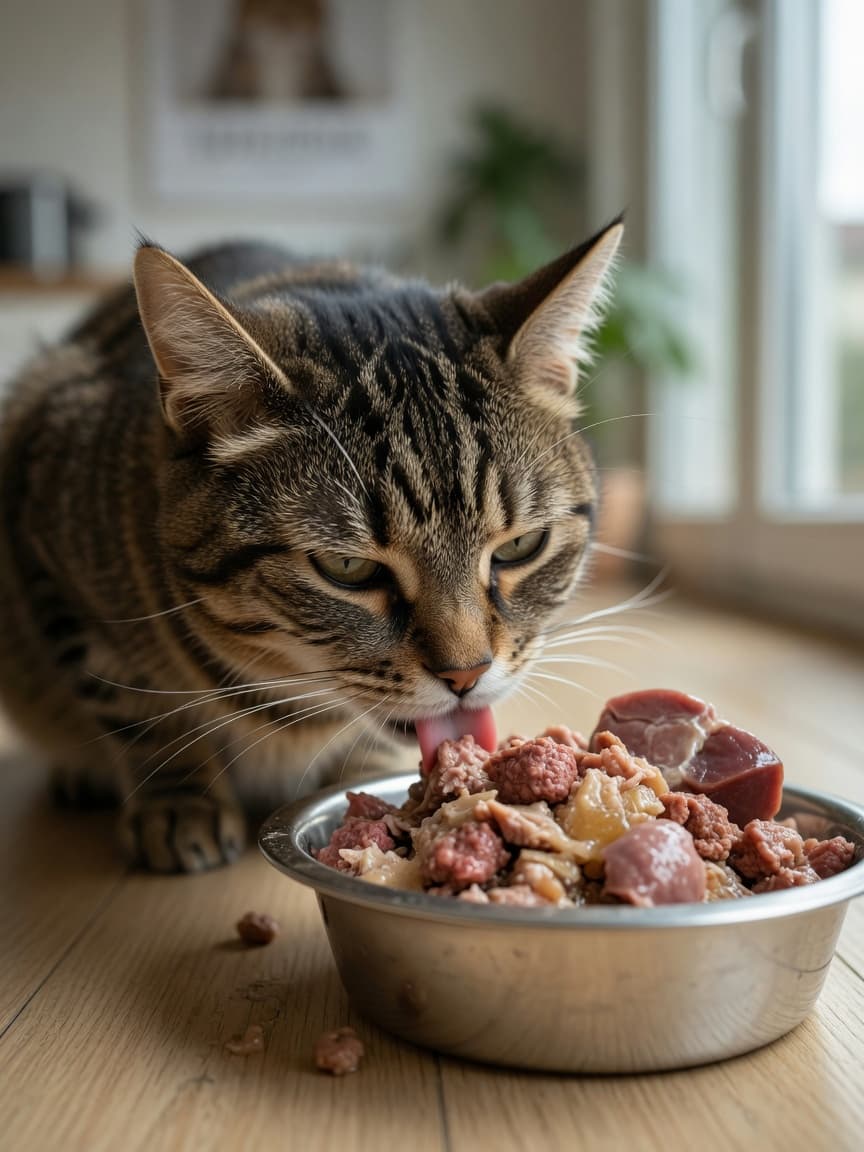
An Amino Acid Unlike Any Other
Most mammals can synthesise taurine from other sulphur-containing amino acids — specifically methionine and cysteine. Cats cannot do this efficiently. Their liver enzymes responsible for taurine synthesis operate at a fraction of the rate seen in dogs or humans, which means dietary taurine is not supplementary for cats — it is essential. Without a consistent, adequate supply from food, cats develop deficiencies that damage organs in ways that are often irreversible by the time they become apparent.
Taurine is classified as a conditionally essential amino acid in most mammals, but for cats it is unconditionally essential. This single biochemical peculiarity has significant implications for what cats can and cannot safely eat, and it has historically been behind some of the worst nutritional disasters in commercial pet food history.
What Taurine Does in the Body
Taurine is not incorporated into proteins in the traditional sense. Instead, it exists as a free amino acid within cells, where it performs a range of critical functions. It is present in high concentrations in the heart muscle, the retina of the eye, the brain, and the reproductive system. Its roles include regulating cell volume, modulating calcium flow within cardiac muscle cells, acting as an antioxidant, supporting bile acid conjugation for fat digestion, and maintaining the structural integrity of the retina.
These are not peripheral functions. When taurine levels drop, the consequences play out across multiple organ systems simultaneously, which makes deficiency a systemic problem rather than an isolated one.
Dilated Cardiomyopathy
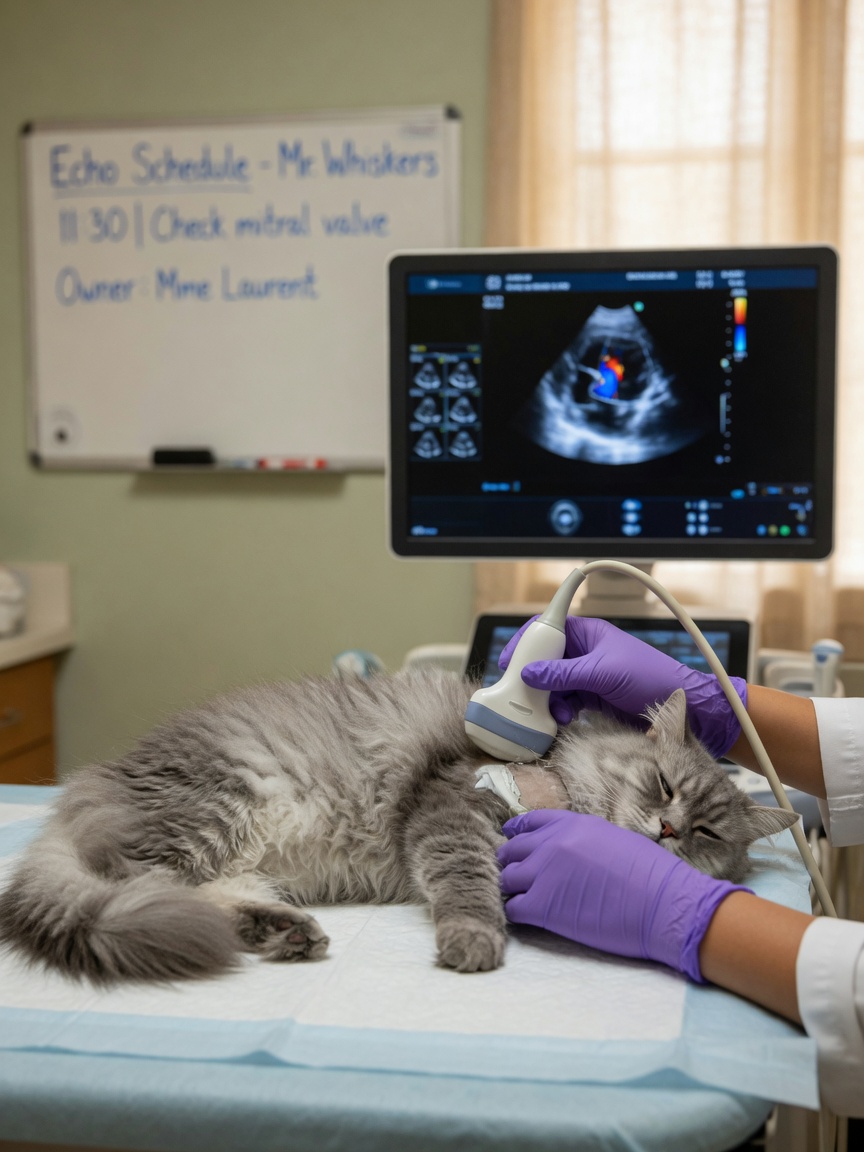
The cardiac effects of taurine deficiency in cats were first documented in the late 1980s, when a wave of DCM — dilated cardiomyopathy — swept through the domestic cat population. Researchers traced the cause to low taurine levels in commercial cat food, which at the time was not routinely supplemented with the amino acid. The heart muscle weakens and enlarges, loses its ability to contract effectively, and eventually fails. Before the link was established and supplementation became standard, DCM was a leading cause of cardiac death in domestic cats.
Following the discovery, the pet food industry began supplementing commercial cat foods with taurine, and the incidence of diet-related DCM dropped dramatically. This remains one of the clearest examples of how a single nutritional discovery transformed feline health outcomes across an entire population.
Central Retinal Degeneration
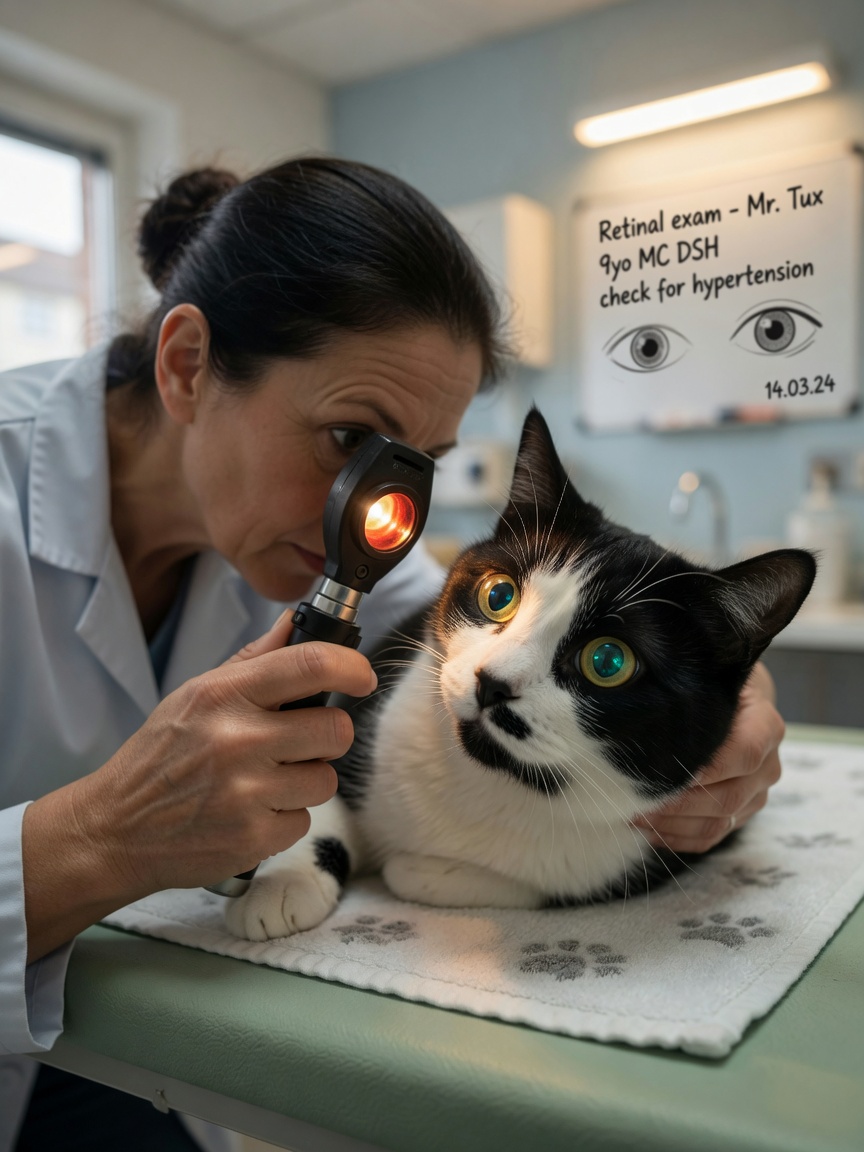
Taurine deficiency also causes feline central retinal degeneration (FCRD), a condition in which the photoreceptor cells in the centre of the retina progressively break down. Taurine is present at very high concentrations in the retina, where it protects photoreceptors from oxidative damage and light-induced stress. When taurine is chronically insufficient, photoreceptor loss occurs in a pattern that begins centrally and spreads outward.
Early stages may produce subtle visual changes that are difficult to detect, as cats compensate well. Advanced deficiency results in partial or complete blindness that is permanent — retinal cells do not regenerate. This is why catching taurine deficiency before clinical signs emerge is so important, and why dietary choice matters even in cats that appear outwardly healthy.
Reproductive and Developmental Effects
Taurine plays a significant role in foetal development. Queens with inadequate taurine intake produce kittens with low birth weight, developmental abnormalities, and impaired immune function. Survival rates among kittens born to taurine-deficient mothers are significantly lower. The amino acid is also present in breast milk and supports neurological development in the early weeks of life, making it important not just during pregnancy but throughout the nursing period.
Which Diets Put Cats at Risk
A properly formulated commercial cat food — whether wet or dry — should contain adequate taurine. The risks arise in specific situations:
- Homemade diets based primarily on muscle meat, which is lower in taurine than organ meat, particularly heart
- Vegan or vegetarian diets, which contain no animal-derived taurine at all
- Diets formulated for dogs rather than cats — dog food contains insufficient taurine for feline needs
- Cooking meat extensively, which degrades taurine content — this is one of the reasons raw or lightly cooked meat retains more taurine than heavily processed food
- Long-term feeding of certain fish-based diets without supplementation, as some fish enzymes degrade taurine
Diagnosing and Treating Deficiency
Taurine levels can be measured in whole blood and plasma. Whole blood taurine is considered a more reliable indicator of long-term status, as plasma levels fluctuate more with recent dietary intake. In cats suspected of taurine deficiency, a veterinary ophthalmological examination and cardiac ultrasound (echocardiogram) are typically recommended to assess the extent of any organ involvement.
Treatment involves dietary correction and taurine supplementation. Cardiac changes associated with taurine deficiency — if caught early — may partially or fully reverse with appropriate supplementation, which is one of the more hopeful aspects of this condition. Retinal damage, unfortunately, does not reverse.
Practical Steps for Cat Owners
- Feed a commercially prepared cat food that meets FEDIAF or AAFCO standards — these require taurine supplementation at levels shown to maintain healthy blood concentrations.
- Never feed a cat a dog food as its primary diet, regardless of cost or convenience.
- If feeding a homemade diet, include taurine-rich ingredients such as raw heart (particularly chicken or beef heart) and have the recipe reviewed by a veterinary nutritionist.
- If your cat is on a home-cooked diet, consider supplemental taurine — discuss dosing with your vet, as appropriate levels depend on the diet's overall composition.
- Schedule annual check-ups that include discussion of diet, particularly if you have made any significant changes to what your cat eats.
Taurine deficiency is almost entirely preventable. Understanding why cats need it — and which dietary situations put them at risk — is one of the most important pieces of nutritional knowledge any cat owner can have.