
The Amino Acid That Can Kill a Cat
In the 1980s, veterinary cardiologists at the University of California, Davis made a discovery that fundamentally changed feline nutrition: a wave of cats presenting with dilated cardiomyopathy and progressive blindness were suffering not from a genetic condition or infectious disease, but from a deficiency of a single nutrient — taurine. Once taurine was added to commercial cat foods as standard practice, the incidence of nutritional DCM in cats dropped dramatically. It remains one of the clearest demonstrations in companion animal medicine of how a dietary gap can be catastrophic.
What Is Taurine and Why Cats Cannot Make It
Taurine is a sulphur-containing amino acid found abundantly in animal tissue. Unlike most mammals, cats lack sufficient quantities of two hepatic enzymes — cysteine sulphinic acid decarboxylase and cysteic acid decarboxylase — needed to synthesise adequate taurine from its precursor amino acids cysteine and methionine. This makes cats what nutritionists call "obligate taurine consumers": they must obtain it directly from dietary animal tissue. There is no plant-based taurine source available to them in meaningful quantities.
Why This Makes Cats Obligate Carnivores
Taurine is one of several reasons that cats are true obligate carnivores, not merely preferential meat-eaters. Their metabolic machinery evolved in the context of a diet composed entirely of prey animals, in which taurine is present in virtually every tissue. Plant-based or heavily cereal-based diets — fed without taurine supplementation — will inevitably lead to deficiency.
What Taurine Does in the Body
Taurine is not incorporated into structural proteins the way most amino acids are. Instead, it functions as a free amino acid performing critical regulatory roles:
- It is essential for the formation of bile salts used in fat digestion
- It plays a central role in cardiac muscle function and electrical conductivity in the heart
- It is a structural component of the retina — specifically the photoreceptor cells — and is required for normal vision
- It supports neurological development, particularly in kittens
- It contributes to immune function and reproductive health
- It acts as an antioxidant and is involved in regulating intracellular calcium levels
The Consequences of Deficiency
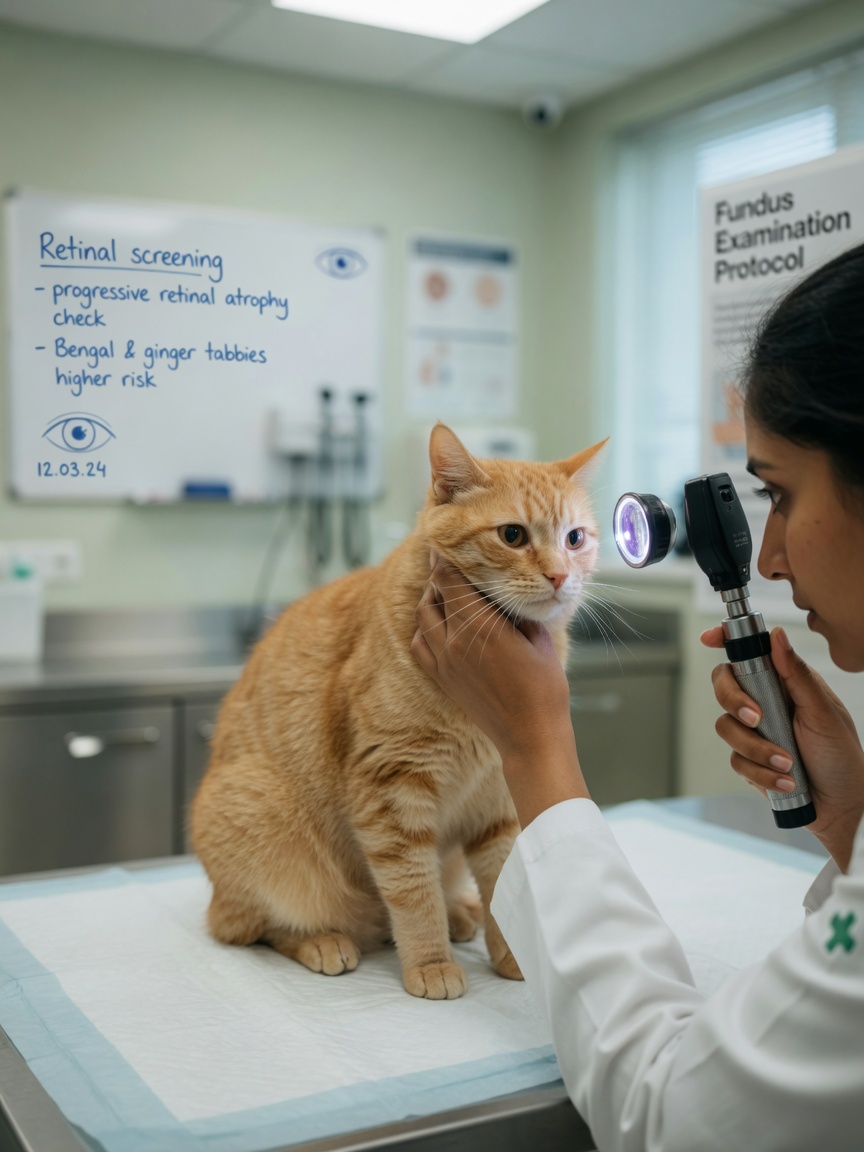
Taurine depletion in cats is progressive because the body maintains reserves in muscle and brain tissue, drawing these down gradually before clinical signs appear. This delay means deficiency can be well-established before owners or vets notice anything wrong.
Feline Central Retinal Degeneration
One of the earliest and most studied consequences is feline central retinal degeneration (FCRD). The photoreceptors of the retina are extraordinarily taurine-dependent, and deficiency causes irreversible deterioration of the central retinal zone, leading initially to impaired vision in low-light conditions and progressing to permanent blindness. Supplementation can halt the progression but cannot reverse damage already done.
Dilated Cardiomyopathy
Taurine deficiency causes DCM in cats, weakening the heart muscle and leading to congestive heart failure. Signs include lethargy, laboured breathing, exercise intolerance, and fluid accumulation. Unlike the retinal damage, cardiac changes associated with taurine deficiency can often be partially or substantially reversed with supplementation and appropriate cardiac management — but only if caught before irreversible remodelling has occurred.
Reproductive Failure and Developmental Deficits
Queens fed taurine-deficient diets show increased rates of foetal resorption, stillbirth, and low birth weight. Kittens born to deficient mothers may display developmental abnormalities of the central nervous system and skeletal defects, as taurine is critical during neurological development in the neonatal period.
Which Cats Are at Risk
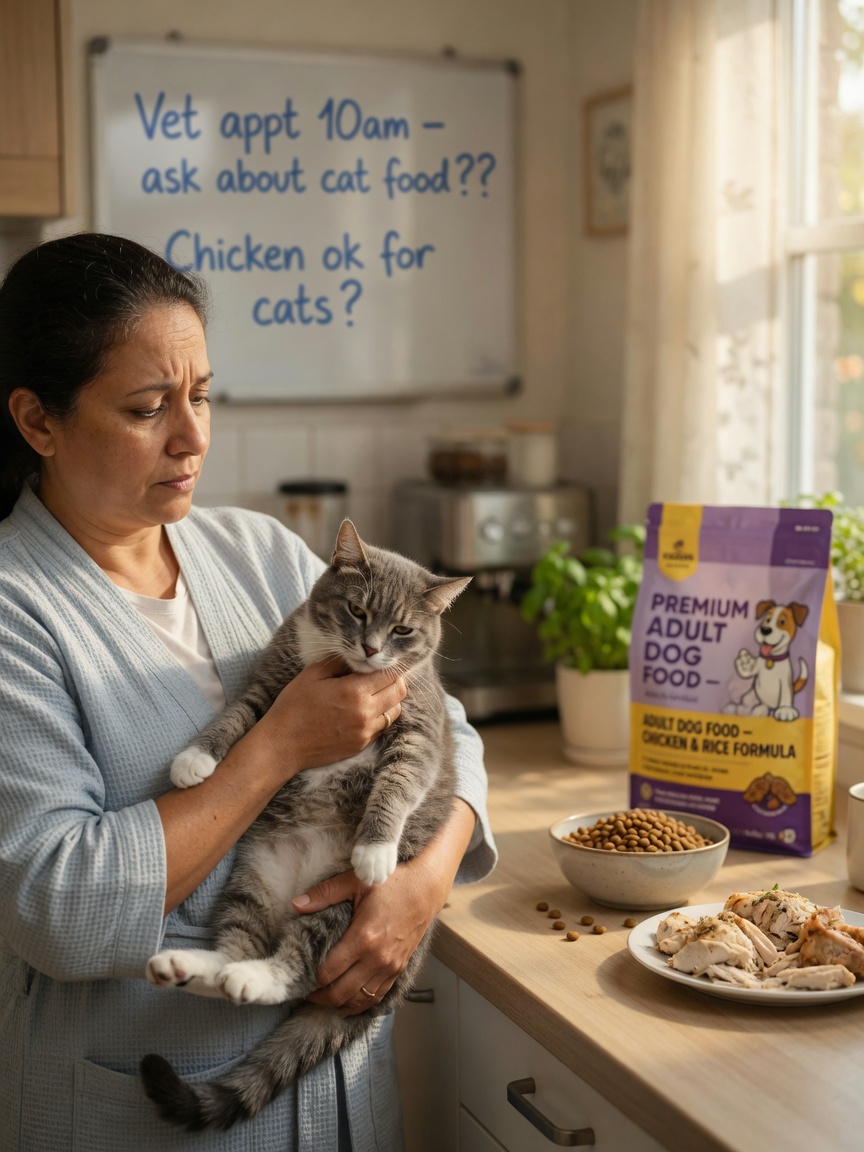
Since commercial wet and dry cat foods sold by reputable manufacturers are required to contain supplemental taurine, deficiency is now uncommon in cats fed complete commercial diets. The risk categories are:
- Cats fed home-prepared diets that have not been formulated with a veterinary nutritionist
- Cats fed cooked meat exclusively — cooking destroys a significant proportion of naturally occurring taurine
- Cats fed dog food, which contains far less taurine than cat food
- Cats fed diets very high in cereal or plant matter with minimal animal protein
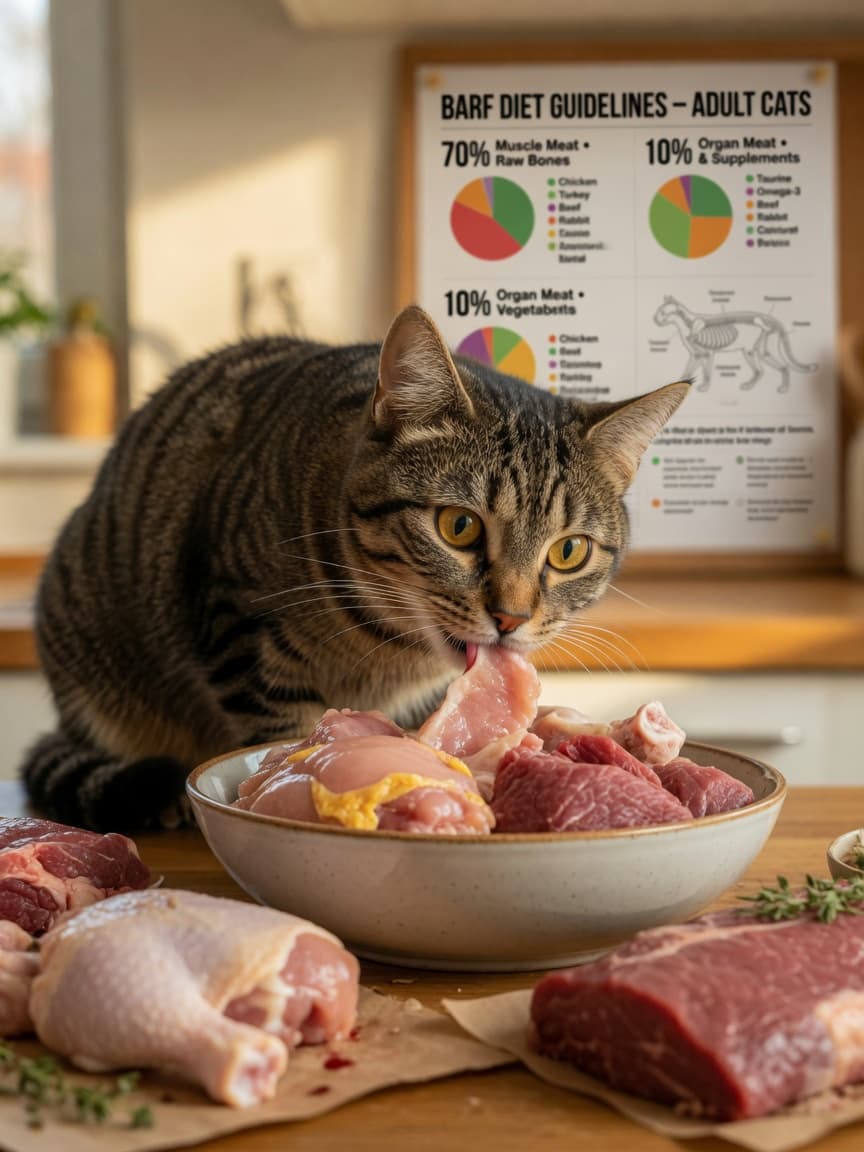
- Cats fed raw diets without nutritional assessment — raw meat contains taurine, but not all home-prepared raw diets achieve consistent adequacy
Ensuring Adequate Taurine Intake
The AAFCO minimum for taurine in cat food is 0.1% on a dry matter basis for dry food and 0.2% for wet food (wet food has higher requirements because taurine is lost during the canning process at higher rates). Quality commercial cat foods exceed these minimums. For cats on home-prepared diets, taurine supplementation is essential, and the level should be determined in consultation with your vet or a veterinary nutritionist.
If your cat is showing signs of vision changes, cardiac symptoms, or general decline, ask your vet about taurine assessment. A plasma taurine level below 40 nmol/ml is considered deficient. Whole blood taurine levels are a more accurate reflection of long-term stores. Early intervention can be the difference between recovery and permanent damage.