
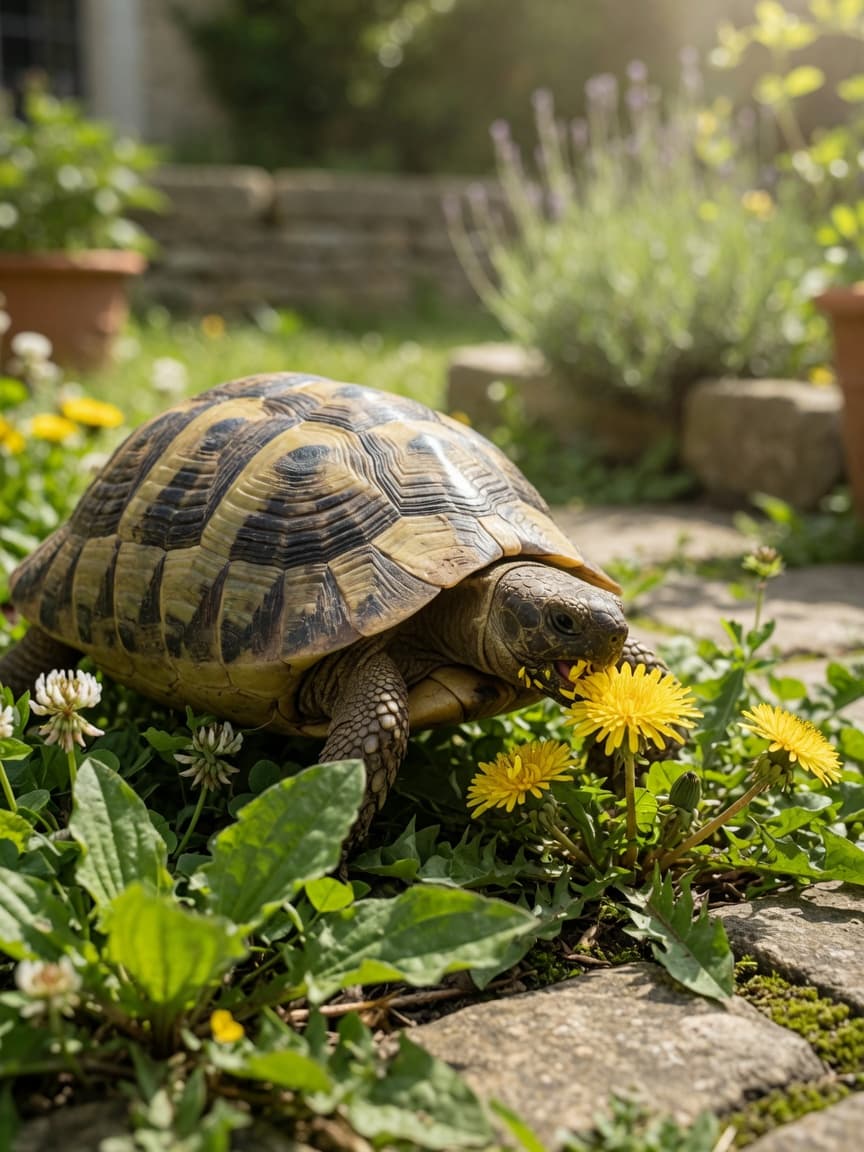
Understanding the Natural Diet of European Tortoises
The three most commonly kept tortoise species in the UK — Hermann's tortoise (Testudo hermanni), the Spur-thighed tortoise (Testudo graeca), and the Horsfield's or Russian tortoise (Agrionemys horsfieldii) — are all herbivores that evolved in arid, nutrient-poor environments. Their natural diet consists almost entirely of tough, fibrous wild plants, weeds, and grasses with very low sugar and protein content. Replicating this as closely as possible in captivity is the foundation of good tortoise health.
The most critical principles are high fibre, low protein, and low sugar. A diet that strays significantly from these principles leads to serious long-term health problems, including shell deformities such as pyramiding, kidney disease, and obesity. Many well-meaning owners inadvertently feed an inappropriate diet by offering supermarket vegetables and fruit intended for human consumption.
The Best Foods: Wild Weeds and Plants
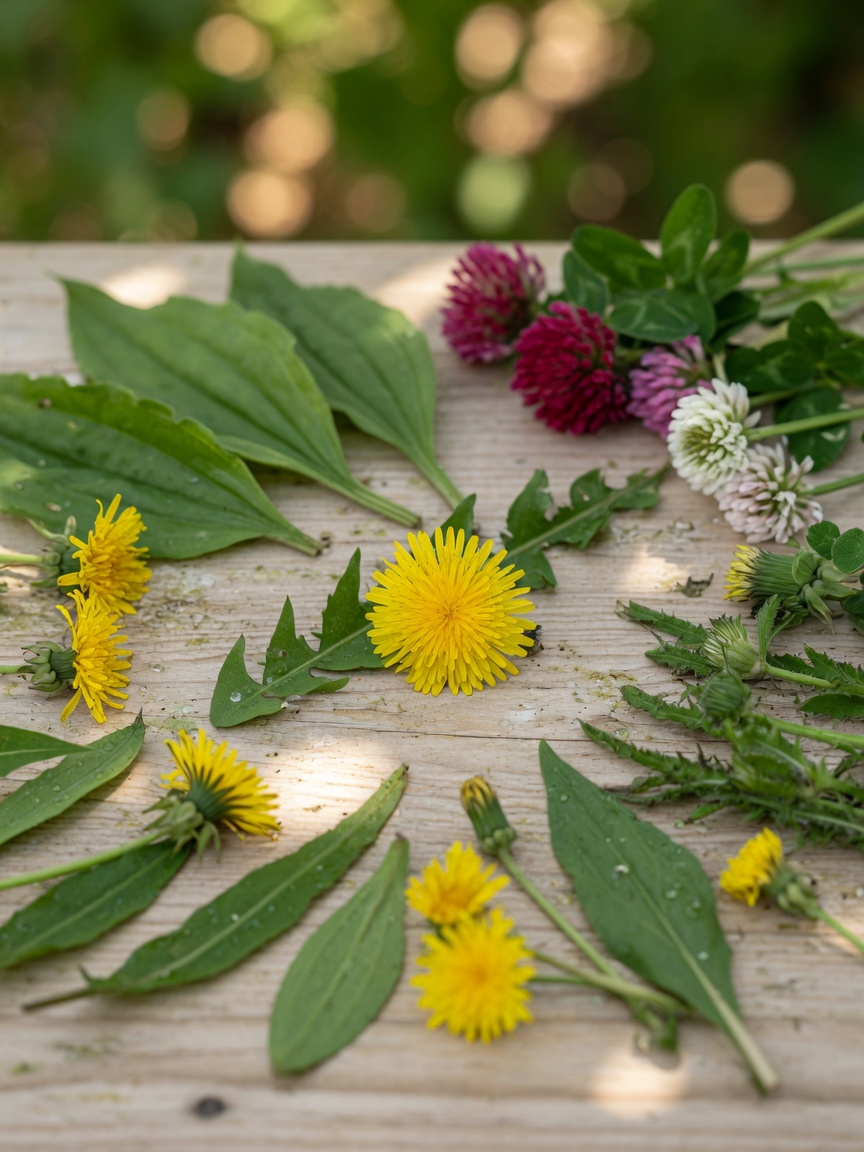
Wild weeds are the gold standard of tortoise nutrition and many can be found in your garden or collected from pesticide-free areas. Dandelion is one of the finest foods you can offer — both the leaves and flowers are highly nutritious, calcium-rich, and are enjoyed by virtually all Mediterranean tortoise species. Plantain (Plantago major and Plantago lanceolata) is another excellent choice, widely available and very similar to the plants these tortoises eat in the wild.
Clover, both red and white, is a popular and nutritious option when fed as part of a varied diet. Sow thistle provides good nutrition and most tortoises eat it enthusiastically. Hawkbit, cat's ear, and chicory are all suitable and worth encouraging in a tortoise-friendly garden patch. Mallow leaves and flowers are also well regarded. The variety of wild plants available through the spring and summer months makes this the ideal time to provide the most naturalistic diet possible.
Safe Garden Plants
Beyond wild weeds, several cultivated garden plants are suitable for tortoises. Hibiscus flowers and leaves are nutritious and enjoyed by most species. Nasturtium flowers and leaves are safe and colourful additions to the diet. Pansies, violas, and pot marigolds (Calendula) are all fine to offer. Lavatera and rose petals are also acceptable treats from the garden.
When collecting plants from your garden or any outdoor area, always ensure they have not been treated with pesticides, herbicides, or fertilisers. Even a small amount of these chemicals can be harmful to a tortoise. Avoid collecting plants from roadside verges, which may be contaminated with vehicle pollution and road salt.
Toxic Plants to Avoid
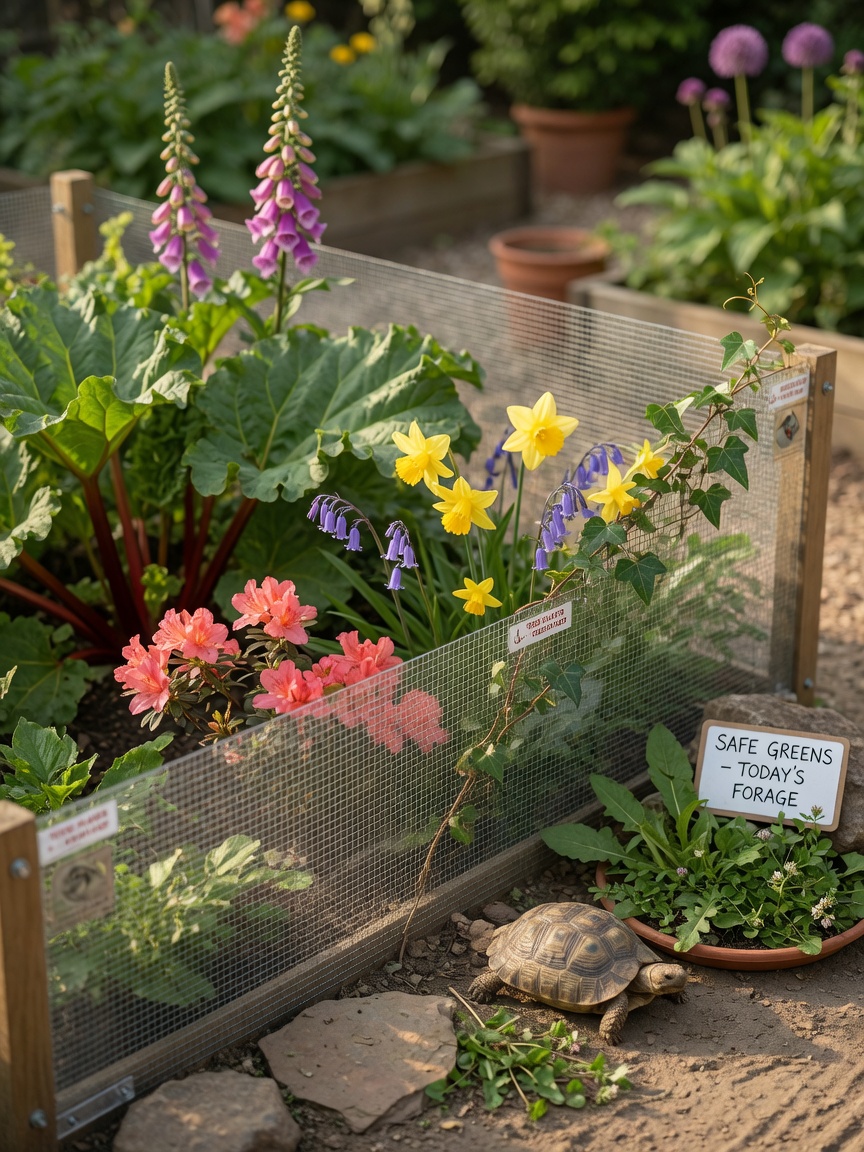
Many common garden and household plants are toxic to tortoises and must be kept out of their enclosure entirely. Rhubarb contains oxalic acid at levels that are dangerous to tortoises. Foxglove, daffodil, bluebells, and all bulb-producing plants are toxic. The entire Solanaceae family — which includes tomato plants, potato plants, peppers, and aubergine — must be avoided. Buttercup, euphorbia, ivy, and azalea are also poisonous. If you are ever uncertain about a plant, do not offer it until you have verified its safety with a reliable reptile reference source or a vet.
Commercial Tortoise Food: Pros and Cons
There are a number of commercially produced tortoise foods available in pellet and dried flower form. These can be a useful supplement, particularly during winter months when fresh weeds are unavailable, but they should not form the basis of the diet. Many pellet foods have an incorrect nutritional profile and can be high in protein relative to what a Mediterranean tortoise needs. Dried flowers such as dried hibiscus and rose petals are a better commercial option and can be sprinkled over fresh food to add variety.
If using commercial pellets, soak them in water before serving so they are easier to eat and contribute to your tortoise's hydration. Offer them alongside fresh plants rather than as a replacement, and do not rely on any single commercial product as a complete diet.
Fruit: Occasional Treat Only
Fruit is naturally very low in fibre and high in sugar, and Mediterranean tortoise species should receive it only as an infrequent treat, if at all. A small piece of strawberry or a thin slice of apple once every couple of weeks is the maximum that most experts recommend for Hermann's or Spur-thighed tortoises. The high sugar content of fruit disrupts the gut microbiome and can lead to digestive problems and over time contributes to kidney stress.
For Horsfield's tortoises, fruit should be avoided almost entirely. Their natural habitat in the semi-arid steppes of Central Asia contains virtually no fruit, and their digestive systems are not adapted to process it. If you do offer a small amount of fruit to a Hermann's or Spur-thighed tortoise, remove any uneaten pieces quickly as fermenting fruit in the enclosure attracts flies and can cause digestive issues if the tortoise returns to eat it later.
Protein: Keep It to Zero
Mediterranean tortoises should receive no animal protein whatsoever. Despite popular myths, tortoises do not eat insects, cat food, dog food, or any meat products. Providing animal protein causes the kidneys to work far harder than they are designed to, leads to accelerated and abnormal shell growth known as pyramiding, and contributes to gout and renal failure over time. Even plant-based foods that are high in protein, such as legumes and pulses, should be avoided for this reason.
Calcium Supplementation
Calcium is essential for shell and bone health. If your tortoise has access to a good UVB source (a 12% T5 UVB bulb is recommended), you should use calcium powder without added vitamin D3, as the tortoise will synthesise D3 naturally from the UVB light. Dust food lightly with calcium powder two to three times per week. A piece of cuttlefish bone placed in the enclosure allows the tortoise to self-regulate its calcium intake and is a simple and effective supplement.
Hydration
Many tortoise owners underestimate the importance of hydration. Tortoises absorb a significant amount of water through bathing as well as through the food they eat. Offer your tortoise a warm, shallow bath for fifteen to twenty minutes two to three times per week. Some tortoises will drink during bathing and many will defecate in the water. Fresh water should also be available in a shallow dish within the enclosure at all times, though not all tortoises will drink from a bowl readily.
Foods to Avoid
Spinach contains oxalic acid, which binds to calcium in the gut and prevents its absorption — making it actively harmful to tortoise bone and shell health. Kale and other brassicas contain goitrogenic compounds that interfere with thyroid function when fed regularly. Iceberg lettuce has almost no nutritional value and can cause watery stools. Avocado is toxic to many animals including tortoises. Any food that is high in sugar, protein, or salt is best avoided entirely. When building your tortoise's diet, it is more helpful to have a reliable list of what is safe than to experiment freely — when in doubt, leave it out.