

Every Owner Asks the Same Question: When, What and How Often?
Vaccination schedules confuse owners because there is no single universal timetable. The answer depends on species, age, lifestyle, geographic location and the specific products used. What exists instead is a framework built on two key concepts — core vaccines and non-core vaccines — that guides vets in constructing an appropriate schedule for each individual animal. Understanding these concepts helps owners have more informed conversations with their vet and make better decisions for their pet.
Core vs Non-Core: What the Terms Mean
Core vaccines are those recommended for all animals of a given species, regardless of lifestyle, because the diseases they prevent are severe, have high mortality, are widespread, or pose a public health risk. Non-core vaccines are those given selectively, based on an individual animal's risk of exposure — dictated by where they live, how they live and who they encounter.
This classification is not a judgment about which vaccines are more important in absolute terms. A non-core vaccine for a high-risk animal is just as important as a core vaccine for any animal. The distinction reflects population-level epidemiology, not individual relevance.
Core Vaccines for Dogs
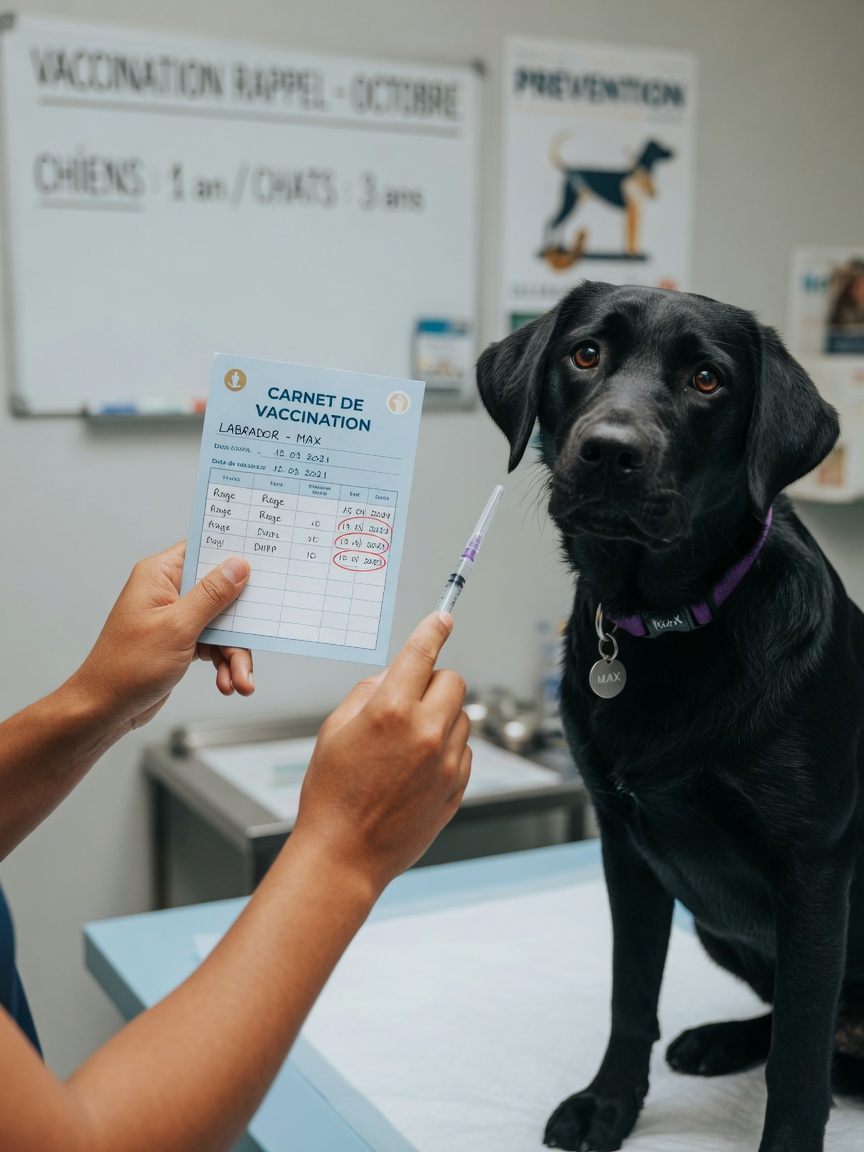
The internationally recognised core vaccines for dogs are those protecting against canine distemper virus (CDV), canine adenovirus (CAV, which covers both infectious canine hepatitis and respiratory adenovirus), and canine parvovirus type 2 (CPV-2). These three are almost always combined in a single injection, variously described as DHPPi or similar abbreviations depending on the manufacturer and whether other components are included.
Leptospirosis is considered a core vaccine in the UK and many European countries, given the widespread distribution of the bacteria and the severity of the disease, including its zoonotic potential. Some international guidelines classify it as non-core, but in the UK context, it is routinely included in the primary course and annual boosters.
Puppy Primary Schedule
The primary puppy course typically consists of two or three injections. The standard UK approach involves a first dose at eight weeks, a second at twelve weeks, and a third — particularly important for the parvovirus component — at or after sixteen weeks of age. This final dose at sixteen weeks or later is critical because it ensures the vaccine can work effectively after maternal antibodies have sufficiently waned. Missing it, or finishing the course too early, leaves a significant immunity gap.
Leptospirosis vaccination begins at eight weeks and requires two doses given four weeks apart. Both the distemper/hepatitis/parvo combination and the leptospirosis component are usually given at the same appointments, though the schedule may vary by product.
A booster is given at twelve months. After this, guidelines from the World Small Animal Veterinary Association (WSAVA) and the BSAVA indicate that the core viral components — distemper, hepatitis and parvovirus — can be boosted every three years in dogs shown to maintain immunity, while leptospirosis requires annual boosting due to faster waning immunity.
Core Vaccines for Cats
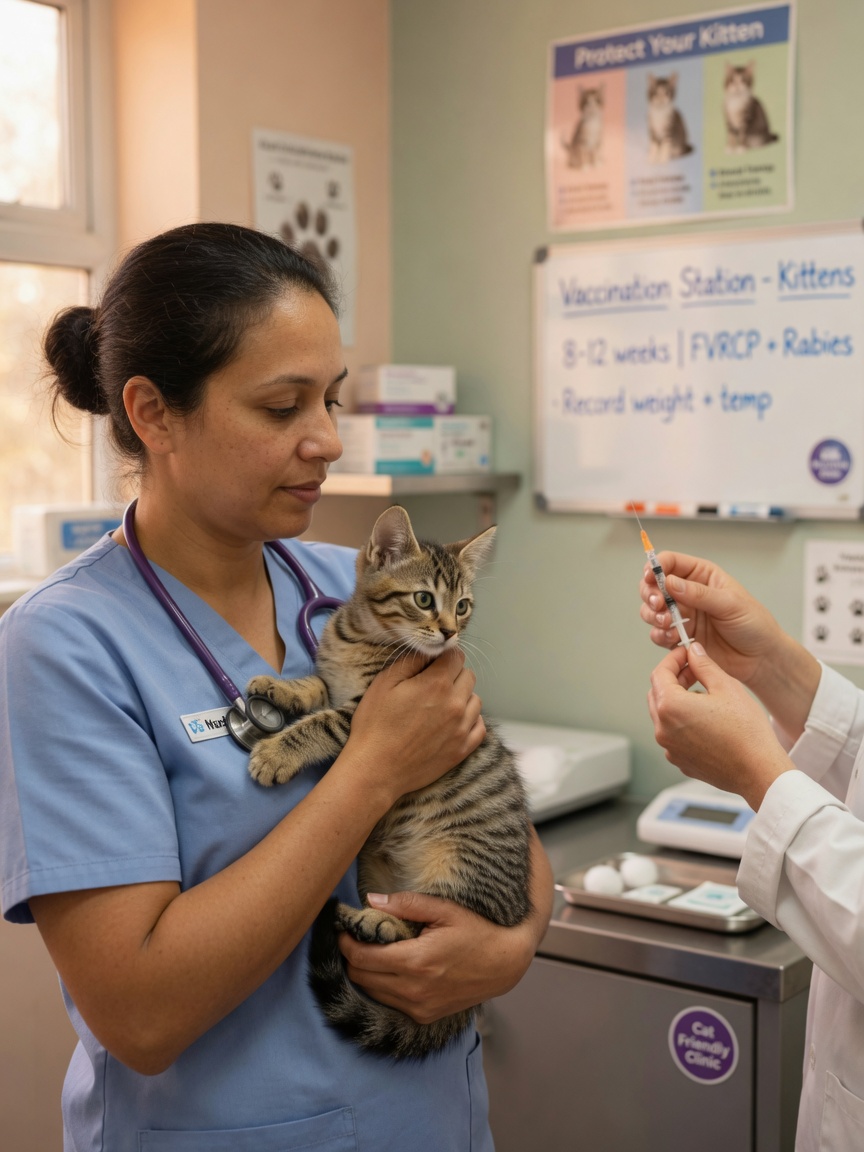
Core feline vaccines protect against feline panleukopaenia virus (FPV), feline herpesvirus type 1 (FHV-1) and feline calicivirus (FCV). These are delivered as a combined injection. Feline panleukopaenia is a particularly severe disease — essentially the feline equivalent of parvovirus — with high mortality in unvaccinated cats. The herpesvirus and calicivirus components cover the major causes of cat flu.
Kitten Primary Schedule
The primary kitten course involves two injections, typically at nine weeks and twelve weeks, or at eight weeks and twelve weeks depending on the product used. As with puppies, maternal antibody interference is a relevant factor; some guidelines recommend an additional dose at sixteen weeks for kittens at higher risk. A twelve-month booster follows the primary course.
Adult boosters for the core feline vaccines follow a similar pattern to dogs — triennial boosting is considered sufficient for FPV in cats maintaining adequate immunity, while the respiratory virus components (FHV-1 and FCV) may be boosted annually in cats with outdoor access or multi-cat household exposure, as the protection these offer against mild disease is less durable.
Non-Core Vaccines: Dogs
Non-core vaccines for dogs include those protecting against kennel cough (Bordetella bronchiseptica and canine parainfluenza virus), rabies, and in some regions, canine coronavirus or Borrelia (Lyme disease). Kennel cough vaccination is practically considered essential for any dog that enters boarding kennels, attends training classes, visits dog shows or mixes regularly with unknown dogs. Many reputable kennels require it. The kennel cough vaccine is given intranasally or as an injectable/oral combination, and must be given at least a week to ten days before kennel admission in most cases.
Rabies vaccination is non-core in the UK in the sense that it is not required for dogs that never travel internationally. However, it is mandatory for any dog travelling outside the UK and should be planned well in advance of travel.
Non-Core Vaccines: Cats
Non-core feline vaccines include those against feline leukaemia virus (FeLV), feline immunodeficiency virus (FIV), rabies and chlamydia. FeLV vaccination is strongly recommended for all cats with outdoor access or those in multi-cat households with unknown FeLV status. FeLV is a retrovirus with serious long-term consequences, and exposure risk for outdoor cats is real. Some guidelines now argue that FeLV should be considered core for all kittens in the primary course, with continuation based on lifestyle reassessment in adulthood.
FIV vaccination has limited availability in the UK. Chlamydia vaccination is typically reserved for multi-cat households or catteries experiencing recurrent chlamydial conjunctivitis.
Titre Testing as an Alternative to Routine Boosters
Serological titre testing — measuring antibody levels in the blood — can be used to assess whether an individual animal has maintained sufficient immunity following prior vaccination, particularly for the core viral diseases. A dog or cat with demonstrably protective titres for distemper, hepatitis and parvovirus (or FPV in cats) may not need a booster at that point. Titre testing is a valid option for owners who prefer to avoid vaccinating more frequently than necessary, though it does not replace leptospirosis boosters, which must remain annual regardless of titre results.
Summary Schedule at a Glance
- Puppies: first dose at 8 weeks, second at 12 weeks, third at 16 weeks or later; booster at 12 months
- Kittens: first dose at 8 to 9 weeks, second at 12 weeks; booster at 12 months
- Core viral vaccines in adults: consider triennial boosting or titre testing to guide intervals
- Leptospirosis (dogs): annual booster required regardless of titre results
- Kennel cough (dogs): annually, and at least 7 to 10 days before kennel stays
- FeLV (cats with outdoor access): included in primary course, reassess annually
- Rabies: only required for pets that travel internationally — plan well ahead
No vaccination schedule replaces an individual assessment by your vet. Lifestyle changes — a new pet joining the household, a move to a rural area, plans to travel, or a shift from indoor-only to outdoor access — all warrant a conversation about whether the current vaccination programme remains appropriate. Book an annual health check and use it as an opportunity to review your pet's protection, not just to administer whatever booster happens to be due.