
A Five-Thousand-Pound Veterinary Estimate Should Not Mean the End of the Road
It is one of the most distressing situations any pet owner can face: your animal is unwell, treatment is available, but the cost is beyond your immediate reach. In the UK alone, surveys have consistently shown that a significant proportion of pet owners have either delayed or declined veterinary treatment due to cost. The assumption that nothing can be done without the money upfront is, in many cases, wrong. There are more options available than most people realise — and knowing about them before you face a crisis is far better than discovering them in the middle of one.
Talk to Your Vet Practice Directly
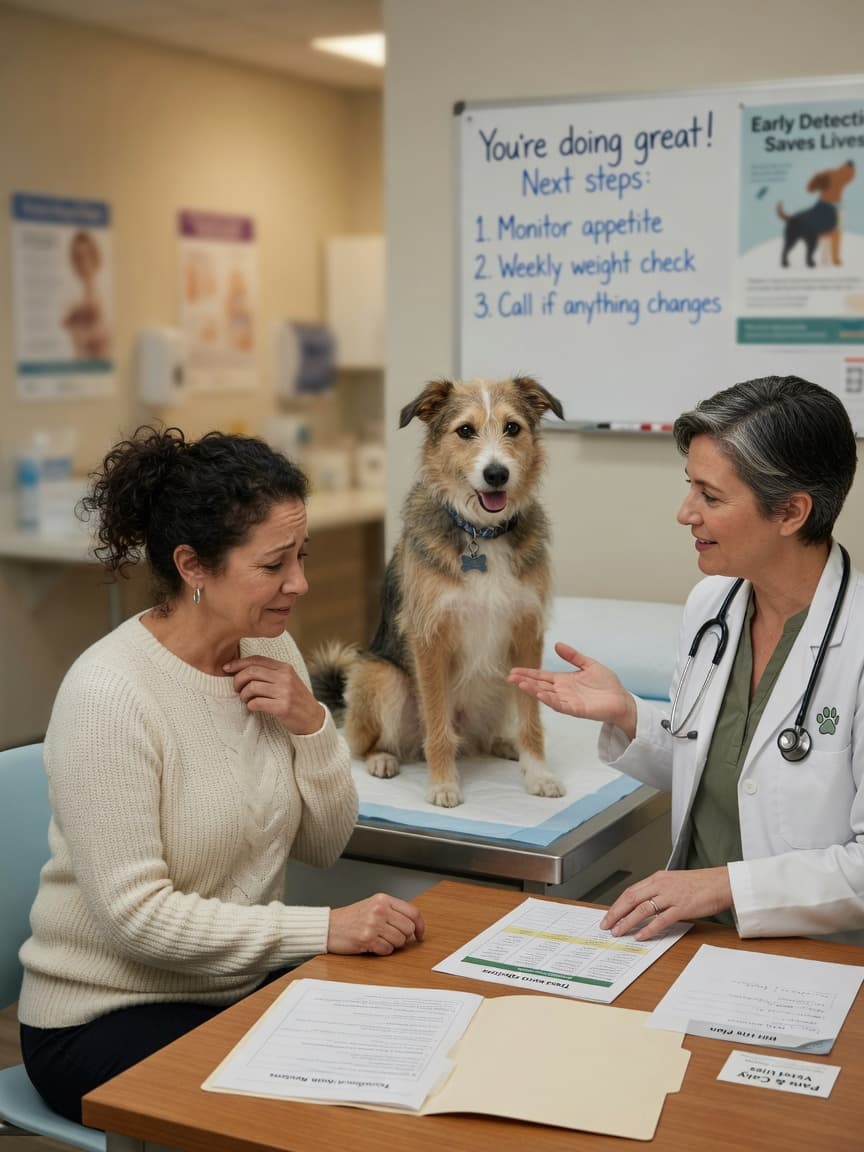
The first conversation most people avoid is often the most useful one. Veterinary practices are staffed by people who entered the profession because they care about animal welfare. Many practices have informal arrangements for clients in financial difficulty, and some have formal payment systems in place. Do not wait until after you have received the bill — raise the conversation as early as possible, ideally before treatment begins.
Questions worth asking include whether the practice offers staged payments, whether a reduced treatment plan is clinically viable, and whether the vet can prioritise the most urgent interventions while deferring non-critical procedures. Vets are generally willing to work with owners who communicate openly rather than simply disappear with an unpaid account.
Third-Party Veterinary Finance
Several financial products exist specifically for veterinary expenses. These are credit agreements rather than grants, so they need to be repaid, but they allow treatment to proceed immediately while spreading the cost over a period of months or years.
- Specialist veterinary finance providers offer interest-free or low-interest credit for periods typically ranging from six to twenty-four months
- Some high street credit cards offer extended interest-free periods that can effectively function similarly if managed carefully
- Personal loans from banks or credit unions may carry lower interest rates than specialist veterinary credit if your credit rating allows
Always compare the total amount repayable rather than just the monthly figure, and be realistic about your ability to sustain repayments over the full term.
Charity and Welfare Organisation Support

PDSA and Blue Cross
The People's Dispensary for Sick Animals (PDSA) operates veterinary practices across the UK providing free or subsidised care to pet owners who receive qualifying means-tested benefits. Eligibility is based on household income and benefit status rather than the nature of the veterinary need. The Blue Cross runs a similar scheme through its animal hospitals. If you are in receipt of Universal Credit, Housing Benefit, or certain other benefits, you may qualify for substantially reduced cost treatment at these organisations.
Breed-Specific and Condition-Specific Charities
A number of charities provide financial assistance for specific breeds or conditions. Organisations dedicated to greyhounds, for instance, or to animals with cancer, may offer grants or subsidised treatment referrals. A search of the Charity Commission register using your pet's breed or condition as search terms is a practical starting point. Some rescue organisations also provide post-adoption veterinary support for animals they have rehomed.
Royal Veterinary College and Teaching Hospitals
Veterinary teaching hospitals — attached to institutions such as the Royal Veterinary College, the University of Edinburgh, and Bristol — sometimes offer specialist treatment at reduced rates, particularly for cases of clinical interest. Referral from your own vet is typically required, but for complex or unusual conditions, this route can provide access to high-level specialist care at a fraction of the private cost.
Local and Community Resources
Local authority social services departments sometimes hold discretionary funds that can be applied to pet care costs where a pet is integral to an owner's mental health or wellbeing. Community food banks occasionally stock pet food, reducing the overall financial pressure. Some local animal welfare charities — operating at borough or county level rather than nationally — offer emergency grants or assist with transport costs to distant veterinary facilities. Social media communities and crowdfunding platforms have also enabled pet owners to raise funds for specific treatment costs, with varying but sometimes substantial success.
Preventing the Crisis Before It Arrives
While none of the above is a substitute for forward planning, the most effective tool remains preparation. Registering with a vet practice before your pet becomes ill — and establishing a relationship with the team — means you are a known client rather than a stranger when a crisis happens. Asking about the practice's approach to financial hardship at a routine appointment removes the awkwardness of raising it under pressure.
Building even a modest emergency fund, as discussed elsewhere on this site, can dramatically change the options available. And if insurance is unaffordable at current premium levels, a basic accident-only policy covering the most catastrophic scenarios is far better than no cover at all.
Practical Summary
- Speak to your vet practice early and honestly — many have payment options or can adapt treatment plans
- Explore veterinary finance products, but compare total repayment costs carefully
- Check eligibility for PDSA and Blue Cross subsidised care if you receive means-tested benefits
- Search for breed-specific or condition-specific charity support through the Charity Commission register
- Ask your vet about referral to a veterinary teaching hospital for specialist conditions
- Always consult your vet about the clinical priority of different treatment elements — sometimes a staged or modified approach is medically viable and significantly more affordable
Financial hardship should not automatically mean an animal goes without care. The options described here are real, accessible, and used by pet owners across the UK every day. Knowing they exist — and acting on them without delay — is the most important step you can take.