

What Can Be Mixed With Dry Dog Food? 25 Vet-Approved Suggestions
Dry dog food provides excellent nutrition and convenience, but let's be honest—sometimes our furry companions need a little excitement at mealtime. Whether your dog is a picky eater, needs medication administration support, or simply deserves a nutritional boost, mixing complementary foods with kibble can enhance palatability and nutritional value. As a certified animal nutritionist, I've compiled evidence-based suggestions that are both safe and beneficial for your dog's health.
Why Mix Foods With Dry Dog Food?
There are several compelling reasons to vary your dog's meals whilst maintaining their primary dry food diet. Mixing foods can:
- Encourage reluctant eaters to finish their meals
- Provide additional vitamins, minerals, and nutrients
- Improve digestion through diverse beneficial bacteria
- Aid in administering medications or supplements
- Reduce food boredom and behavioural issues
- Support dental health with varied textures
However, it's crucial to maintain proper nutritional balance and caloric intake, which is why I recommend consulting your veterinarian before making significant dietary changes.
10 Protein-Rich Additions
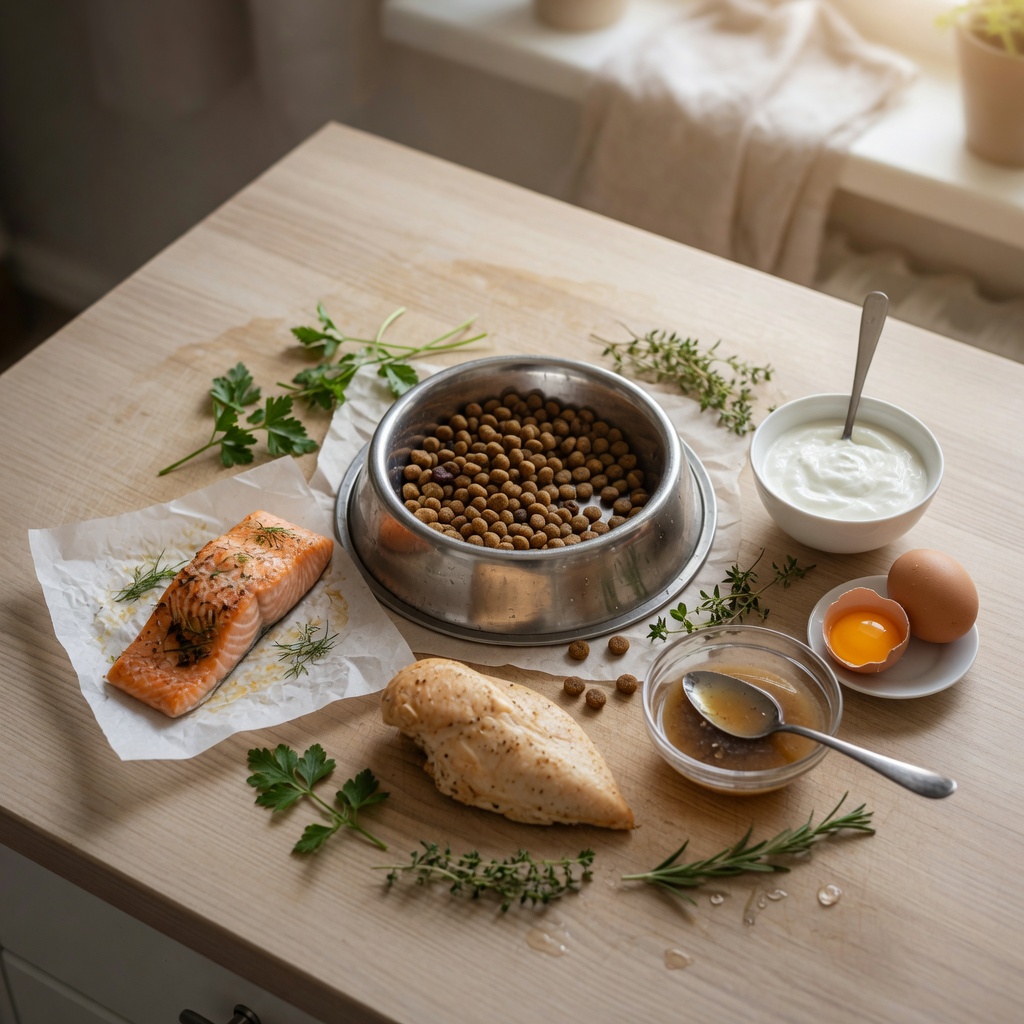
Protein is essential for muscle maintenance and repair. These additions complement your dog's existing protein intake:
- Cooked chicken breast (unseasoned)
- Lean ground turkey (cooked, no seasoning)
- Plain Greek yoghurt
- Cottage cheese (low-sodium)
- Cooked salmon or sardines in water
- Egg (cooked, any preparation)
- Beef broth (low-sodium, no onions or garlic)
- Plain cooked beef (lean cuts)
- Bone broth (unseasoned, from reputable sources)
- Cooked white fish (unseasoned)
8 Vegetable and Fruit Options
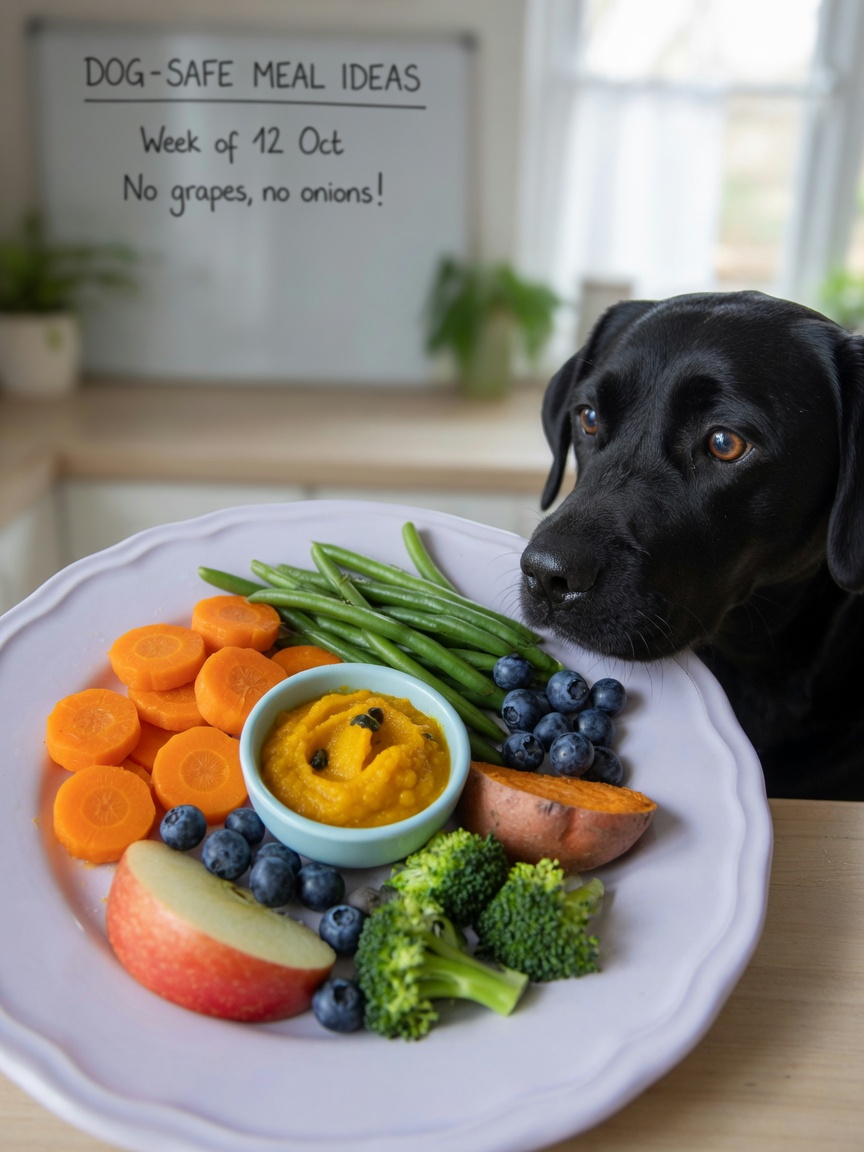
These additions provide fibre, vitamins, and phytonutrients whilst keeping calories in check:
- Steamed carrots (promote dental health)
- Pumpkin purée (aids digestion)
- Green beans (fresh or steamed)
- Sweet potato (cooked, mashed)
- Blueberries (antioxidant powerhouse)
- Apple slices (remove seeds)
- Cooked broccoli (in small quantities)
- Watermelon (remove seeds)
7 Healthy Fats and Supplements
These additions support coat health, cognitive function, and joint mobility:
- Fish oil supplement (veterinarian-recommended dosage)
- Coconut oil (start with ¼ teaspoon for small dogs)
- Flaxseed oil (follow vet guidance on quantity)
- Plain peanut butter (xylitol-free)
- Olive oil (one teaspoon maximum per meal)
- Turmeric paste (for anti-inflammatory benefits)
- Apple cider vinegar (one teaspoon in water, occasionally)
Important Safety Guidelines
Before mixing new foods with your dog's kibble, remember these critical rules:
- Follow the 10% rule: Additions should comprise no more than 10% of daily calories; the remaining 90% should come from complete, balanced dog food
- Avoid toxic foods: Never add chocolate, grapes, raisins, avocado, onions, garlic, or foods containing xylitol
- Introduce gradually: Add new foods over 7-10 days to prevent digestive upset
- Monitor digestion: Watch for vomiting, diarrhoea, or constipation after introducing new items
- Consult your vet: Especially important if your dog has allergies, sensitivities, or medical conditions
- Maintain freshness: Remove uneaten portions after 20 minutes to prevent bacterial growth
- Keep portions small: A tablespoon of addition per meal is often sufficient for most dogs
Key Takeaways
Enriching your dog's diet with appropriate mix-ins can improve their mealtime experience whilst supporting overall health. The key is balance and moderation—your dog's primary nutrition should come from quality dry food formulated to meet their complete dietary requirements. Always introduce new foods gradually, monitor your dog's response, and consult your veterinarian if you have concerns. By following these evidence-based suggestions and safety guidelines, you can confidently enhance your dog's nutrition whilst maintaining their wellbeing for years to come.
```