
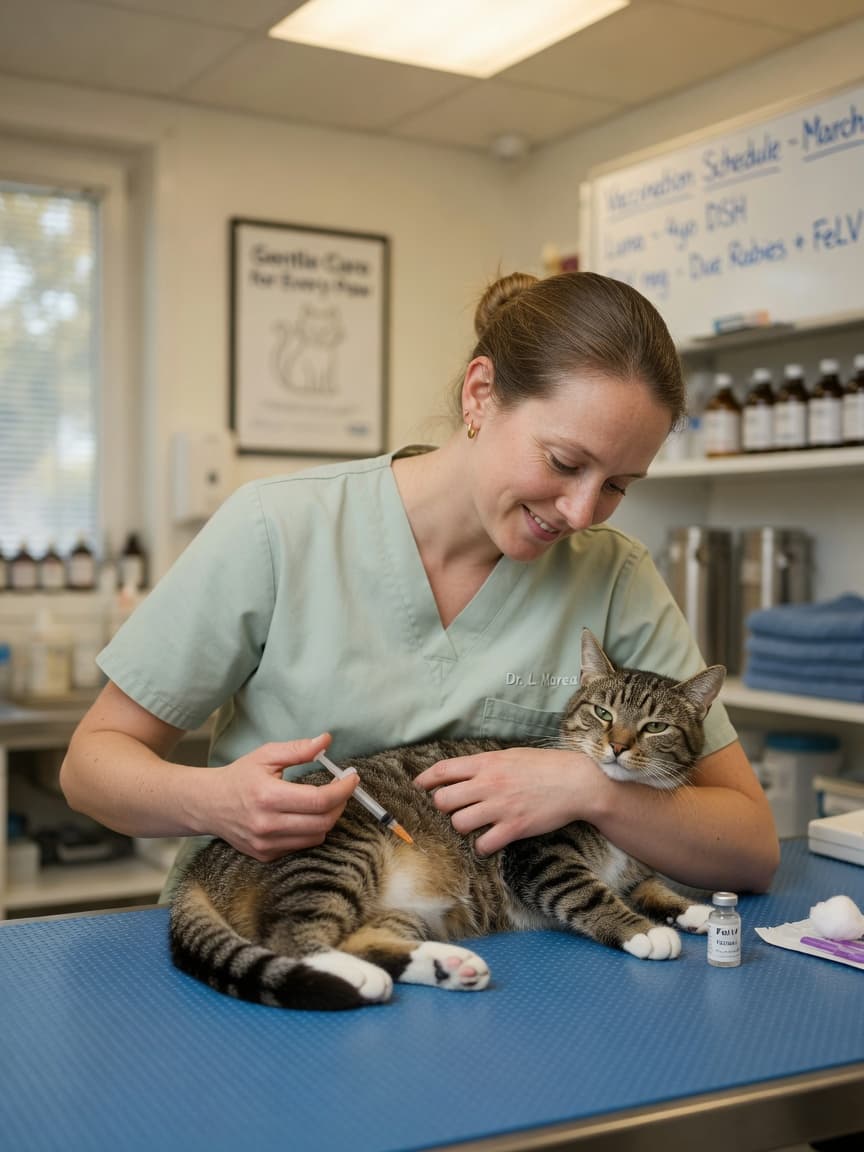
What is the Average Adult Cat Vaccination Schedule?
Keeping your adult cat protected against serious diseases is one of the most important responsibilities of pet ownership. Whilst many cat owners understand that kittens need vaccinations, fewer realise that adult cats require ongoing protection throughout their lives. A proper vaccination schedule not only shields your feline companion from potentially fatal illnesses but also contributes to public health by preventing disease transmission. In this guide, we'll explore what vaccinations adult cats need, how often they require them, and how to work with your veterinary surgeon to create the best protection plan for your individual cat.
Understanding Core and Non-Core Vaccines
Veterinary professionals divide feline vaccines into two categories: core and non-core. Core vaccines are essential for all cats, regardless of lifestyle, as they protect against widespread, serious diseases. Non-core vaccines are recommended based on your cat's individual risk factors, such as outdoor access, geographic location, or health status.
Core vaccines for adult cats include:
- Feline Panleukopenia (FP)
- Feline Herpesvirus (FHV)
- Feline Calicivirus (FCV)
Non-core vaccines may include:
- Feline Leukaemia Virus (FeLV)
- Feline Immunodeficiency Virus (FIV)
- Feline Infectious Peritonitis (FIP)
- Bordetella bronchiseptica
- Chlamydia felis
The Recommended Adult Vaccination Schedule
Once your cat reaches adulthood (typically after 12 months of age), the vaccination frequency changes from the more frequent kitten schedule. Most adult cats require booster vaccinations annually, though some modern vaccines provide protection for three years.
Standard annual schedule:
- Schedule a veterinary appointment annually for a health check and vaccination review
- Receive booster injections for core vaccines, typically given as a combined injection
- Discuss with your vet whether non-core vaccines are appropriate for your cat's lifestyle
- Maintain accurate vaccination records for your own reference and future veterinary care
Your veterinary surgeon may recommend extended intervals (every three years) for certain vaccines if they determine your cat has adequate immunity. This decision should always be made professionally, never assumed based on previous schedules.
Factors Affecting Your Cat's Vaccination Needs

Not every cat requires identical vaccination protocols. Several factors influence which vaccines your cat needs and how frequently they should receive them:
- Indoor versus outdoor access: Outdoor cats face greater disease exposure and typically need broader protection
- Health status: Cats with compromised immune systems may need modified schedules
- Geographic location: Some diseases are more prevalent in specific regions across Europe
- Multi-cat household: Living with other cats may increase disease transmission risks
- Previous medical history: Cats with prior adverse reactions may need alternative protocols
- Age and life stage: Senior cats may have different requirements than middle-aged adults
Preparing for Your Cat's Vaccination Appointment
To ensure your appointment goes smoothly and your cat receives optimal care, prepare in advance. Bring your cat's vaccination records if visiting a new practice. Mention any health concerns, dietary changes, or behavioural observations to your vet. Discuss your cat's lifestyle honestly—whether they're purely indoor, have garden access, or roam freely—as this significantly influences vaccine recommendations.
After vaccination, monitor your cat for common mild side effects like temporary lethargy or slight swelling at the injection site. These typically resolve within 24 hours. Contact your vet if you notice severe reactions, difficulty breathing, or persistent symptoms.
Key Takeaways for Adult Cat Vaccination
Adult cats require regular vaccination maintenance to stay protected throughout their lives. Annual health checks with your veterinary surgeon should include vaccination reviews and booster administrations as needed. Core vaccines protect against serious, widespread diseases affecting all cats, whilst non-core vaccines are personalised based on individual risk factors. By maintaining consistent vaccination schedules tailored to your cat's specific circumstances, you're investing in their long-term health and wellbeing whilst contributing to broader feline disease prevention across your community.