
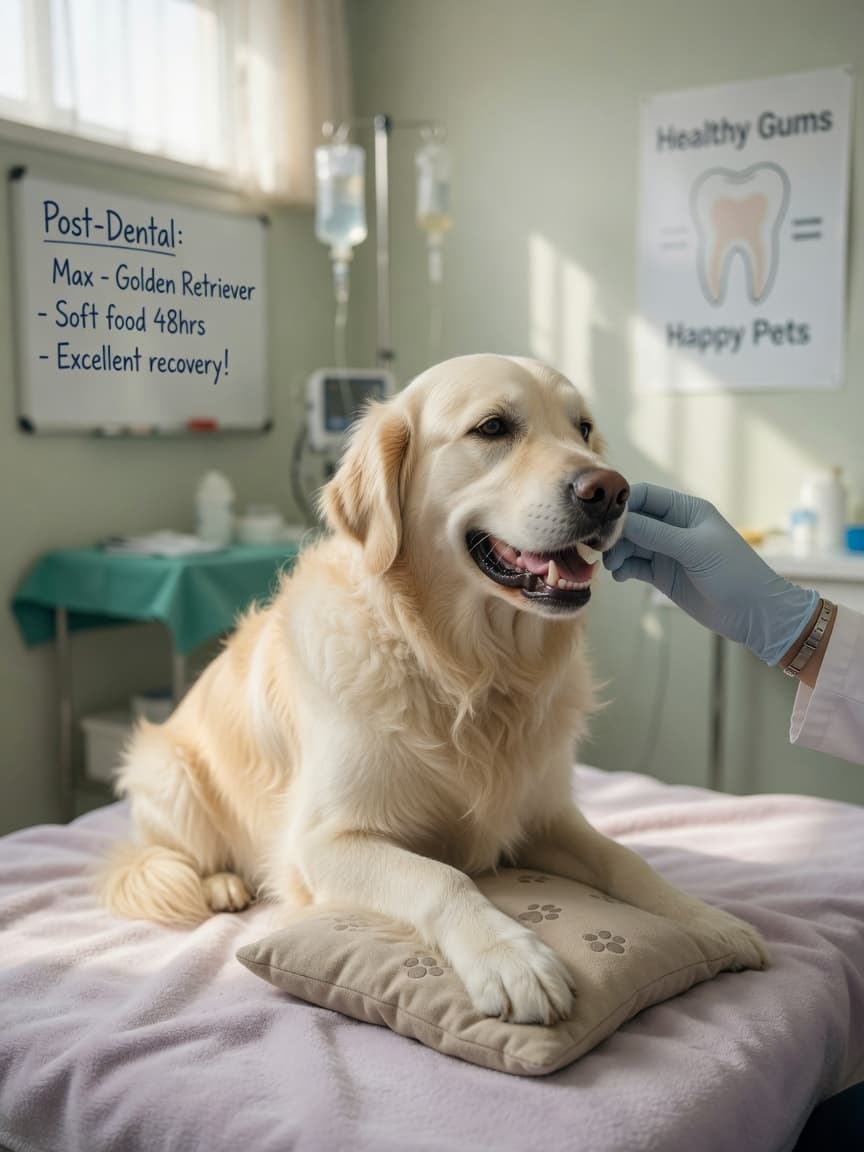
What to Expect After Dog Teeth Cleaning: Routine Care Tips
Professional dog teeth cleaning is one of the best investments you can make in your pet's long-term health. Whether your dog has just come home after an anaesthetic procedure or you're preparing for an upcoming appointment, understanding what happens after teeth cleaning helps you provide optimal aftercare and recognise any concerns early. This comprehensive guide covers everything you need to know about post-cleaning recovery and maintaining those freshly cleaned teeth.
The Immediate Recovery Period (First 24 Hours)
After professional teeth cleaning, your dog may feel drowsy or slightly disoriented due to the anaesthetic used during the procedure. This is completely normal and typically wears off within a few hours. During this critical first day:
- Keep your dog in a quiet, comfortable space away from stairs and other hazards
- Limit physical activity and avoid vigorous play or exercise
- Provide soft food and cool water, as the mouth may feel sensitive
- Monitor for excessive drooling or bleeding, which should be minimal
- Avoid bathing your dog, as the incision site (if extractions were performed) needs to stay dry
Most dogs return to their normal selves within 24 to 48 hours, though some may remain slightly quieter whilst they recover.
Managing Post-Cleaning Sensitivity
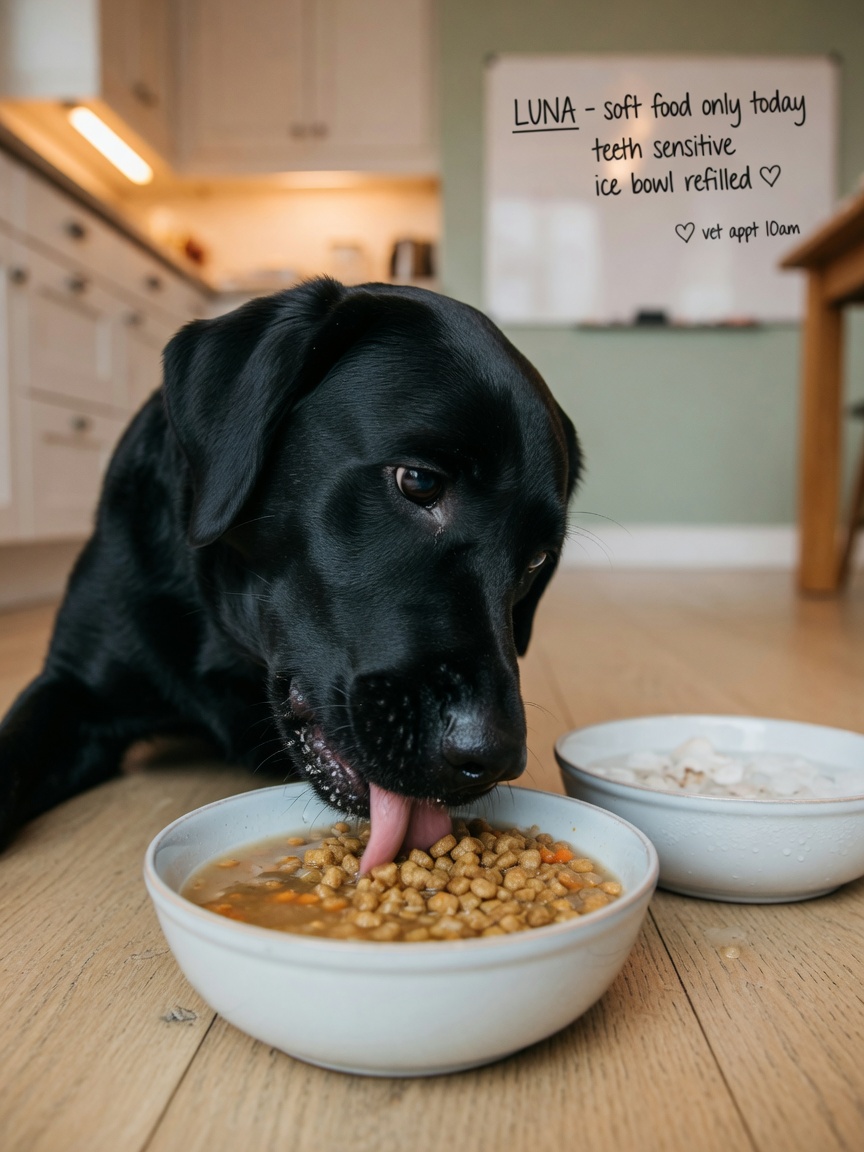
Your dog's teeth and gums may feel sensitive for several days following the procedure. The cleaning process removes tartar and plaque buildup, exposing the tooth surface and potentially irritating sensitive gums. To ease discomfort:
- Feed soft, cooled foods for the first few days (such as soaked kibble, tinned food, or broth)
- Avoid hard treats, chew toys, and crunchy biscuits temporarily
- Use a soft-bristled toothbrush if brushing teeth during this period
- Offer ice chips or cold water to soothe inflamed gums
- Contact your vet if sensitivity persists beyond one week
Your veterinary team may prescribe pain relief or antibiotics if extractions were necessary. Always administer these medications exactly as directed.
Aftercare Instructions and What You'll Receive
Your vet will provide detailed written aftercare instructions specific to your dog's procedure. These typically include information about:
- Medication administration schedules and dosages
- Activity restrictions lasting 7-14 days post-procedure
- Dietary recommendations and duration of soft food feeding
- Signs of complications requiring immediate veterinary attention
- When to schedule follow-up appointments, if necessary
Keep these instructions handy and refer to them throughout the recovery period. Don't hesitate to contact your practice if you have questions or concerns.
Long-Term Dental Maintenance at Home
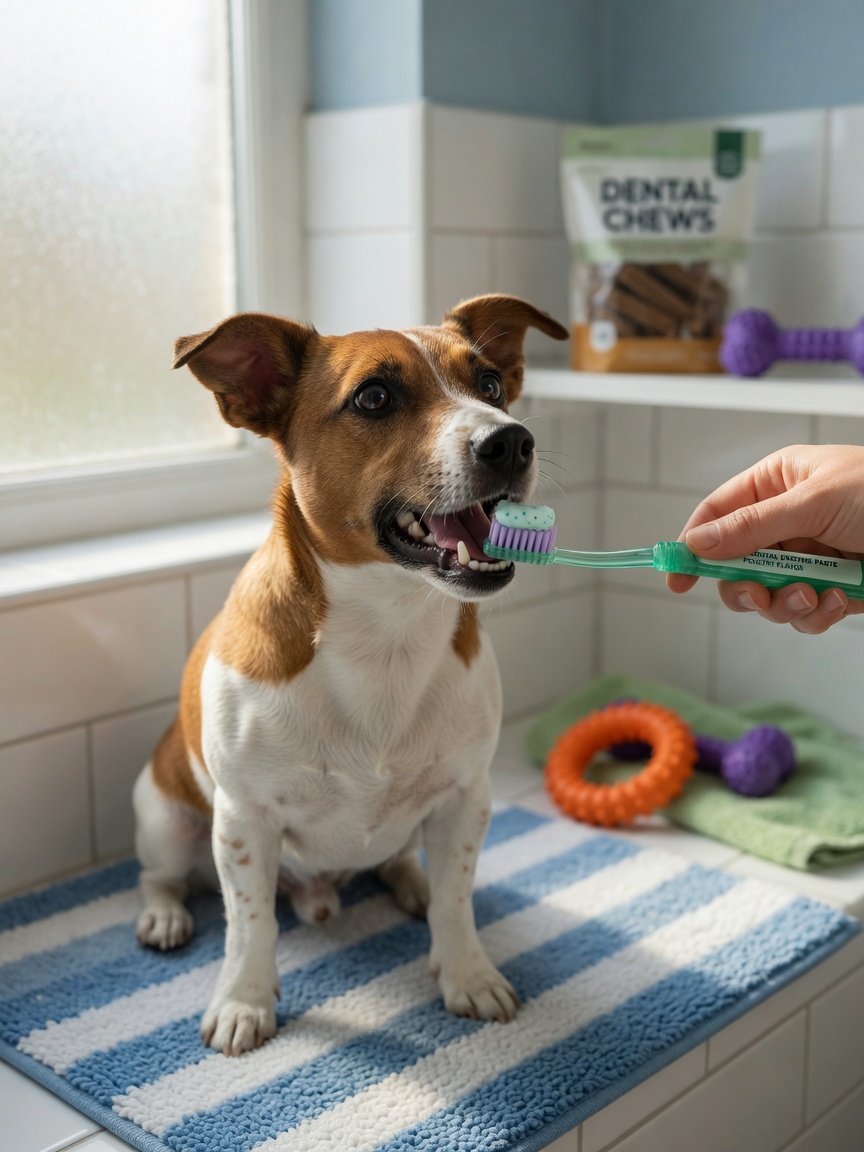
Professional cleaning is excellent, but maintaining results requires consistent home care. Start implementing these practices immediately after recovery:
- Daily teeth brushing: Aim for daily brushing using a dog-specific toothpaste and soft-bristled brush
- Dental chews and treats: Choose approved products that promote dental health without damaging teeth
- Appropriate toys: Select toys designed for dental health, avoiding anything that could crack teeth
- Regular water changes: Fresh drinking water prevents bacterial growth in the mouth
- Balanced diet: Discuss optimal nutrition with your vet, as diet influences dental health
When to Contact Your Vet
Most dogs recover without complications, but contact your veterinary practice immediately if you notice:
- Excessive bleeding or discharge from the mouth lasting more than 24 hours
- Swelling of the face, jaw, or neck
- Difficulty eating or drinking beyond the first few days
- Bad breath that worsens after the procedure
- Signs of infection, including fever or lethargy beyond normal recovery
- Broken or loose teeth following the cleaning
Key Takeaways for Success
Post-cleaning care sets the foundation for your dog's continued dental health. Follow your vet's aftercare instructions carefully, provide soft foods during recovery, and commit to daily home dental care. Regular professional cleanings combined with consistent home maintenance can prevent serious dental disease and keep your dog's breath fresh and teeth strong for years to come. Remember, healthy teeth contribute significantly to your dog's overall wellbeing and quality of life.