
What Vegetables Can Dogs Eat? - Whole Dog Journal
As a dog owner, you've probably wondered whether sharing your vegetable scraps with your furry friend is a safe and nutritious idea. The good news is that many vegetables are not only safe for dogs but can provide valuable vitamins, minerals, and fibre that complement their regular diet. However, not all vegetables are created equal, and some can pose serious health risks. Understanding which vegetables your dog can safely enjoy will help you make informed decisions about their nutrition and treat options.
Safe Vegetables for Dogs: The Green Light List
Several vegetables are excellent choices for supplementing your dog's diet. These can be served raw or lightly cooked, depending on your dog's preference and digestive sensitivity:
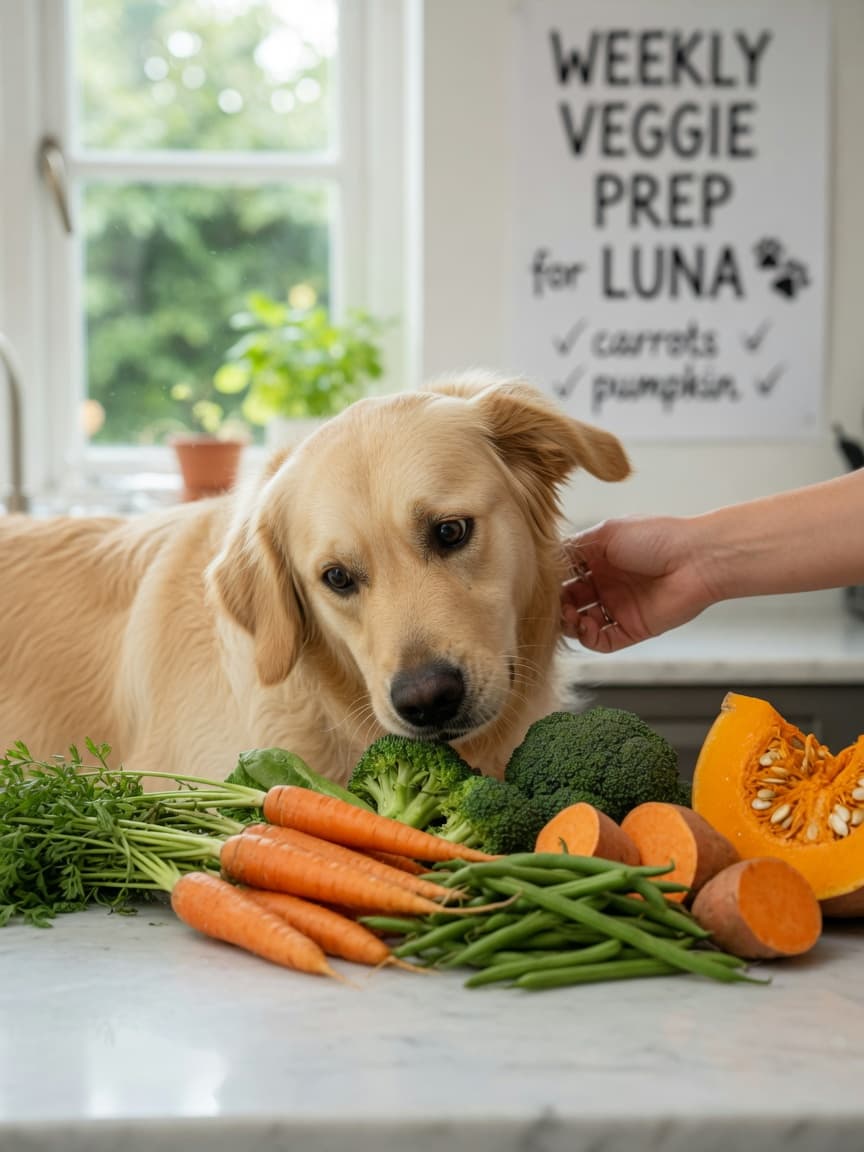
- Carrots: An ideal low-calorie treat that's great for dental health and packed with beta-carotene. Raw carrots can help clean teeth, whilst cooked carrots are easier to digest.
- Broccoli: Rich in vitamin C and fibre, though it should only comprise no more than 10% of daily food intake due to compounds that can irritate the stomach in large quantities.
- Green beans: Low in calories and high in nutritional value, these are particularly suitable for weight management.
- Sweet potatoes: Excellent source of vitamin A and fibre; best served cooked to aid digestion.
- Pumpkin: Beneficial for both constipation and diarrhoea due to its fibre content. Plain pumpkin puree is ideal.
- Peas: High in protein and vitamins; both fresh and frozen varieties are safe.
- Spinach: Nutrient-dense but should be given occasionally, as it contains oxalates that can interfere with calcium absorption.
- Courgette: Low-calorie and easily digestible, making it perfect for dogs requiring portion control.
Vegetables to Avoid Completely
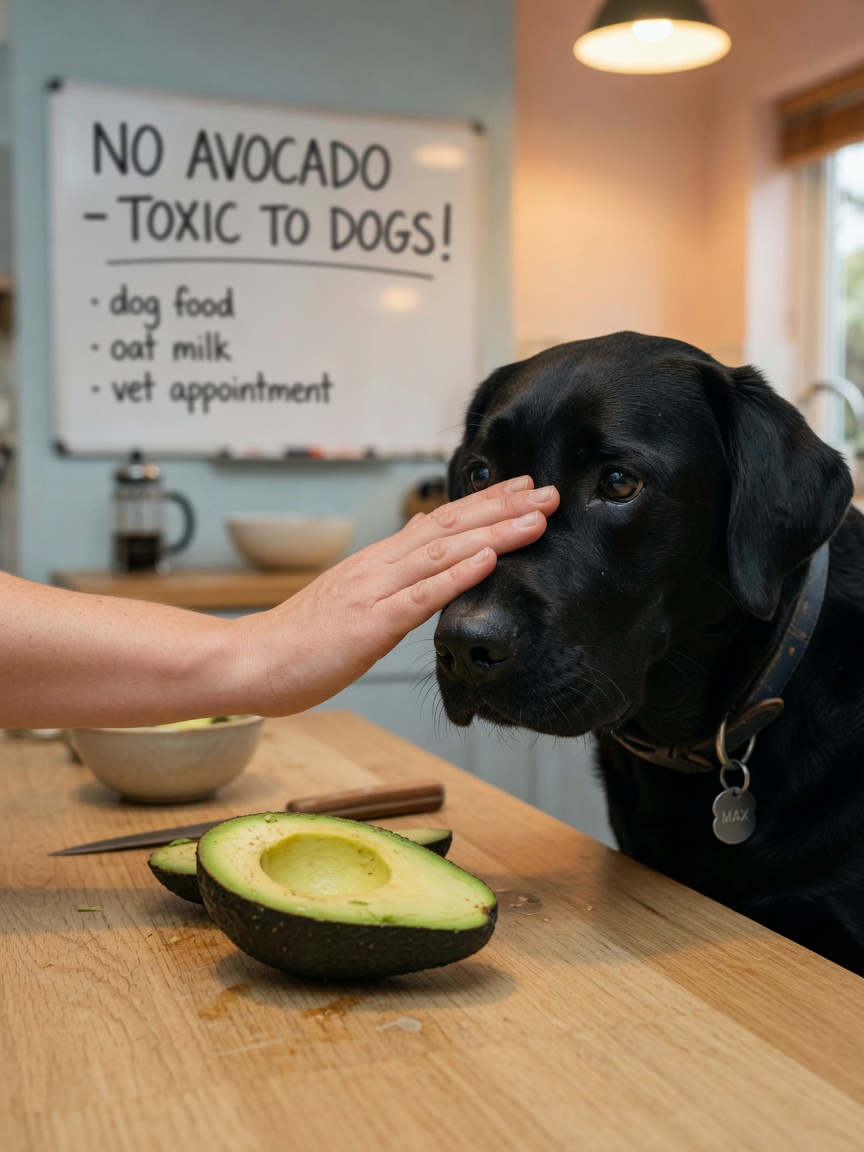
Certain vegetables are toxic to dogs and should never be offered, regardless of quantity:
- Onions and garlic: Contain compounds that damage dogs' red blood cells and can cause anaemia.
- Avocado: Contains persin, a fungicidal toxin that can cause gastrointestinal upset.
- Tomatoes (unripe): Green tomatoes contain alkaloids that are potentially harmful; ripe tomatoes in moderation are generally acceptable.
- Mushrooms: Some varieties are extremely toxic; it's safest to avoid all wild mushrooms.
Preparation and Serving Guidelines
When introducing vegetables to your dog's diet, follow these practical guidelines:
- Start slowly: Introduce new vegetables one at a time in small quantities to monitor for allergic reactions or digestive upset.
- Remove seeds and stems: Some seeds and stems contain compounds that may be harmful in concentrated amounts.
- Serve appropriately sized pieces: Chop vegetables into sizes suitable for your dog to prevent choking hazards.
- Cook when necessary: Whilst many vegetables are safe raw, cooking can improve digestibility for some dogs, particularly those with sensitive stomachs.
- Avoid seasoning: Never add salt, garlic, or onion powder to vegetables prepared for dogs.
- Maintain portion control: Vegetables should comprise no more than 10% of your dog's daily calorie intake.
Nutritional Benefits and Dietary Balance
Vegetables offer dogs valuable nutritional benefits including essential vitamins, minerals, and dietary fibre. However, dogs are primarily carnivorous and require adequate protein from meat sources. Vegetables work best as supplements to a complete, balanced diet rather than replacements for protein. If you're considering a significant dietary change or vegetarian diet for your dog, consult your veterinary surgeon to ensure nutritional adequacy.
Key Takeaways
Vegetables can be a healthy, low-calorie addition to your dog's diet when chosen carefully. Carrots, broccoli, green beans, and sweet potatoes represent excellent safe options, whilst onions, garlic, and avocado must be avoided entirely. Always introduce new foods gradually, serve appropriate portions, and maintain vegetables as a supplement rather than a meal replacement. When in doubt about a specific vegetable, consult your veterinary surgeon. By following these guidelines, you can confidently share the benefits of nature's produce with your beloved companion whilst keeping them safe and healthy.