
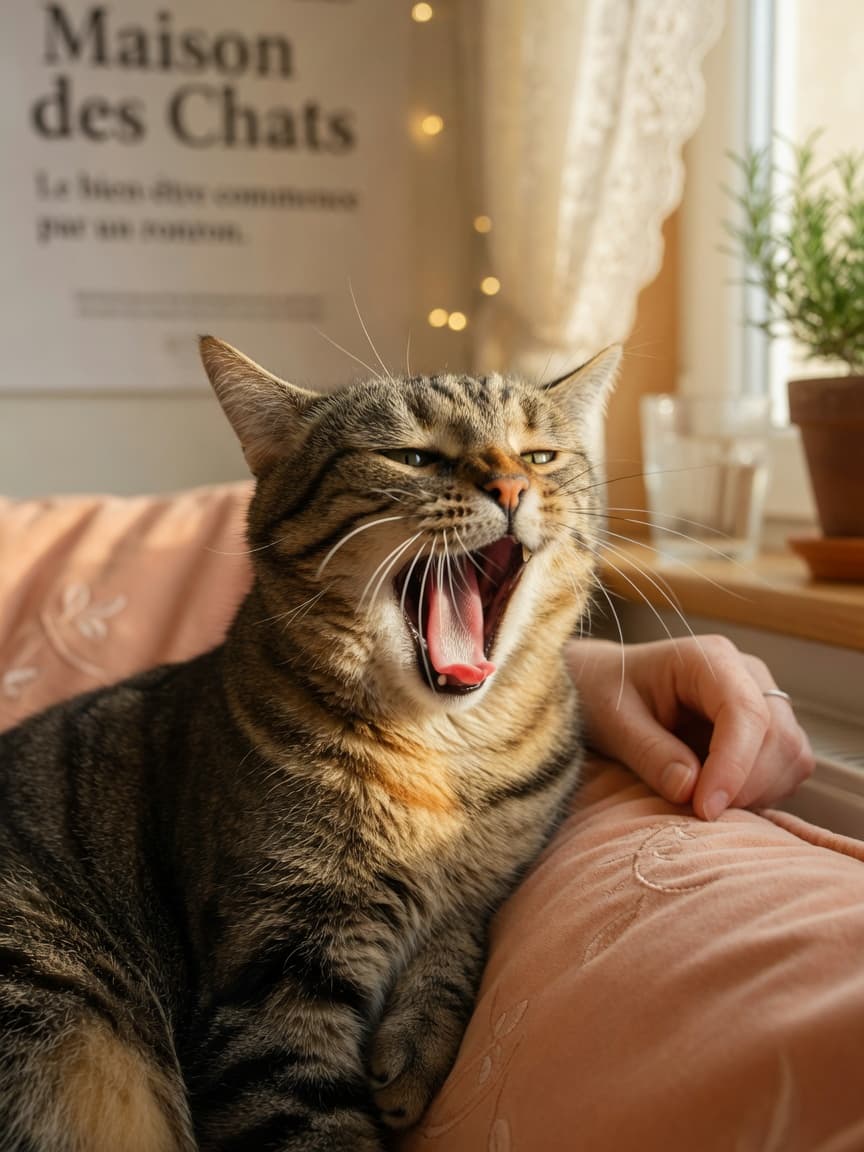
What Your Cat's Yawn Is Telling You
If you've ever watched your cat yawn and wondered whether it means the same thing as when you yawn, you're onto something interesting. Whilst we often assume a yawn simply indicates tiredness, feline yawns are far more complex and communicative than that. As a pet nutritionist, I've observed that understanding your cat's body language—including those seemingly simple yawns—can provide valuable insights into their physical health, emotional state, and even their social intentions towards you.
The Science Behind Feline Yawning
Cats yawn for similar physiological reasons to humans: to increase oxygen intake, regulate brain temperature, and prepare muscles for activity. However, research suggests that feline yawning serves an additional social purpose. When your cat yawns in your presence, they're often communicating trust and contentment. Unlike dogs, who rarely yawn intentionally, cats have developed yawning as a deliberate signalling mechanism within their social repertoire.
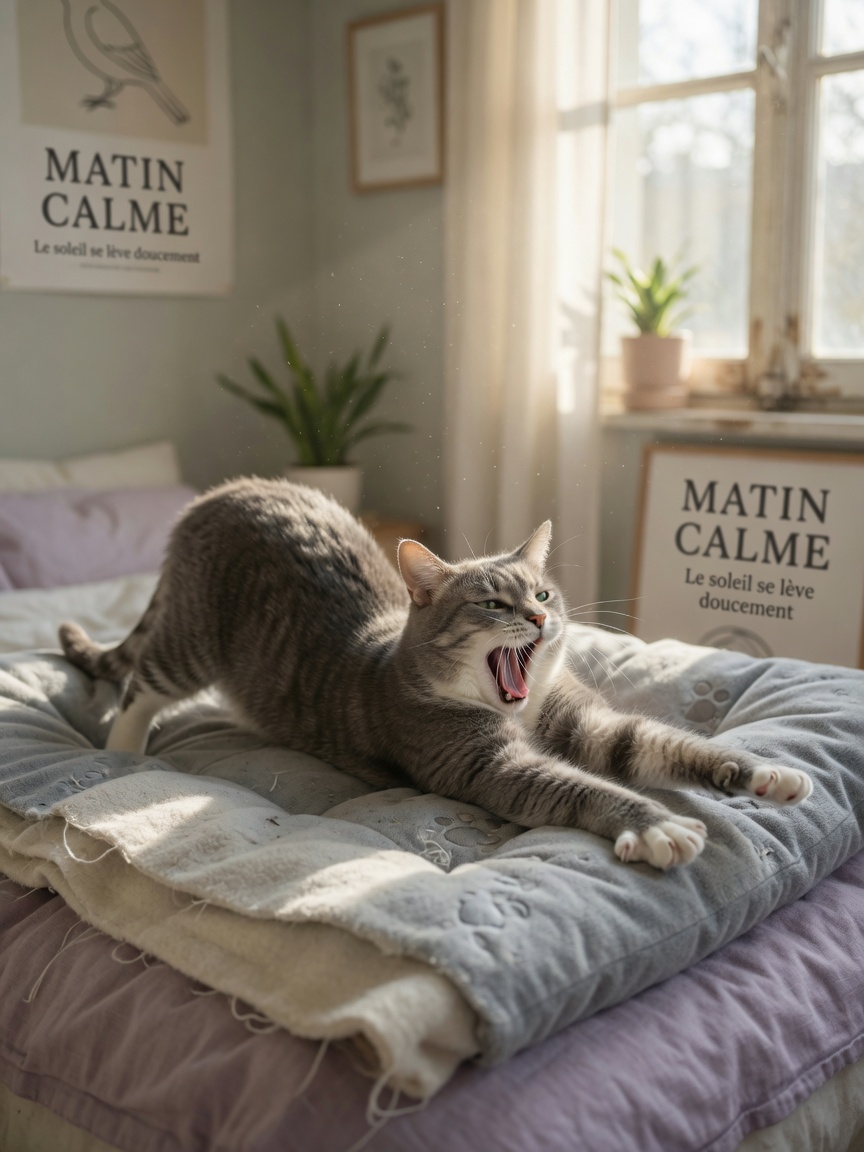
A cat's yawn typically lasts between 1-3 seconds and is often accompanied by a full-body stretch. This combination helps awaken their muscles and increase alertness after rest periods.
What Different Yawn Patterns Reveal
Not all yawns are created equal. By observing the frequency and context of your cat's yawning, you can glean important information:
- Frequent yawning upon waking: This is entirely normal and helps your cat transition from sleep to wakefulness.
- Yawning during social interaction: When your cat yawns whilst sitting near you or during playtime, they're displaying affection and relaxation around your presence.
- Excessive yawning: If your cat yawns excessively throughout the day without an obvious trigger (such as waking up), this could indicate fatigue, stress, or potentially an underlying health concern.
- Yawning before play or hunting: This demonstrates your cat's mental and physical preparation for activity.
Health Concerns to Monitor
Whilst occasional yawning is perfectly normal behaviour, certain patterns warrant attention. Persistent excessive yawning, particularly when combined with other symptoms, may indicate:
- Dental problems or oral discomfort
- Upper respiratory infections
- Thyroid imbalances
- Sleep disorders
- Stress or anxiety
If your cat's yawning frequency has suddenly increased, or if it's accompanied by lethargy, loss of appetite, or changes in behaviour, consult your veterinarian promptly.
The Yawn as a Sign of Trust and Affection
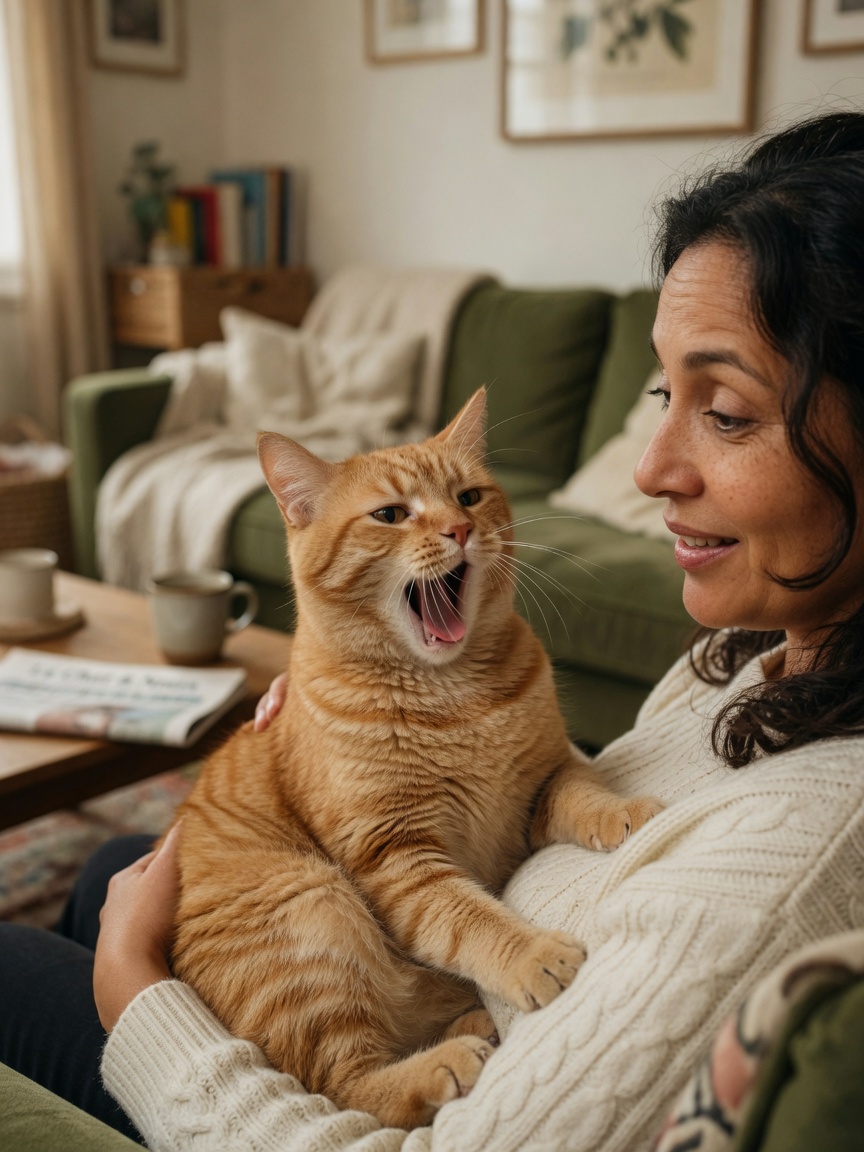
Perhaps most delightfully, your cat's yawn can be interpreted as a feline compliment. When your cat yawns in your immediate vicinity—particularly if they're making eye contact or following it with a blink or head rub—they're essentially saying "I feel safe with you." This is a powerful bonding moment. Some feline behaviour experts suggest that yawning near their human is equivalent to cats saying "I trust you" or even mimicking our own yawns as a form of social bonding.
Practical Tips for Cat Owners
- Keep a yawning log: Note when and how often your cat yawns to establish their normal pattern, making it easier to spot changes.
- Ensure adequate sleep: Most cats need 12-16 hours of sleep daily; provide comfortable, quiet resting spaces.
- Maintain good dental hygiene: Regular dental checks can rule out pain as a cause of excessive yawning.
- Respond positively: When your cat yawns near you, it's an opportunity for interaction—slow blinks in return deepen your bond.
Key Takeaways
Your cat's yawn is rarely just about being tired. It's a multifaceted form of communication that reveals emotional comfort, physical readiness, and social attachment. By understanding what your cat's yawns are communicating, you'll develop a deeper appreciation for their complex emotional life. Monitor for any sudden changes in yawning patterns, ensure your cat has a healthy sleep environment, and cherish those moments when your feline friend yawns in your presence—it's their way of showing they trust and value you.