
Why Are Cats Always Hungry?
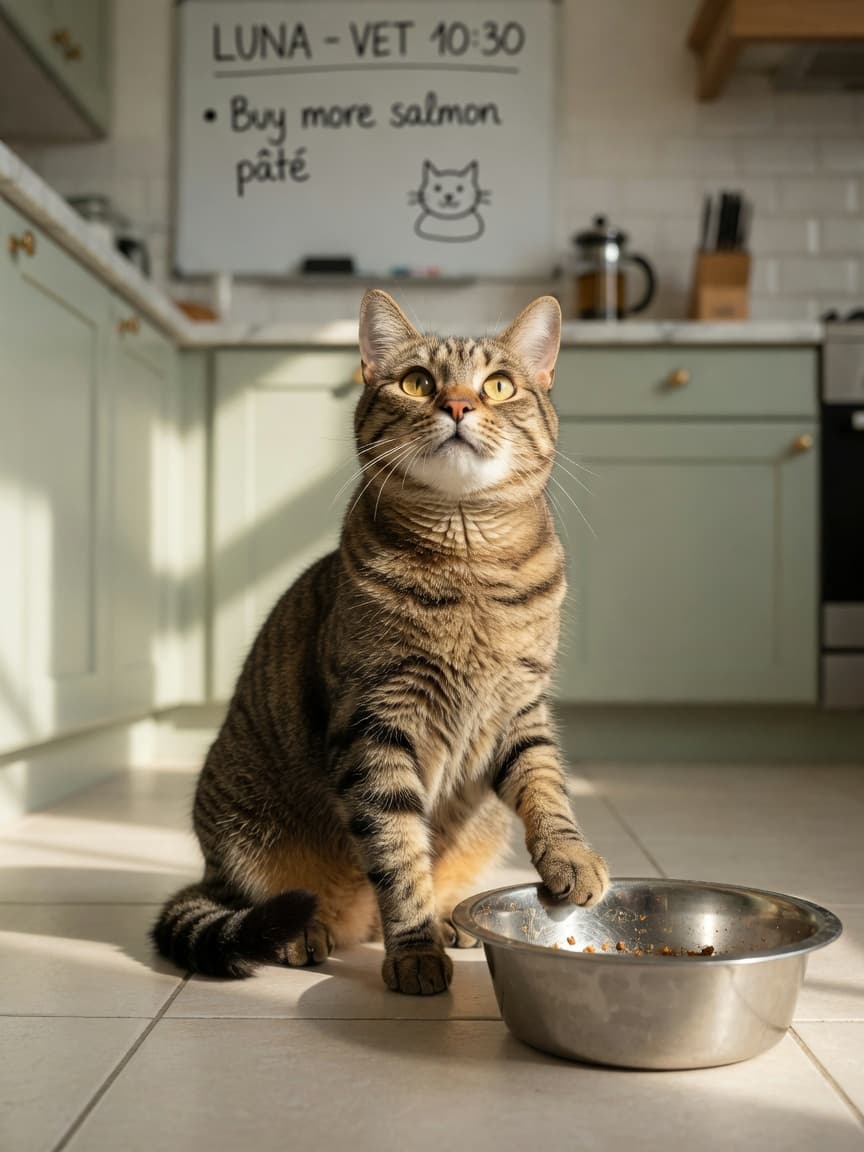
If your cat seems to be constantly meowing by the food bowl, begging for treats, or raiding the kitchen at all hours, you're not alone. Many cat owners find themselves puzzled by their feline friend's seemingly insatiable appetite. But is your cat genuinely hungry, or could something else be at play? Understanding the reasons behind persistent hunger in cats is essential for maintaining their health and wellbeing.
Natural Hunting Instincts and Meal Frequency
Cats are obligate carnivores with very different dietary needs from humans. In the wild, cats would hunt multiple small meals throughout the day, consuming 10-20 tiny portions rather than one or two large meals. This evolutionary behaviour still influences domestic cats today, even when food is readily available. Their natural instinct to hunt and eat frequently can make them appear constantly hungry, especially if they're fed only once or twice daily.
Many feline nutritionists recommend offering cats several smaller meals throughout the day to align with their natural feeding patterns. This approach can help satisfy their psychological need to hunt and eat, whilst also supporting better digestion and metabolism.
Medical Conditions That Increase Appetite
Excessive hunger in cats can sometimes indicate an underlying health issue that requires veterinary attention. Several conditions commonly cause increased appetite:
- Hyperthyroidism: This hormonal condition is particularly common in senior cats and dramatically increases metabolic rate, creating genuine hunger despite weight loss
- Diabetes: Both Type 1 and Type 2 diabetes can cause increased appetite as cells cannot properly utilise glucose
- Intestinal parasites: Worms compete for nutrients, leaving cats feeling perpetually hungry
- Inflammatory bowel disease: Poor nutrient absorption can trigger constant hunger signals
- Dental problems: Pain or discomfort may cause cats to seek soft foods more frequently
If your cat's appetite has recently changed or seems excessive, always consult your veterinarian for a proper evaluation.
Portion Sizes and Nutritional Imbalance
Many pet owners inadvertently underfeed their cats or provide nutritionally incomplete diets. Unlike dogs, cats require specific amino acids like taurine and arginine, which they cannot synthesise themselves. A diet lacking these essential nutrients can leave cats feeling unsatisfied and perpetually hungry, even when consuming adequate calories.
Check that your cat's current food meets the Association of American Feed Control Officials (AAFCO) standards for feline nutrition. High-quality protein sources should be the primary ingredient, and the food should contain appropriate levels of moisture content, which is crucial for cats accustomed to hunting prey with high water content.
Boredom and Stress-Related Eating
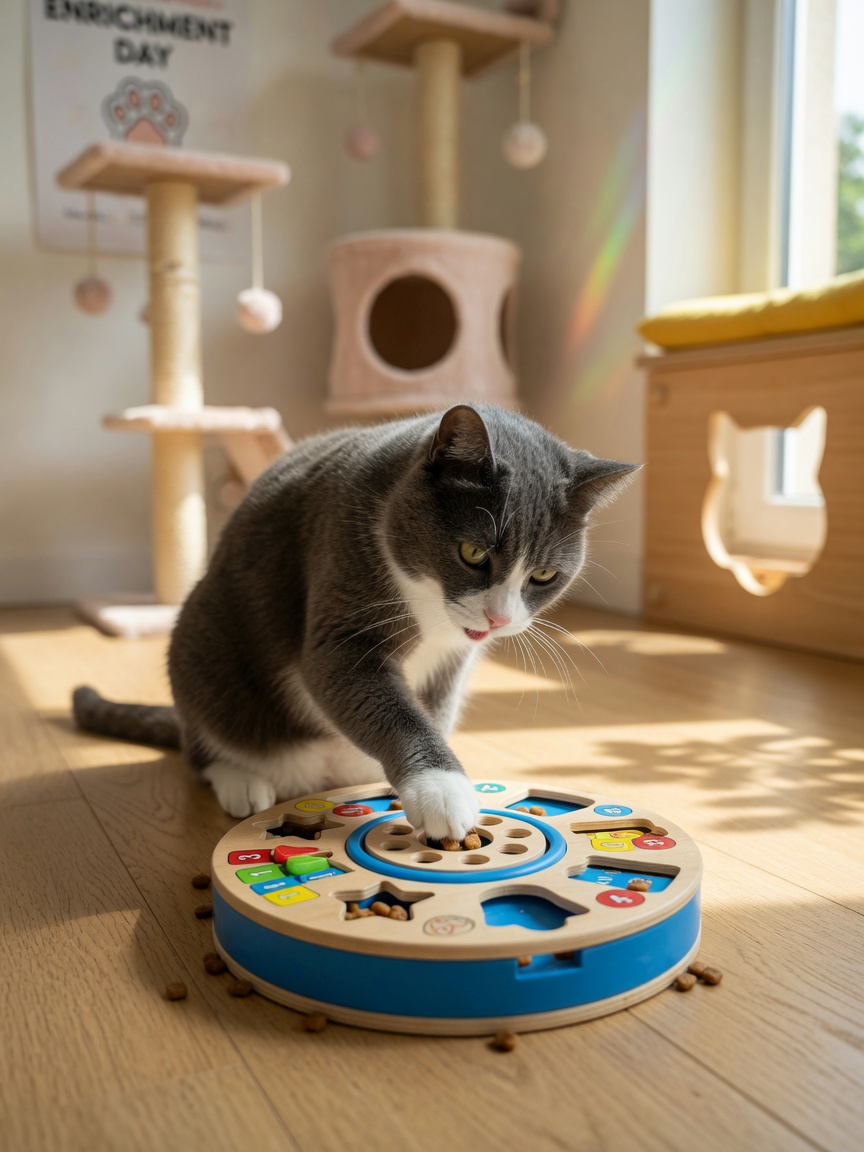
Indoor cats often experience boredom or anxiety, which can manifest as excessive eating behaviours. Food becomes entertainment and comfort. Environmental enrichment plays a vital role in preventing stress-induced eating patterns. Consider introducing:
- Interactive toys and puzzle feeders
- Climbing structures and window perches
- Regular play sessions mimicking hunting behaviours
- Vertical spaces for exploration
- Window access for visual stimulation
Puzzle feeders are particularly beneficial, as they satisfy both the hunting instinct and provide mental stimulation whilst slowing food consumption.
Weight Management and Long-Term Health
Persistent hunger combined with weight gain requires careful management to prevent obesity-related health complications. Rather than simply restricting food, focus on feeding high-protein, moisture-rich diets that promote satiety. Measure portions carefully using a kitchen scale, and ensure all household members follow the same feeding schedule to prevent accidental overfeeding.
Key Takeaways
Cat hunger is multifaceted—it's rarely just about food. By addressing evolutionary feeding patterns, ruling out medical issues, ensuring nutritional adequacy, and providing enrichment, you can significantly improve your cat's overall wellbeing. Work closely with your veterinarian to distinguish genuine hunger from behavioural patterns, and remember that a healthy, satisfied cat leads to a happier household.