
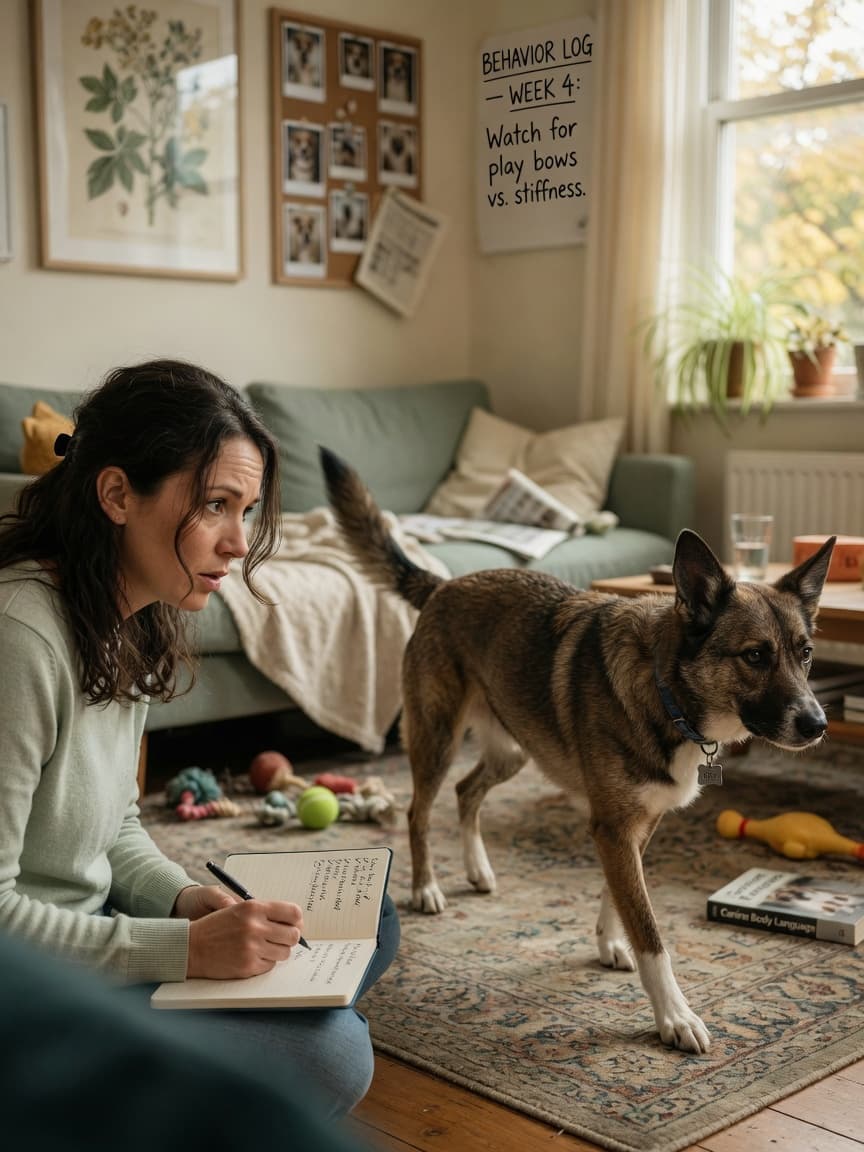
Why Assessing Canine Behaviour Is So Important
Your dog's behaviour tells a story about their physical health, emotional wellbeing, and quality of life. Yet many pet owners overlook subtle changes in conduct, assuming they're simply personality quirks or age-related shifts. In reality, understanding and regularly assessing your dog's behaviour is one of the most powerful tools you have for detecting health problems early, strengthening your bond, and ensuring they live their happiest, healthiest life.
Behaviour as a Window to Physical Health
Dogs cannot tell us when something hurts. Instead, they communicate through behaviour. Changes in how your dog moves, rests, eats, or interacts often signal underlying health issues that deserve investigation.
- Pain and discomfort: Reluctance to climb stairs, stiffness after rest, or excessive licking of specific areas may indicate arthritis, injury, or infection
- Neurological concerns: Sudden aggression, confusion, or circling can suggest seizures, cognitive decline, or neurological disease
- Digestive issues: Changes in appetite or unusual food-seeking behaviour might reflect gastrointestinal problems or metabolic conditions
- Systemic illness: Lethargy, withdrawal, or loss of interest in play often accompany infections, organ dysfunction, or hormonal imbalances
By noticing these behavioural shifts early, you can consult your veterinary surgeon promptly, potentially catching serious conditions before they progress.
Mental Health and Emotional Wellbeing
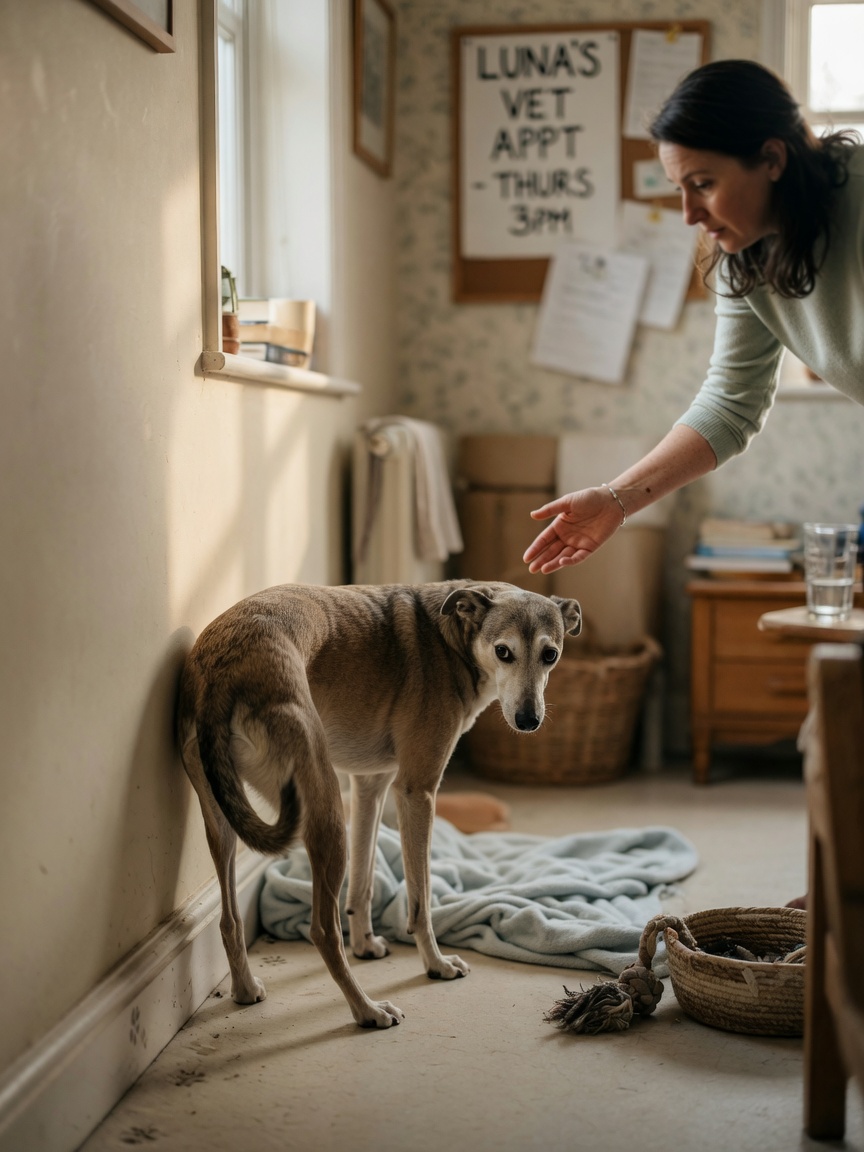
Your dog's emotional state profoundly affects their overall health. Anxiety, stress, and depression in dogs aren't merely behavioural problems—they have real physiological consequences, including weakened immunity and digestive upset.
Regular behaviour assessment helps you identify signs of distress such as:
- Excessive barking, whining, or destructive behaviour
- Avoidance, hiding, or social withdrawal
- Obsessive behaviours like repetitive chewing or pacing
- Aggression towards people or other animals
- Over-attachment or separation anxiety
Recognising these patterns allows you to implement environmental changes, enrichment strategies, or professional training support before emotional distress becomes chronic.
Early Detection of Age-Related Decline
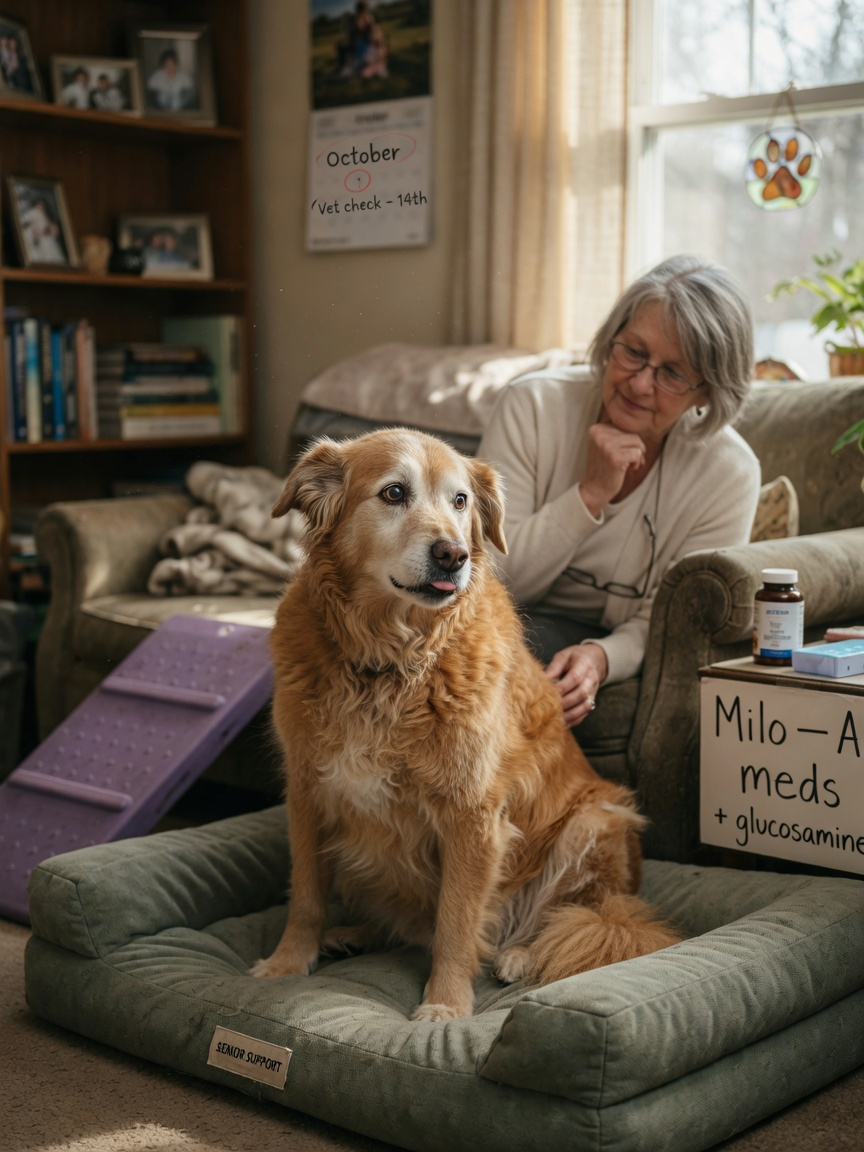
As dogs age, cognitive and physical changes are inevitable. However, distinguishing normal ageing from conditions like canine cognitive dysfunction requires careful observation. Senior dogs showing confusion, disrupted sleep patterns, or loss of housetrain reliability benefit enormously from early intervention with veterinary support, dietary adjustments, and environmental modifications.
Preventing Behavioural Problems Before They Escalate
Many serious behavioural issues begin as subtle changes. A dog showing mild resource guarding or occasional snap might progress to dangerous aggression if underlying causes—whether medical pain, anxiety, or learned behaviour—remain unaddressed. Regular assessment catches these concerns early, when intervention is most effective and safest for everyone around your dog.
Strengthening Your Human-Canine Bond
Assessing your dog's behaviour also deepens your relationship. You become attuned to their individual personality, preferences, and communication style. This attentiveness strengthens trust, improves training outcomes, and allows you to meet their specific needs more effectively.
How to Assess Your Dog's Behaviour Effectively
- Establish a baseline: Note your dog's normal activity levels, social preferences, eating habits, and sleep patterns
- Watch for changes: Document any shifts in behaviour, however minor they seem
- Keep records: Note dates, triggers, and context for concerning behaviours
- Consult professionals: Share observations with your vet or a qualified canine behaviourist
- Rule out medical causes: Always have a vet assess behavioural changes before assuming psychological causes
Key Takeaways
Your dog's behaviour is a comprehensive health report in action. By regularly observing and assessing how your canine companion acts, moves, and interacts, you're not just being a conscientious owner—you're actively protecting their physical health, emotional wellbeing, and longevity. Don't dismiss behavioural changes as mere quirks. Instead, treat them as valuable information that can guide you towards better care and earlier intervention when problems arise.