
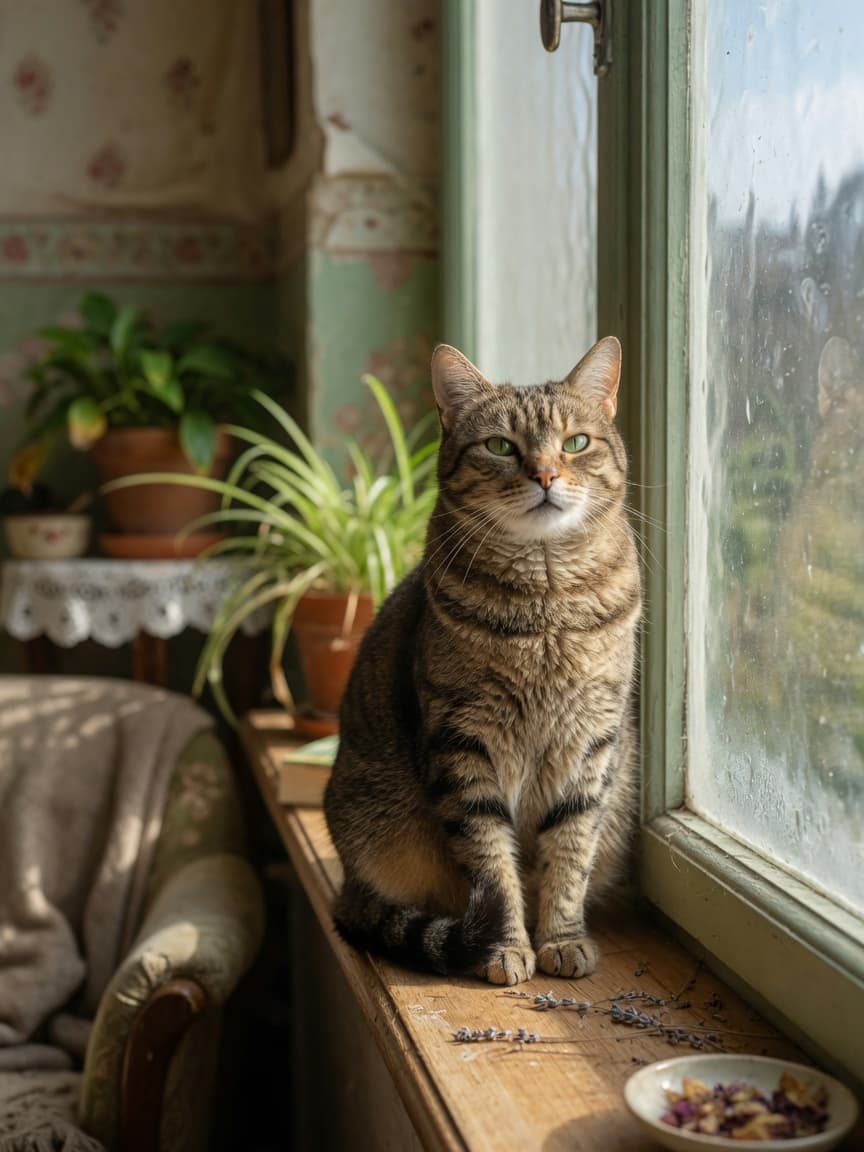
Why Cats Like Being Pet
If you've ever witnessed a cat purring contentedly whilst being stroked, you've glimpsed one of nature's most rewarding moments for pet owners. But why do cats enjoy being petted, and what's happening in their minds when they seek out your touch? Understanding the science behind feline affection helps us build stronger bonds with our beloved companions and ensures we're giving them the kind of touch they actually enjoy.
The Science of Feline Affection
When you pet your cat, you're triggering a cascade of positive biological responses. Cats have sensitive nerve endings in their skin that respond to gentle touch, releasing endorphins—the body's natural "feel-good" chemicals. This is why your cat may close their eyes, knead with their paws, or increase their purring when being stroked. Research has shown that cats' heart rates can actually decrease during petting sessions, indicating genuine relaxation and stress relief.
The act of petting also stimulates your cat's scent glands, particularly around their head and cheeks. When your feline rubs against your hand or head, they're not just enjoying the sensation—they're marking you as part of their family group by depositing their scent. This behaviour demonstrates trust and affection on a fundamental biological level.
The Sensory Experience
Not all areas of your cat's body are equally sensitive or equally appreciated. Understanding your cat's preferred touch zones can transform your petting sessions:
- Head and cheeks: Most cats adore gentle strokes around these areas, where scent glands are concentrated
- Chin and neck: Light scratches in these regions often produce enthusiastic purring
- Ears: Soft touches on the outer ears can be particularly pleasurable
- Paws and tail: Many cats are sensitive about these areas and may prefer minimal contact
- Belly: Whilst your cat may roll and expose their belly, many find direct belly touching uncomfortable
Individual Preferences Matter
Cats are individuals with distinct personalities and preferences. Some cats are naturally more affectionate and will seek out extended petting sessions, whilst others prefer brief interactions. Factors influencing your cat's petting preferences include:
- Early socialisation during kittenhood
- Breed tendencies (some breeds like Ragdolls are notably more tactile)
- Age (kittens and senior cats often enjoy different amounts of handling)
- Current emotional state and energy levels
- Previous experiences with human touch
Reading Your Cat's Signals
The best pet owners learn to read their cat's body language. Signs your cat is enjoying being petted include slow blinks, purring, relaxed ears, and gentle head bumping. Conversely, watch for warning signals such as tail twitching, skin rippling, flattened ears, or attempting to move away. Respecting these signals ensures your cat maintains positive associations with your touch and prevents frustration or aggression.
Building a Positive Touch Routine
To maximise your cat's enjoyment during petting sessions, keep interactions relatively brief—most cats prefer 5-10 minute sessions rather than prolonged handling. Use slow, gentle strokes in the direction of hair growth, and always allow your cat to initiate or withdraw from contact. Regular, predictable petting routines can actually strengthen the human-animal bond and reduce stress for both you and your feline companion.
Key Takeaways
Cats enjoy being petted because it triggers genuine neurological and emotional responses that feel pleasurable and comforting. By understanding the science behind feline affection, respecting individual preferences, and learning to read your cat's body language, you can create meaningful moments of connection. Remember that petting is ultimately a form of communication between you and your cat—one that, when done right, strengthens your relationship and contributes to their overall wellbeing and happiness.