
Why Cats Purr: History and Meaning of Purring
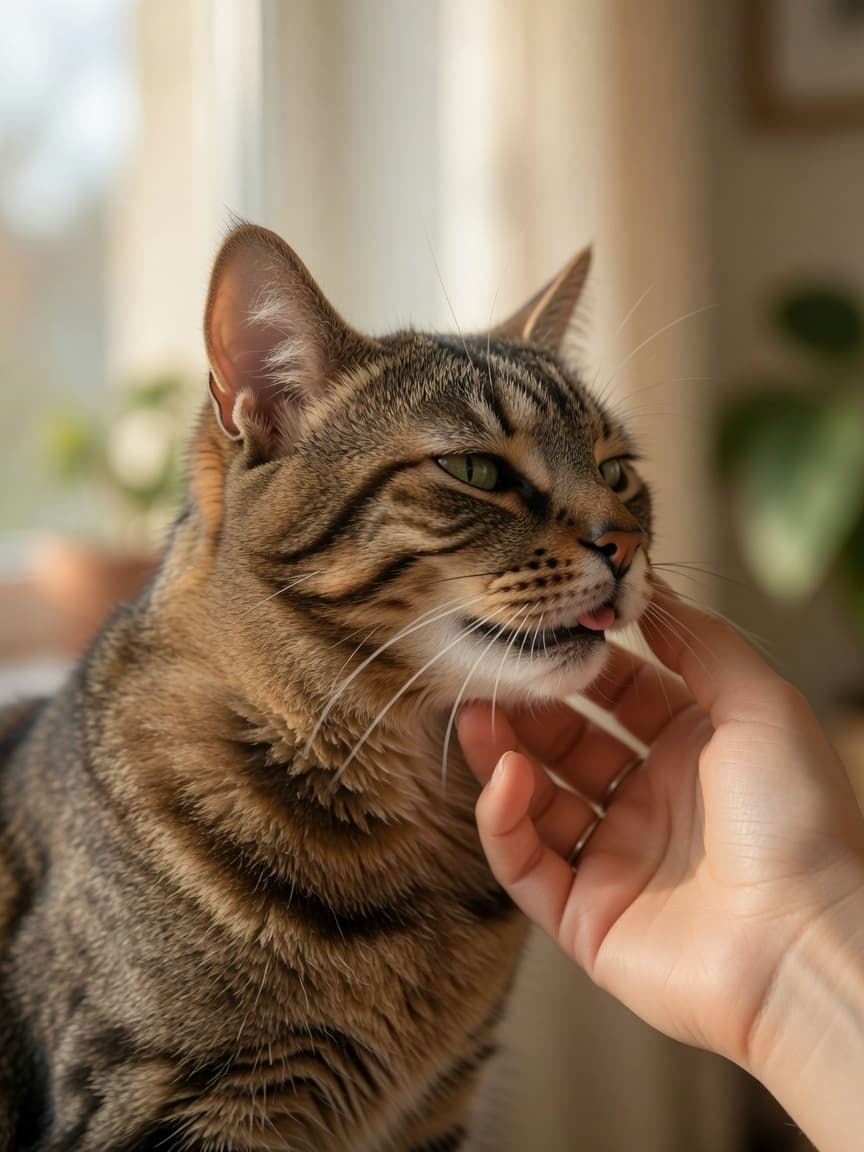
If you've ever sat with a contented cat on your lap, you've likely felt that distinctive rumbling vibration beneath your fingertips. That rhythmic purring sound is one of feline behaviour's most enchanting mysteries. For centuries, cat owners have pondered what their whiskered companions are trying to communicate through this curious vocalization. Recent scientific research has revealed that purring is far more complex and meaningful than simply indicating happiness. Understanding why your cat purrs can deepen your bond with them and help you recognise when they might need your attention or care.
The Science Behind the Purr
Purring originates from the larynx—your cat's voice box—where two small muscular folds called the ventricular folds vibrate as air passes through during breathing. This creates the distinctive purring frequency of between 25 and 150 Hertz, with most domestic cats purring at around 25 to 50 Hertz. Remarkably, this frequency range aligns closely with frequencies known to promote bone and tissue healing in mammals.
Unlike vocalizations such as meowing or hissing, purring occurs during both inhalation and exhalation, allowing cats to maintain this continuous sound. The exact neurological mechanism controlling purring involves the laryngeal muscles and a specialised neural oscillator in the brain, though scientists are still uncovering the complete picture of how this system works.
What Your Cat's Purring Actually Means
Contrary to popular belief, purring doesn't exclusively signal contentment. Cats employ purring as a sophisticated communication tool across multiple emotional and physical states:
- Pleasure and affection: Purring whilst being petted or sitting near you typically indicates your cat feels safe and happy in your presence.
- Pain relief: Injured or unwell cats often purr, possibly utilising the healing vibrations to manage discomfort.
- Maternal bonding: Mother cats purr to their kittens to encourage nursing and establish security.
- Self-soothing: Cats may purr when anxious, stressed, or ill as a calming mechanism.
- Soliciting attention: Many cats purr before meals or when seeking interaction with their owners.
The Evolutionary History of Purring
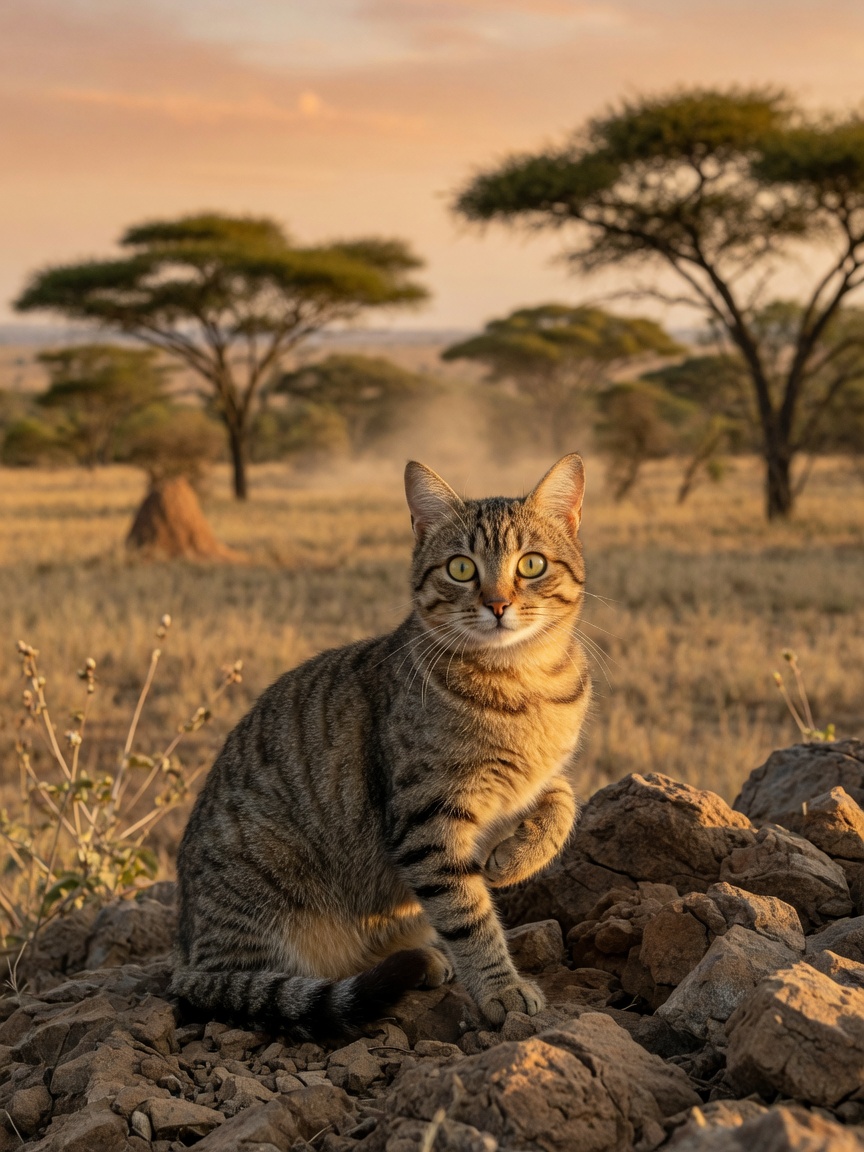
Purring evolved over millions of years as cats developed from their wild ancestors. The ability to purr is present in smaller cat species but absent in large felines like lions and tigers, which roar instead. This suggests purring developed as an efficient communication tool for cats that live in proximity to humans and other cats, rather than in solitary or territorial situations.
Domestic cats inherited purring from their wild ancestor, the African wildcat, which likely used the behaviour to communicate with offspring. As cats became domesticated—a process beginning approximately 10,000 years ago—purring became increasingly sophisticated and refined, serving as a powerful bonding mechanism between cats and their human companions.
When Purring May Signal Health Concerns
Whilst most purring is harmless and positive, excessive or unusual purring patterns occasionally warrant attention from a veterinary professional:
- Sudden increase in purring behaviour
- Purring accompanied by other symptoms like lethargy, loss of appetite, or changes in behaviour
- Purring that seems distressed rather than contentious
- Loss of ability to purr in previously vocal cats
If you notice any concerning changes, consult your vet promptly to rule out underlying health issues.
How to Respond to Your Cat's Purring
Recognising your cat's purring patterns helps you respond appropriately to their needs. When your cat purrs contentedly during petting sessions, continue providing gentle interaction and respect their boundaries if they walk away. If your cat purrs when seeking food or attention, establish consistent routines to reinforce positive interactions. Most importantly, listen carefully to your cat—each individual has unique purring patterns that, once understood, provide valuable insights into their emotional and physical wellbeing.
Key Takeaways
Purring represents one of the most sophisticated communication systems in the feline world, serving purposes far beyond simple happiness. By understanding the science, history, and varied meanings behind your cat's purring, you gain deeper insight into their needs and emotions. Pay attention to the context surrounding your cat's purring, monitor for any unusual changes, and use this knowledge to strengthen your relationship with your beloved companion. Your cat's purr is ultimately an invitation to connection—one well worth accepting and cherishing.