
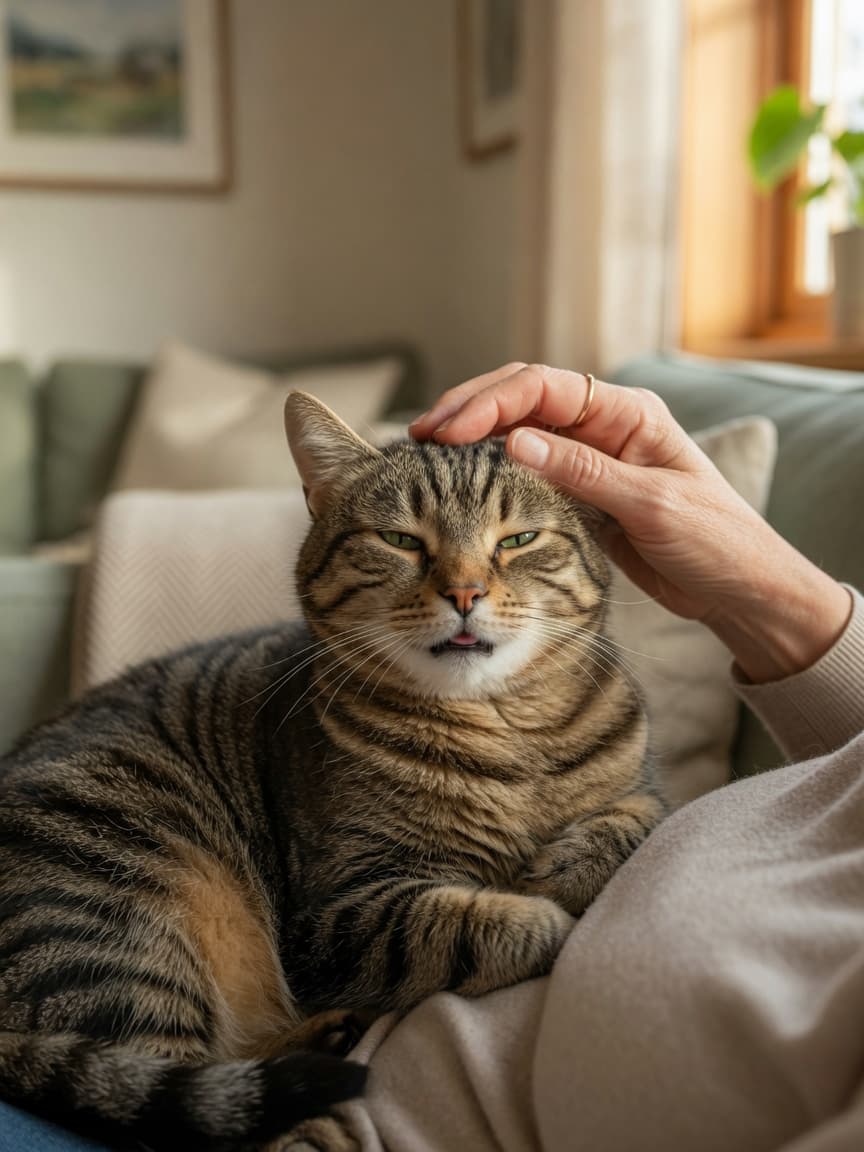
Why Do Cats Purr? 5 Meanings Behind a Purring Cat
That gentle, rhythmic rumbling emanating from your cat's throat is one of the most beloved sounds in the pet world. But have you ever wondered what your feline friend is actually trying to tell you? Whilst many of us assume purring simply means a happy cat, the reality is far more nuanced. Cats use purring as a sophisticated communication tool, and understanding what your cat is saying can deepen your bond and help you respond to their needs more effectively.
The Science Behind the Purr
Before we explore the different meanings, it's worth understanding how cats actually purr. The purring mechanism involves rapid vibrations of the larynx (voice box) muscles, occurring at a frequency of approximately 25 hertz. This involuntary muscular activity creates the distinctive sound we find so comforting. Research suggests that purring isn't just a vocal expression—the vibrations themselves may have therapeutic benefits for cats, promoting bone healing and muscle development.
1. Contentment and Affection
The most common interpretation of purring is, as you'd expect, contentment. When your cat settles on your lap, kneads with their paws, and purrs loudly, they're expressing satisfaction and affection. This is the purr you'll typically hear during:
- Gentle stroking sessions
- Being held comfortably
- Relaxing in their favourite sunny spot
- Sitting near you whilst you work
In these moments, your cat is genuinely happy and trusts you completely.
2. Seeking Food or Attention

Cats are remarkably manipulative—in the best way possible. Many cats have learned that purring is an effective way to get what they want. That insistent purring combined with weaving around your ankles at dinner time? Your cat is deliberately using their purr as a request mechanism. Researchers have identified that cats often incorporate a high-pitched "solicitation purr" into their regular purring specifically designed to trigger our nurturing instincts.
3. Self-Soothing During Stress
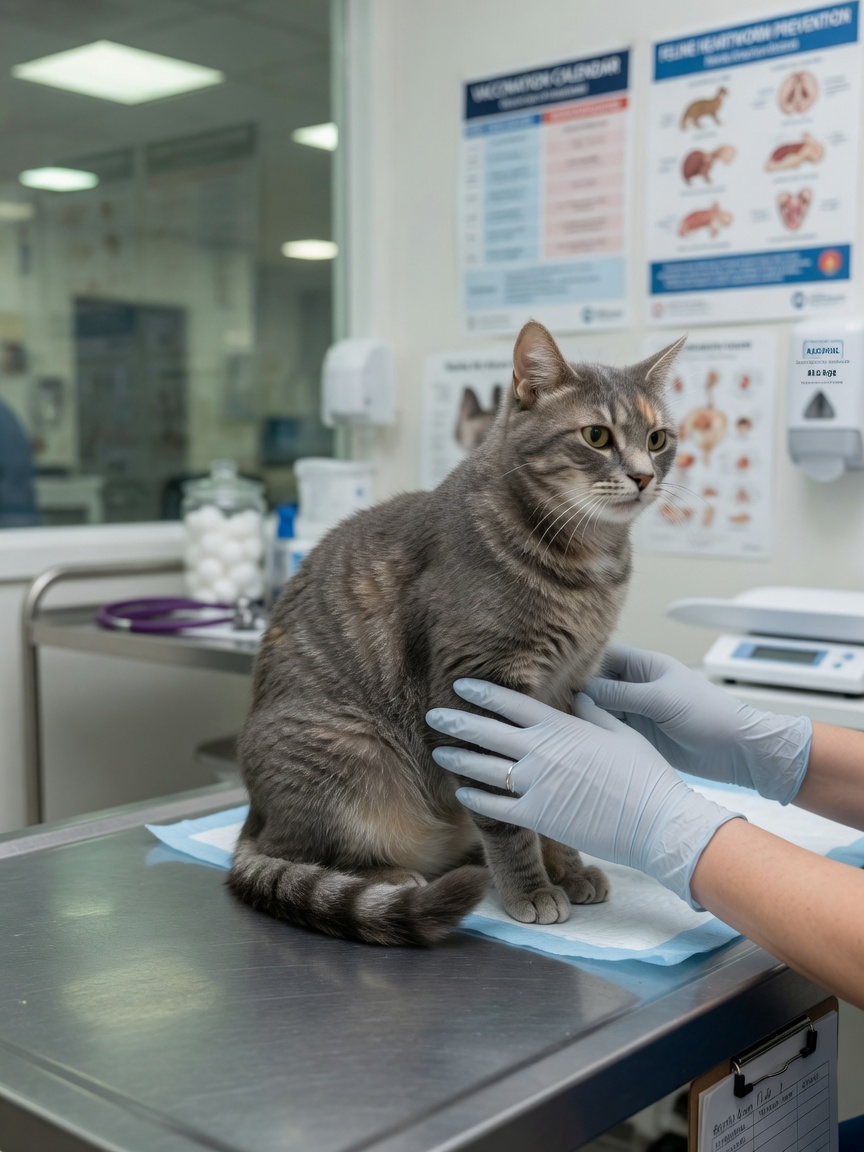
Perhaps surprisingly, cats don't only purr when happy. They also purr when anxious, frightened, or in pain. You might notice your cat purring whilst at the veterinary clinic or during a thunderstorm. In these situations, the vibrations appear to have a calming effect, helping your cat self-regulate during stressful situations. This is an important distinction—context matters when interpreting your cat's purr.
4. Marking Territory and Social Bonding
When your cat rubs their face against your leg whilst purring, they're doing more than expressing affection. They're depositing scent glands from their cheeks onto you, essentially marking you as part of their social group. Purring during this behaviour reinforces the social bond and communicates ownership and belonging within their feline family unit.
5. Healing and Maternal Communication
Mother cats purr to their kittens immediately after birth, and kittens purr back as a survival mechanism. This early communication helps establish the maternal bond. Additionally, the vibrational frequency of purring may assist in healing processes, which is why cats often purr when recovering from illness or injury.
How to Interpret Your Cat's Purr
The key to understanding your cat's purr is observing the complete context:
- Body language: A relaxed cat with slow blinks and soft eyes purring is content. A tense, rigid cat purring may be stressed.
- Situation: Is your cat at the vet's office or on your couch? Context changes meaning.
- Intensity: Gentle purring often indicates contentment, whilst frantic purring might suggest agitation.
- Duration: Brief purrs may indicate acknowledgement, whilst prolonged purrs typically mean deep relaxation.
Key Takeaways
Whilst a purring cat is generally a positive sign, remember that purring is a multifaceted communication tool. Your cat uses purring to express contentment, request attention, self-soothe, bond socially, and potentially aid healing. By paying attention to the full picture—your cat's body language, environment, and behaviour—you'll become fluent in feline communication. This understanding transforms you from a pet owner into a true cat parent who genuinely comprehends what their beloved companion is trying to convey. The next time your cat purrs, take a moment to observe the complete context and appreciate the sophisticated way your feline friend communicates with the world.