
Why Does My Dog Stink? - Whole Dog Journal
If your beloved canine companion has started smelling less like a furry friend and more like a compost bin, you're not alone. Dog odour is one of the most common complaints pet owners bring to their vets, and the good news is that it's usually preventable. Whether it's a yeasty smell, a fishy odour, or that distinctive "wet dog" stench, understanding the root cause is the first step towards a fresher-smelling pup. In this comprehensive guide, we'll explore the science behind dog odour and what you can do about it.
The Science of Canine Odour
Dogs have a unique skin microbiome—a complex community of bacteria and yeast that lives on their skin. Unlike humans, dogs are naturally more fragrant because their skin pH is more neutral (around 6.5) compared to our acidic skin (around 4.5). This difference creates an environment where certain microorganisms thrive. When the balance of this microbiome becomes disrupted, odour-causing bacteria and yeast can multiply, resulting in that distinctive stink.
Common Causes of Dog Odour
Skin Infections and Yeast Overgrowth
The most frequent culprit behind dog odour is an overgrowth of yeast (typically Malassezia), which produces a distinctly yeasty, corn chip-like smell often called "Frito Paws." This commonly occurs in dogs with allergies, those living in humid climates, or breeds with skin folds. Secondary bacterial infections can also develop, creating a more pungent odour. These conditions typically require veterinary attention.
Poor Grooming and Hygiene
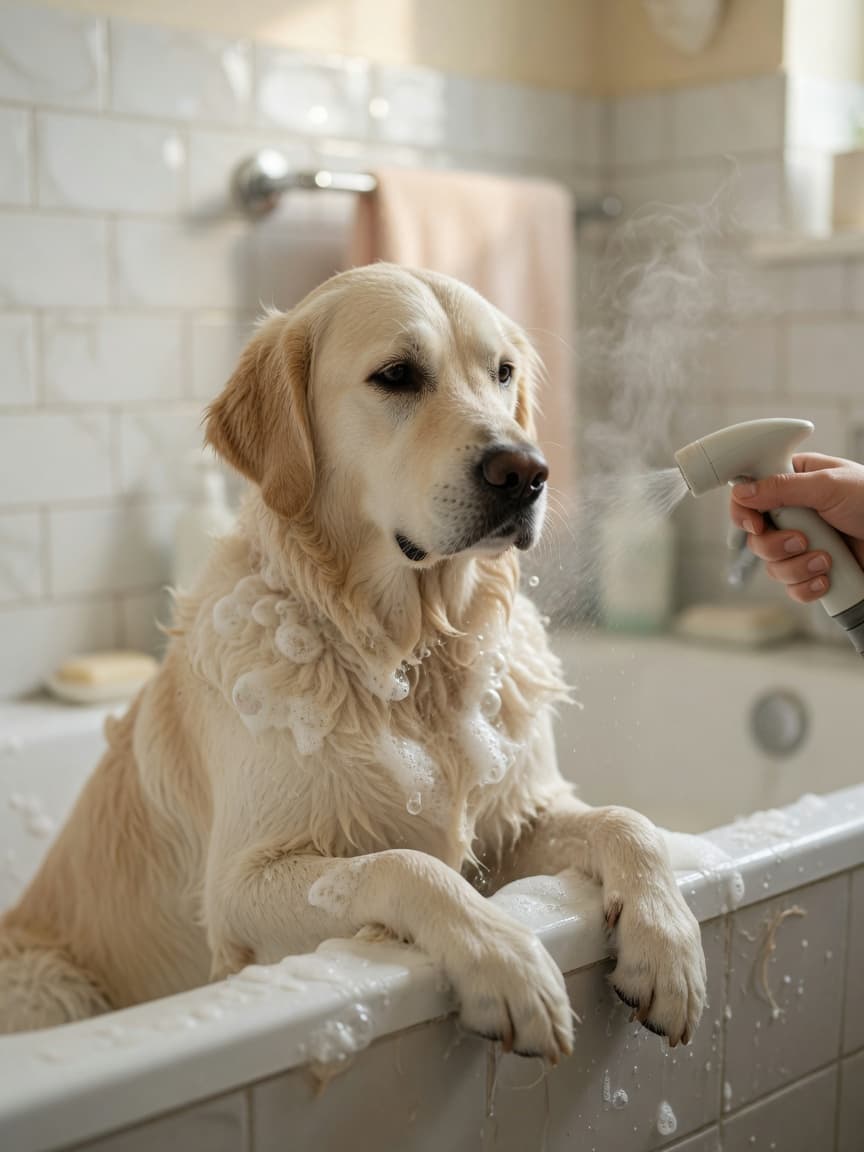
Regular bathing helps remove dead skin cells, excess oils, and trapped moisture. Dogs that aren't bathed regularly (or are bathed too infrequently) can develop musty odours. However, over-bathing can strip natural oils and damage the skin barrier, worsening odour problems.
Ear Infections
A particularly unpleasant smell emanating from your dog's ears often indicates infection. Dogs with floppy ears or those prone to water in their ears are especially susceptible. Bacterial or yeast infections require prompt veterinary treatment.
Anal Gland Issues
The anal glands produce a distinctly fishy smell when they become impacted or infected. This is often accompanied by scooting or excessive licking of the rear area.
Diet and Digestive Issues
Low-quality diets or digestive sensitivities can lead to malodorous breath and body odour. Poor digestion creates an imbalance in the gut microbiome, which manifests through the skin.
Environmental and Lifestyle Factors
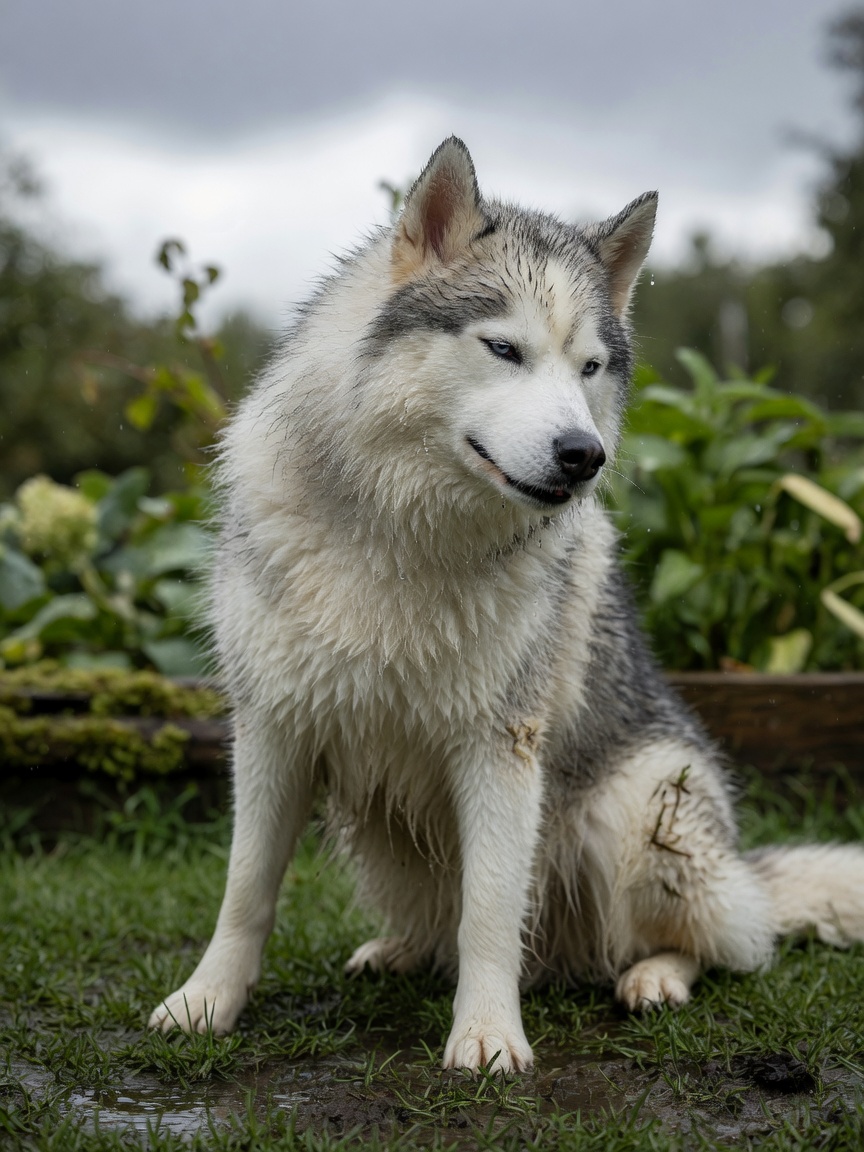
- Humidity and moisture: Dogs living in damp environments or those that swim frequently are prone to bacterial overgrowth
- Wet fur: Moisture creates an ideal breeding ground for odour-causing microorganisms
- Obesity: Overweight dogs have skin folds and reduced air circulation, trapping bacteria
- Age: Senior dogs may develop stronger odours due to declining skin health and immune function
Solutions to Freshen Your Dog
Establish a Regular Grooming Routine
Bathe your dog every 4-12 weeks using a gentle, pH-balanced shampoo formulated for dogs. The frequency depends on breed, coat type, and lifestyle. Use warm (not hot) water and ensure thorough drying, particularly in skin folds and between the toes.
Consult Your Vet
If odour persists despite regular grooming, schedule a veterinary check-up. Your vet can diagnose skin infections, food allergies, or systemic issues that might be contributing to the smell.
Improve Diet Quality
Feed a high-quality, complete diet with appropriate omega-3 fatty acids to support skin health. Ask your vet about prescription diets if your dog has food sensitivities.
Manage Moisture
Dry your dog thoroughly after bathing or swimming. Consider using absorbent cloths or towels to prevent trapped moisture.
Key Takeaways
Dog odour isn't something you need to simply tolerate. By understanding the underlying causes—whether bacterial imbalance, poor hygiene, or medical conditions—you can take targeted action. Start with a consistent grooming routine using appropriate products, ensure good diet quality, and don't hesitate to seek professional veterinary advice if odour problems persist. A fresher-smelling dog is usually a healthier dog, so it's worth investigating.