
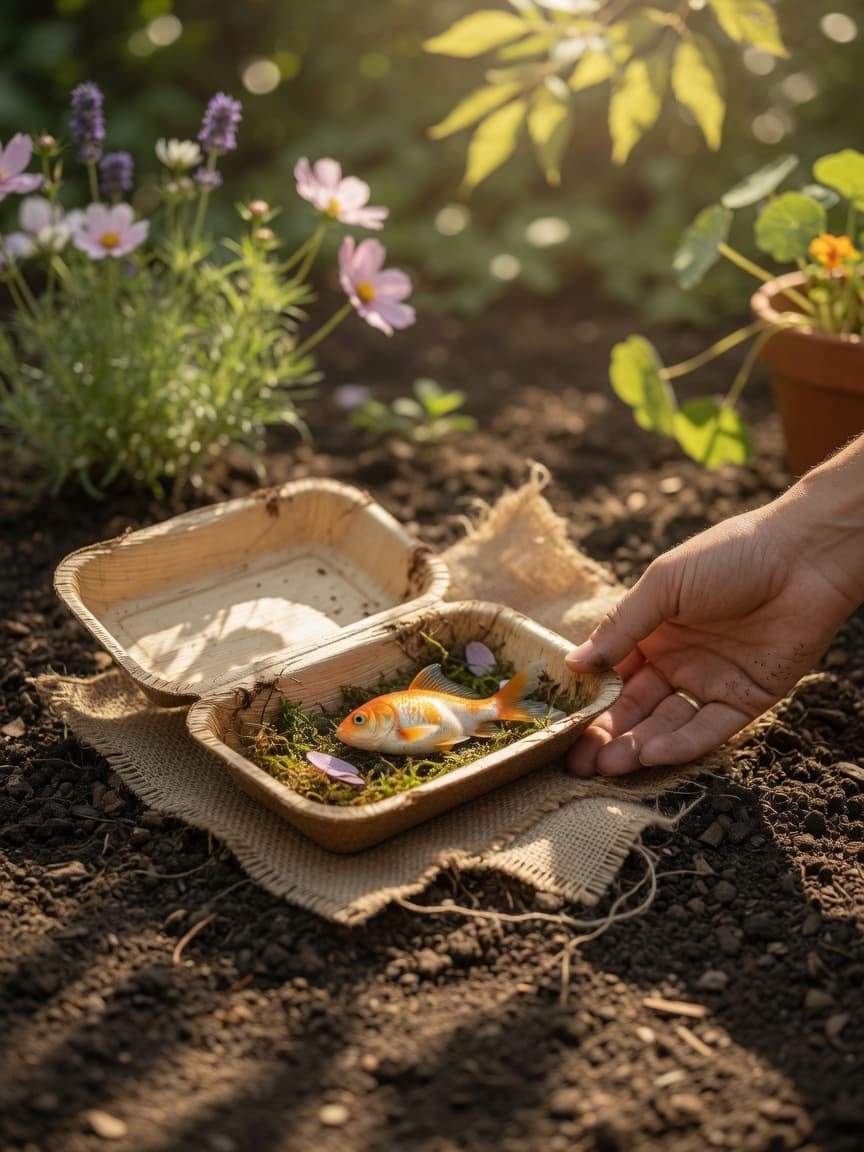
Why Flushing Your Fish is Not an Option
When a beloved pet fish dies, the instinct to flush it down the toilet might seem like the quickest and most dignified solution. However, this common practice is causing significant environmental damage that extends far beyond your bathroom. As a nutritionist and pet health advocate, I'm here to explain why this seemingly harmless act is harming our waterways and what responsible alternatives exist for honouring your pet's memory.
The Environmental Impact of Flushing Fish
Flushing a deceased fish introduces non-native species into our sewage systems and, ultimately, into local water bodies. Fish waste systems can sometimes bypass water treatment facilities, particularly during heavy rainfall or system overloads. When exotic aquarium fish enter rivers and lakes, they become invasive species that disrupt delicate ecosystems.
Even standard freshwater fish species can cause problems. They compete with native species for resources, introduce parasites and diseases, and alter the natural balance of local habitats. Additionally, any chemicals remaining in the aquarium water—including ammonia, nitrates, and medications—are also released into our waterways, contributing to pollution.
Why Your Local Water Treatment Cannot Handle Aquarium Fish
Many people assume water treatment facilities will safely dispose of flushed fish. Unfortunately, this is not guaranteed:
- Modern treatment plants focus on removing solids and certain chemicals, not on neutralising organic matter from tropical species
- Some fish species can survive treatment processes and reach rivers alive
- Medications used in aquariums—such as antiparasitic and antibiotic treatments—may not be fully broken down by standard processes
- Peak periods can cause system failures, allowing untreated water to flow directly into natural waterways
Responsible Disposal Methods
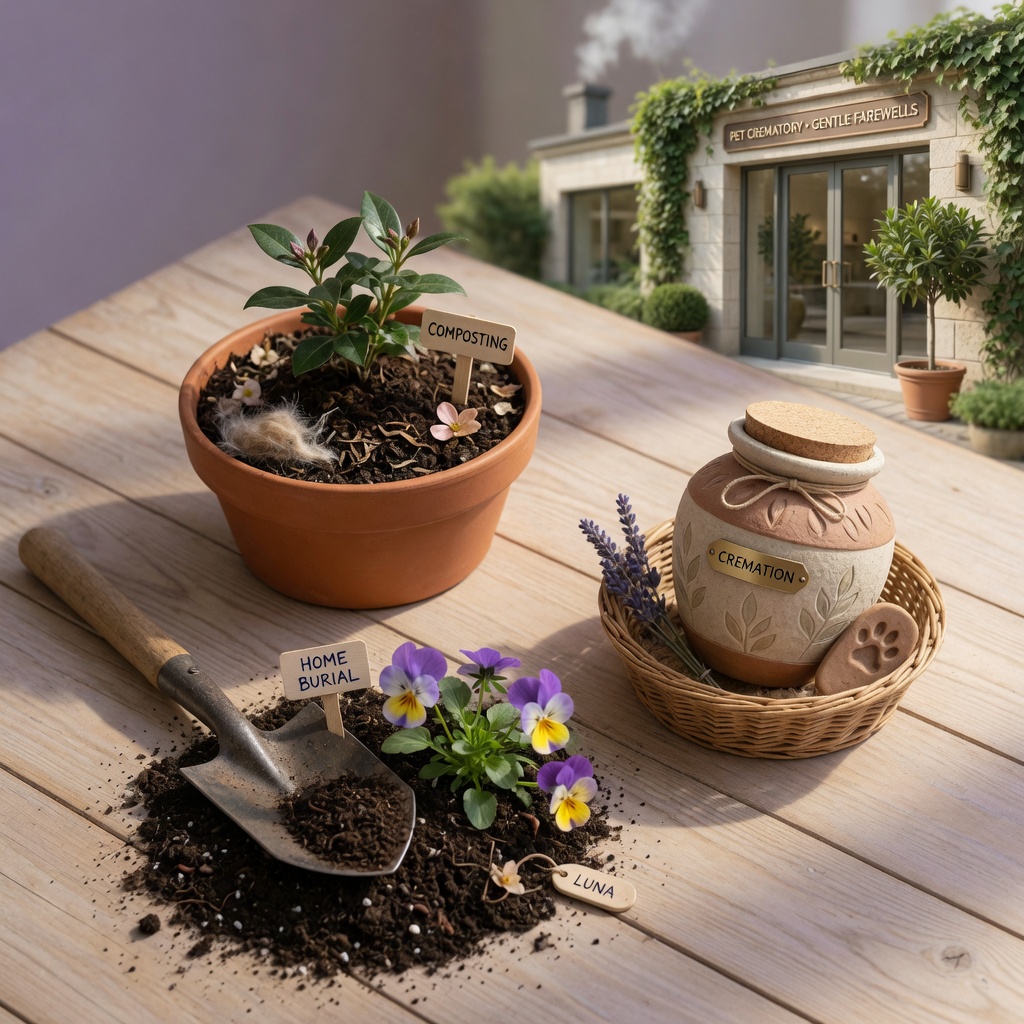
Fortunately, several dignified and environmentally responsible alternatives exist:
- Home Burial: Bury your fish in your garden in a biodegradable container or wrapped in natural material. Choose a location away from water sources and vegetable gardens. This returns nutrients to the soil naturally.
- Pet Cremation Services: Many UK pet crematoriums now offer services for small animals, including fish. Your pet receives individual cremation and you can collect the ashes.
- Local Animal Sanctuaries: Some wildlife centres and aquariums accept deceased fish for composting programmes.
- Aquarium Shops: Certain pet retailers have partnerships with disposal services specifically designed for aquatic pets.
- Home Composting: Fish can be safely composted in dedicated compost systems (not standard garden compost) and later used for non-edible plants.
Teaching Children About Responsible Pet Care
How we handle the loss of a pet teaches children invaluable lessons about environmental responsibility and respect for life. By choosing proper disposal methods, you demonstrate that every creature—regardless of size—deserves dignified treatment and that our actions have ecological consequences.
Key Takeaways
Flushing fish is not merely an inconvenient habit; it represents a real threat to our aquatic ecosystems and contributes to invasive species problems across Europe. By choosing burial, cremation, or professional disposal services, you protect local waterways whilst honouring your pet's memory appropriately.
Before your next fish purchase, research disposal options in your area. Many communities now offer resources specifically for this purpose. Your small choice to dispose responsibly can inspire others and collectively make a meaningful difference to environmental conservation.