
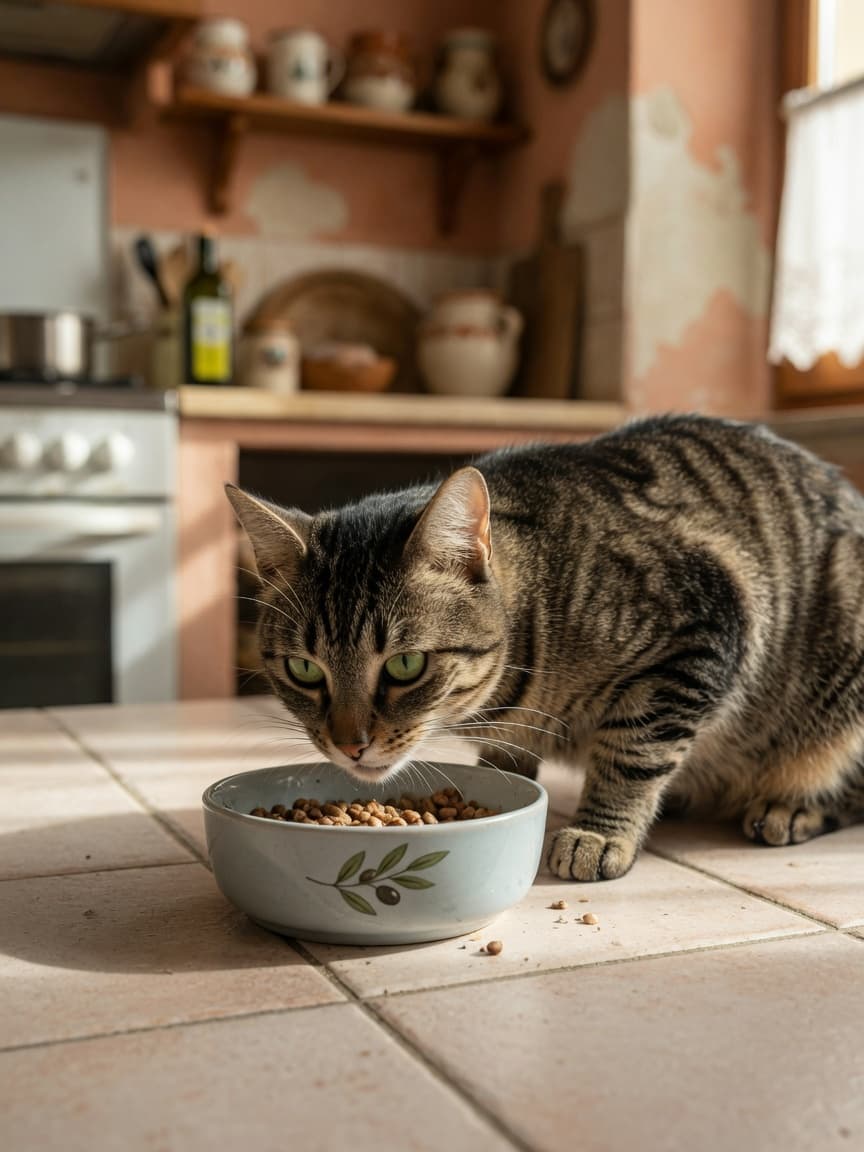
When a Good Appetite Is Not the Whole Story
A cat who eats well but steadily loses weight is one of the more unsettling things an owner can notice. It seems contradictory, yet it is one of the most common presentations that prompts a feline veterinary visit. The body is absorbing insufficient nutrition, losing more than it takes in, or burning through resources at an abnormal rate. Several distinct conditions produce this pattern, and identifying the correct one requires a proper clinical assessment.
Hyperthyroidism
This is the single most common cause of weight loss with maintained or increased appetite in cats over seven years of age. An overactive thyroid gland accelerates metabolism dramatically, meaning the cat burns calories faster than food can replace them. Alongside weight loss, affected cats are often restless, vocalise more, drink more water, and may have a visibly unkempt coat. Blood tests confirming elevated thyroid hormone levels are diagnostic. Treatment options include daily medication, a prescription low-iodine diet, radioactive iodine therapy, or surgery, each with different practical considerations to discuss with your vet.
Diabetes Mellitus
Feline diabetes impairs the body's ability to use glucose for energy, so cells signal hunger even when the cat is eating. The body begins breaking down fat and muscle instead. Weight loss with increased appetite, combined with excessive thirst and frequent urination, is a classic presentation. Diabetes in cats is highly manageable with insulin therapy and dietary adjustment, and some cats even achieve remission with early intervention and appropriate feeding. Diagnosis requires blood and urine testing.
Inflammatory Bowel Disease
Chronic inflammation of the gastrointestinal tract interferes with nutrient absorption. Even a cat eating generous portions may absorb only a fraction of the nutritional value. Inflammatory bowel disease often presents with intermittent vomiting, diarrhoea, or both alongside the weight loss. Diagnosis typically involves blood work, imaging, and in many cases intestinal biopsy. Treatment with corticosteroids, dietary modification, or both can produce significant improvement.
Intestinal Lymphoma
Lymphoma of the small intestine is unfortunately common in older cats and clinically resembles inflammatory bowel disease. Weight loss with a variable appetite, vomiting, and lethargy are typical signs. Distinguishing between the two conditions often requires advanced diagnostics including biopsy and immunohistochemistry. Low-grade intestinal lymphoma in cats carries a considerably better prognosis than high-grade disease and often responds to chemotherapy protocols that owners find manageable.
Intestinal Parasites
Though more commonly associated with younger cats, intestinal parasites including roundworms, hookworms, and giardia can cause weight loss in adult cats by competing for nutrients and damaging the gut lining. Cats who hunt, go outdoors, or live in multi-cat households carry the highest risk. A faecal examination will identify most parasites, and treatment is straightforward once the cause is confirmed.
Exocrine Pancreatic Insufficiency
Less common in cats than in dogs, exocrine pancreatic insufficiency occurs when the pancreas fails to produce sufficient digestive enzymes. Food passes through largely undigested. Affected cats are often ravenously hungry, lose weight despite eating large amounts, and produce voluminous, pale, malodorous faeces. A specific blood test measuring feline trypsin-like immunoreactivity confirms the diagnosis. Treatment with enzyme supplementation added to meals is usually very effective.
Dental Pain Affecting Intake
This one is more nuanced. A cat with severe dental disease may appear to eat but is actually consuming far less than normal due to pain. They approach the bowl, attempt to eat, and either abandon the meal or chew on one side only. Owners often interpret this as eating normally. A thorough dental examination under sedation may reveal significant disease that, once treated, allows the cat to eat properly and regain weight.
What to Do and When
Weight loss of more than 10% of body weight, or any weight loss that continues over two to three weeks, warrants a veterinary appointment. Bring any information you have about appetite, stool consistency, water intake, and behaviour changes, as this history helps the vet prioritise diagnostics efficiently.
- Weigh your cat monthly using a consistent method and note the results
- Watch for changes in thirst, urination frequency, and stool character
- Do not assume an eating cat is a healthy cat if weight loss is occurring
- Seek veterinary assessment promptly, as many causes respond well to early treatment
- Ask your vet about a senior health screen if your cat is over eight years old, as routine bloods catch several of these conditions before symptoms become severe
A cat losing weight despite eating is always telling you something. The seven conditions above are the most common explanations, but only proper diagnostics can confirm the cause and guide treatment. Early investigation gives the best chance of a good outcome.