
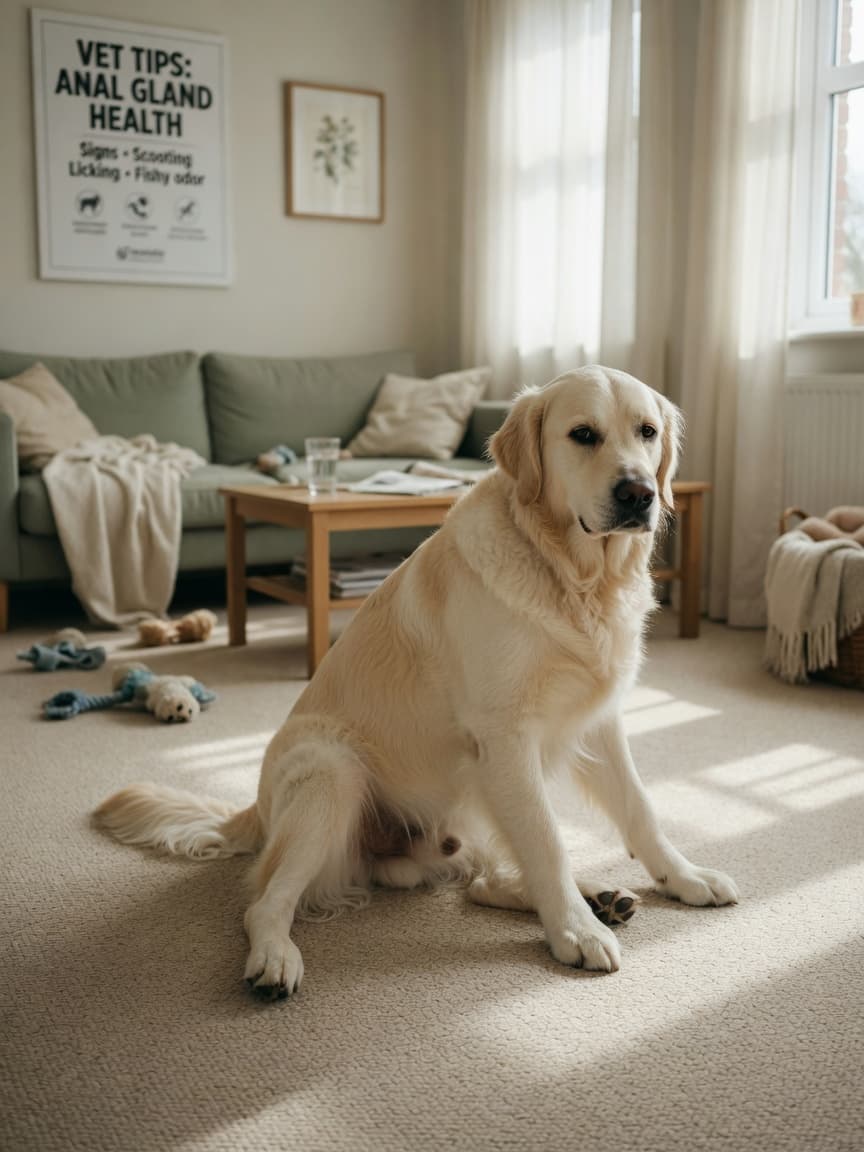
Why Is My Dog Dragging Its Bottom?
If you've noticed your dog scooting across the carpet or dragging their bottom along the ground, you're not alone. This behaviour, whilst sometimes amusing, can indicate an underlying health issue that deserves your attention. Understanding the causes behind this common canine behaviour will help you determine whether a simple home remedy or a veterinary visit is needed.
Anal Gland Issues: The Most Common Culprit
The most frequent reason dogs drag their bottoms is problems with their anal glands. These small pouches, located on either side of your dog's anus, produce a distinctive scent marking fluid. When they become irritated, infected, or impacted, your dog experiences discomfort and will drag their bottom to relieve the pressure.
Signs that anal gland problems may be present include:
- Excessive licking or biting at the rear end
- A fishy odour coming from your dog
- Visible swelling around the anus
- Difficulty defecating or straining
- Repeated scooting behaviour
Many dogs, particularly smaller breeds, require regular anal gland expression. Your veterinarian can demonstrate how to do this at home, or you can bring your dog in for professional expression every 4-8 weeks.
Intestinal Parasites and Worm Infestations
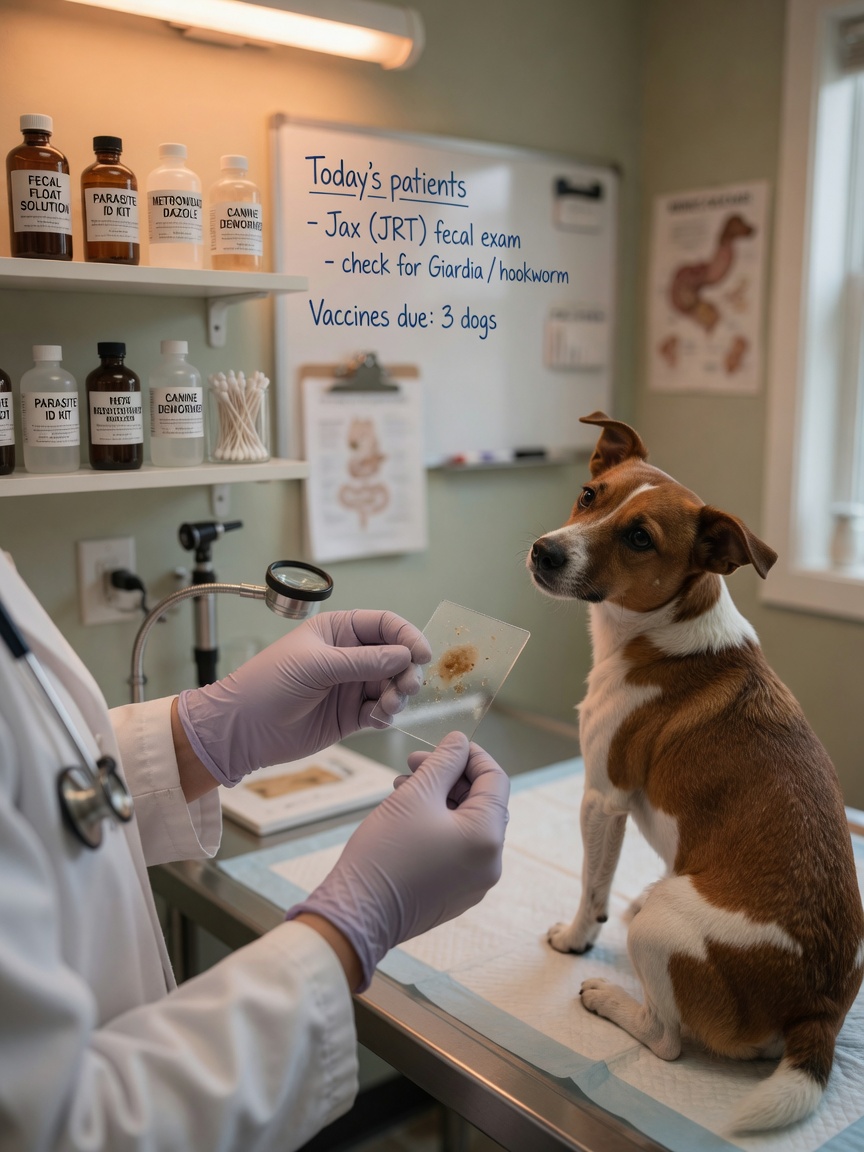
Worms and other parasites cause irritation in your dog's digestive tract, leading to itching around the anus. Tapeworms, in particular, often result in the classic bottom-dragging behaviour. You may even notice rice-like segments in your dog's faeces or around their rear end.
Protect your dog with regular worming treatments, typically administered every 3 months for adult dogs. Puppies require more frequent treatments. Ask your vet about the most appropriate worming schedule for your pet's age and lifestyle.
Skin Infections and Allergies
Fungal or bacterial infections around the anal area, or allergies affecting the skin, can cause significant itching. Dogs with food allergies or environmental allergies may develop secondary skin infections that manifest as scooting behaviour.
If your dog also exhibits symptoms such as frequent scratching elsewhere, red or inflamed skin, or ear infections, allergies or dermatitis may be the underlying cause. Your vet can perform skin tests or allergy investigations to identify the specific trigger.
When to Contact Your Vet
Whilst occasional scooting might resolve itself, persistent or worsening behaviour warrants professional attention. Schedule a veterinary appointment if:
- The behaviour continues for more than a few days
- Your dog shows signs of pain or distress
- You notice discharge, bleeding, or swelling
- Your dog has difficulty defecating
- The scooting is accompanied by other symptoms like vomiting or diarrhoea
Home Care and Prevention
Maintaining your dog's digestive health is essential for preventing many scooting-related issues. Ensure your dog eats a high-fibre diet, as adequate fibre helps express anal glands naturally during normal bowel movements. Encourage regular exercise and provide plenty of fresh water.
Keep your dog's bottom clean and dry, especially if they have long hair around the rear end. Regular bathing and grooming can prevent matting and skin irritation.
Key Takeaways
Dog scooting is rarely a cause for panic, but it should never be ignored. Anal gland problems, parasites, and skin conditions are the most common causes, and all are easily addressed with appropriate veterinary care. By maintaining a good preventative healthcare routine—including regular worming, fibre-rich nutrition, and grooming—you can significantly reduce the likelihood of this uncomfortable behaviour. If you're concerned, your vet is your best resource for diagnosis and treatment.