
Why Is My Dog Losing Hair? - Whole Dog Journal
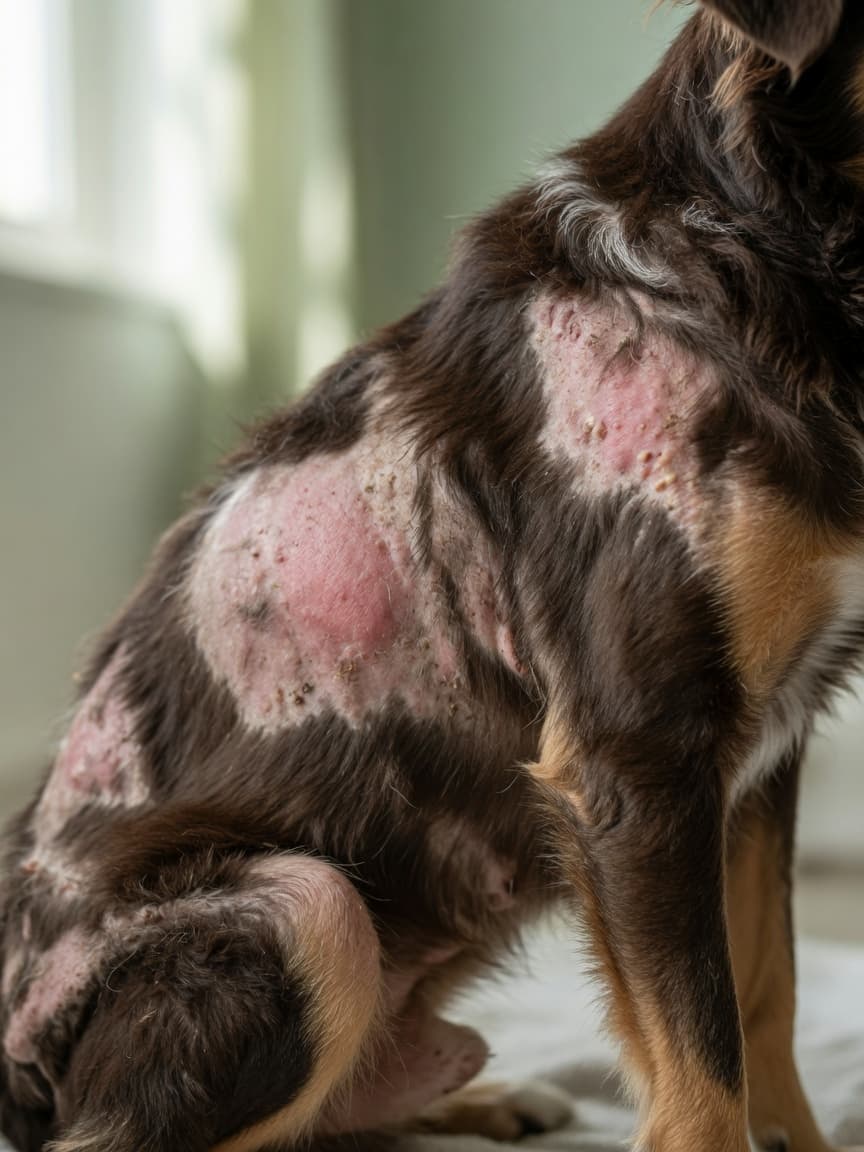
Hair loss in dogs—medically known as alopecia—is one of the most common concerns pet owners bring to their veterinarian. Whether you're noticing bald patches, excessive shedding, or thinning fur, discovering your beloved companion's coat deteriorating can be genuinely worrying. The good news? Hair loss is rarely a sign of something untreatable, though identifying the underlying cause is essential for proper management. This article explores the most common reasons why your dog might be losing hair and what you can do about it.
Parasitic Infestations
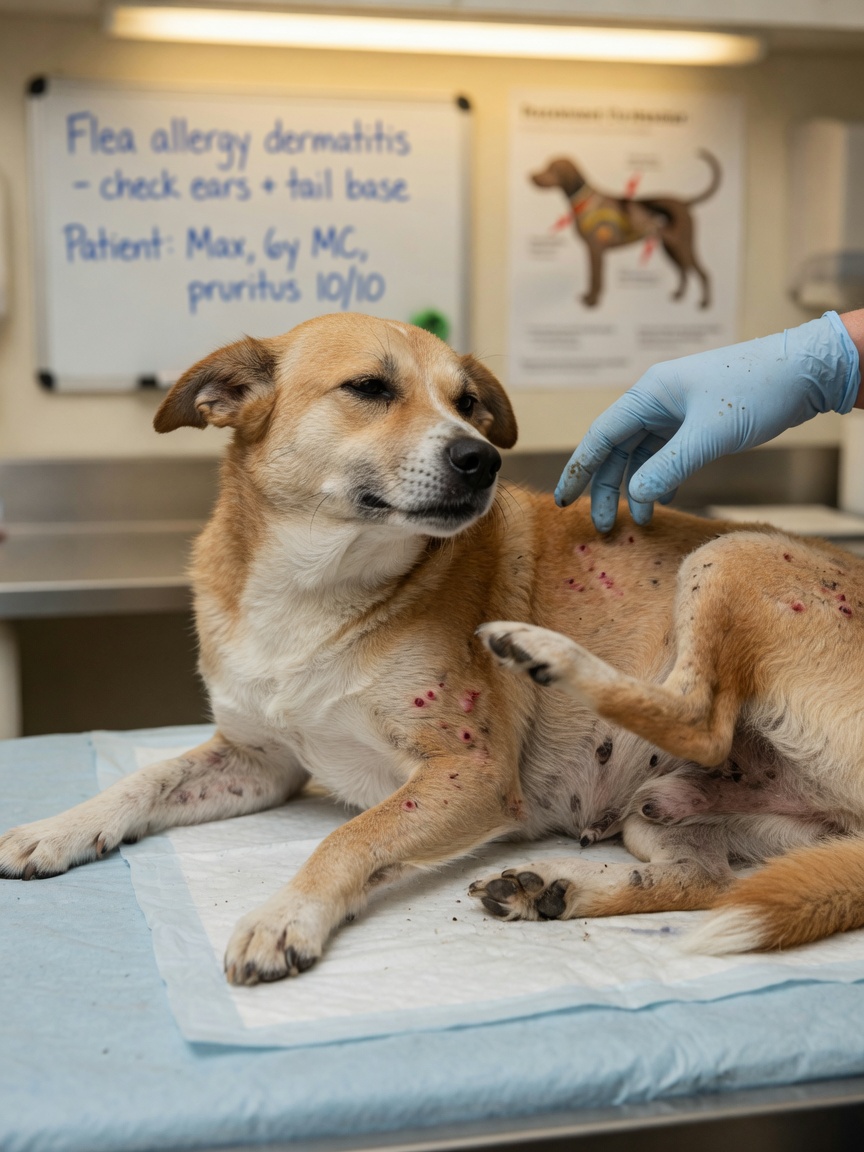
Parasites are among the leading culprits behind canine hair loss. Even if you don't spot fleas directly, a single flea bite can trigger an allergic reaction in sensitive dogs, leading to significant hair loss through excessive scratching and biting.
- Fleas: The most common parasite; cause itching and secondary hair loss from self-trauma
- Mites: Demodex and Sarcoptes mites burrow into the skin, causing patchy hair loss and intense itching
- Lice: Less common but still cause irritation and noticeable hair thinning
Regular parasite prevention year-round is your best defence. Even indoor dogs can contract parasites, so discuss appropriate preventative treatments with your veterinarian.
Allergies and Food Sensitivities
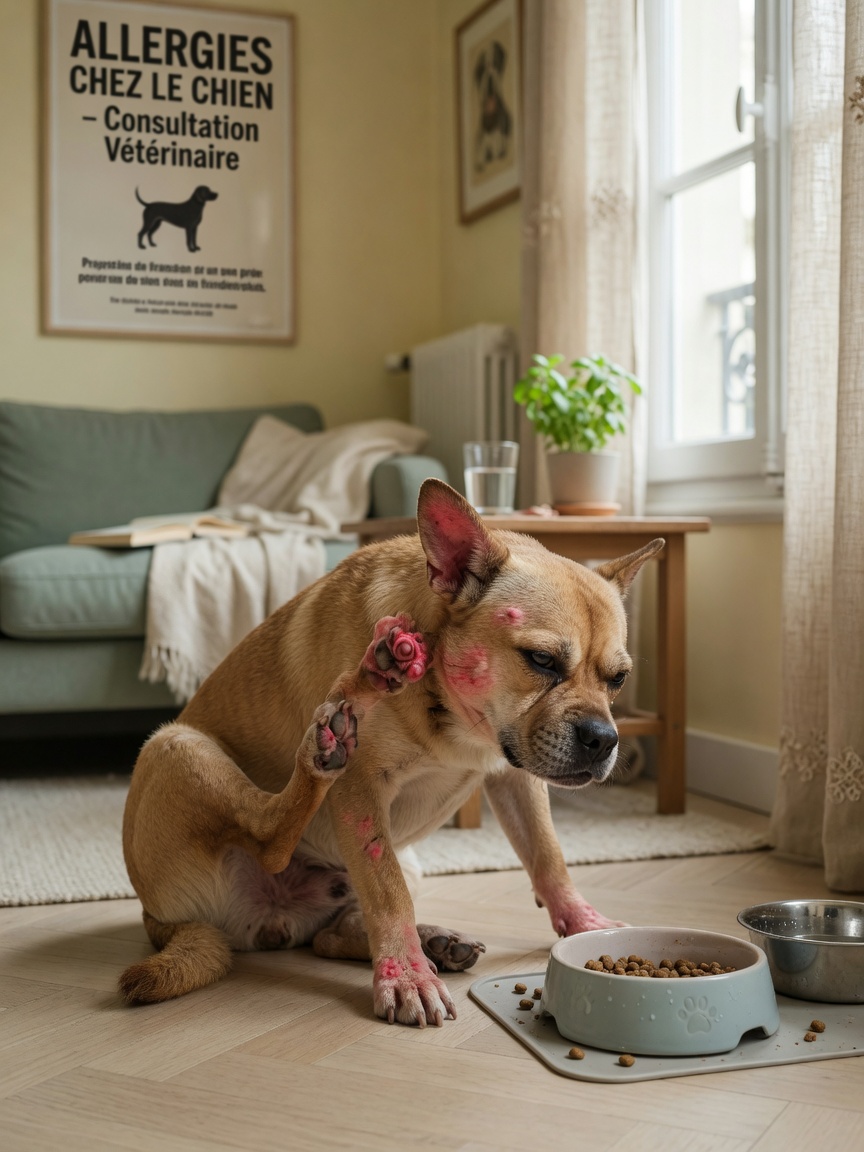
Dogs suffer from allergies much like humans do, and they frequently manifest through coat problems rather than respiratory issues. Allergic reactions cause inflammation and itching, which then leads to hair loss through constant scratching.
Common allergens include beef, wheat, corn, and environmental factors like dust mites or pollen. If your dog's hair loss is accompanied by red, inflamed skin, ear infections, or itching paws, allergies are likely suspect. An elimination diet under veterinary guidance can help identify food triggers, whilst air filtration and regular bathing may alleviate environmental allergies.
Hormonal Imbalances
Hormonal conditions create distinctive patterns of hair loss, often appearing symmetrical on both sides of the body. Common hormonal causes include:
- Hypothyroidism: An underactive thyroid slows metabolism and weakens hair growth
- Cushing's Syndrome: Excessive cortisol production causes thinning coat, increased thirst, and weight gain
- Sex hormone imbalances: Spaying or neutering can occasionally trigger alopecia in certain breeds
These conditions require blood testing for diagnosis and are highly manageable with appropriate treatment. Your vet can run simple thyroid tests during routine check-ups.
Bacterial and Fungal Infections
Ringworm—despite its name, a fungal infection—commonly causes circular patches of hair loss in dogs. Bacterial infections, particularly following skin trauma, can also damage hair follicles. These infections are sometimes contagious to humans, so proper diagnosis is important for family safety.
Stress and Nutritional Deficiencies
Emotional stress can trigger hair loss, particularly in anxious dogs. Additionally, poor-quality diets lacking essential fatty acids, proteins, or vitamins compromise coat health. A diet rich in omega-3 and omega-6 fatty acids supports skin barrier function and promotes healthy hair growth. Ensure your dog receives high-quality protein, as hair is primarily composed of keratin.
When to Seek Veterinary Help
Consult your vet if hair loss persists beyond normal seasonal shedding, appears in patches, or is accompanied by scratching, odour, skin discolouration, or behavioural changes. Early diagnosis prevents complications and ensures your dog receives appropriate treatment quickly.
Key Takeaways
- Hair loss has many causes—parasites, allergies, hormones, infections, stress, and nutrition all play potential roles
- Consistent parasite prevention is crucial for coat health
- Observe patterns: symmetrical loss suggests hormones; patchy loss suggests parasites or infections
- Professional diagnosis ensures effective treatment
- Quality nutrition with adequate fatty acids supports healthy coat growth