
Why Your Dog Needs a Job: AKC Family Dog January-February 2019
Many dog owners believe that providing food, shelter, and the occasional walk satisfies their pet's needs. However, dogs are working animals by nature, descended from wolves that hunted, problem-solved, and contributed to their pack's survival. When modern companion dogs lack purposeful activity, they often develop behavioural problems, anxiety, and physical health issues. Giving your dog a "job" isn't about harsh training or unrealistic expectations—it's about tapping into their natural instincts and providing mental stimulation that transforms their wellbeing and your relationship together.
Understanding Your Dog's Working Nature
Dogs have been selectively bred for thousands of years to perform specific tasks: retrievers to fetch game, terriers to hunt rodents, and herding breeds to manage livestock. This genetic legacy remains embedded in every dog, regardless of breed. Without an outlet for these instincts, dogs become restless, frustrated, and prone to destructive behaviours.
Research from veterinary behaviourists demonstrates that dogs given regular purposeful activities show:
- Reduced anxiety and stress-related behaviours
- Fewer destructive habits like excessive chewing or digging
- Improved focus and obedience
- Better sleep patterns and overall contentment
- Stronger bonds with their owners
Jobs for Different Breed Types
The beauty of giving your dog a job is that it needn't match their original breeding purpose. Instead, consider their temperament, energy level, and natural drives when choosing appropriate activities.
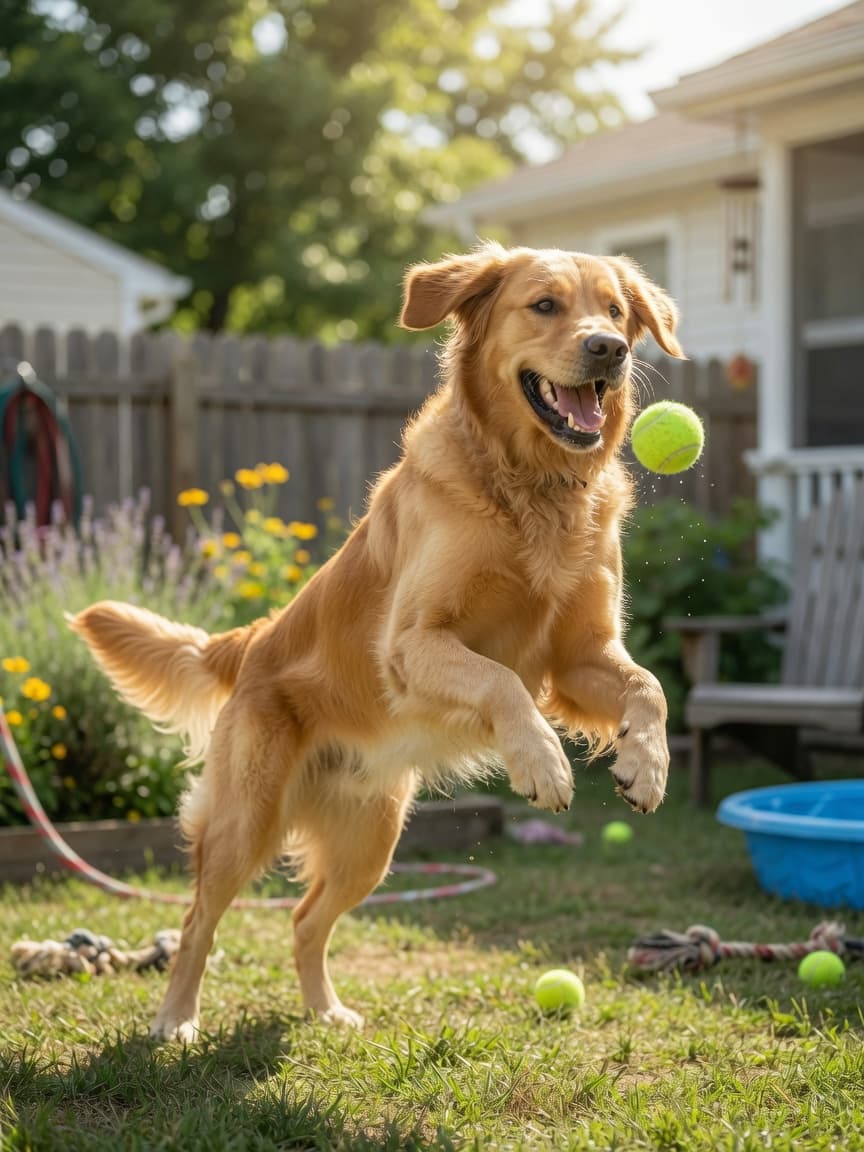
Retriever and Sporting Breeds: These dogs thrive with fetch games, swimming, agility training, or dock diving. They need regular retrieving activities that engage their mouth and drive to carry objects.
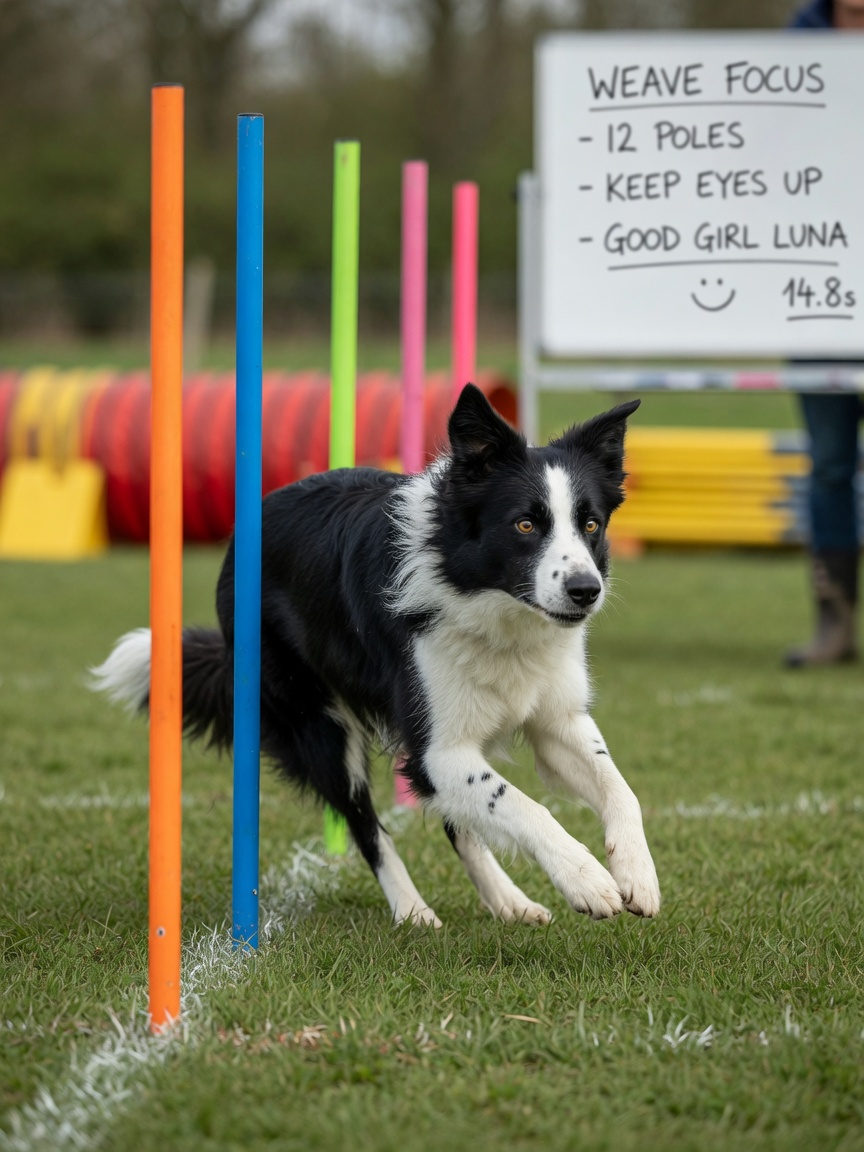
Herding Breeds: Border Collies, Shetland Sheepdogs, and Australian Shepherds need mental challenges like herding trials, treibball (herding an exercise ball), or advanced obedience courses. Without stimulation, they often develop obsessive behaviours.
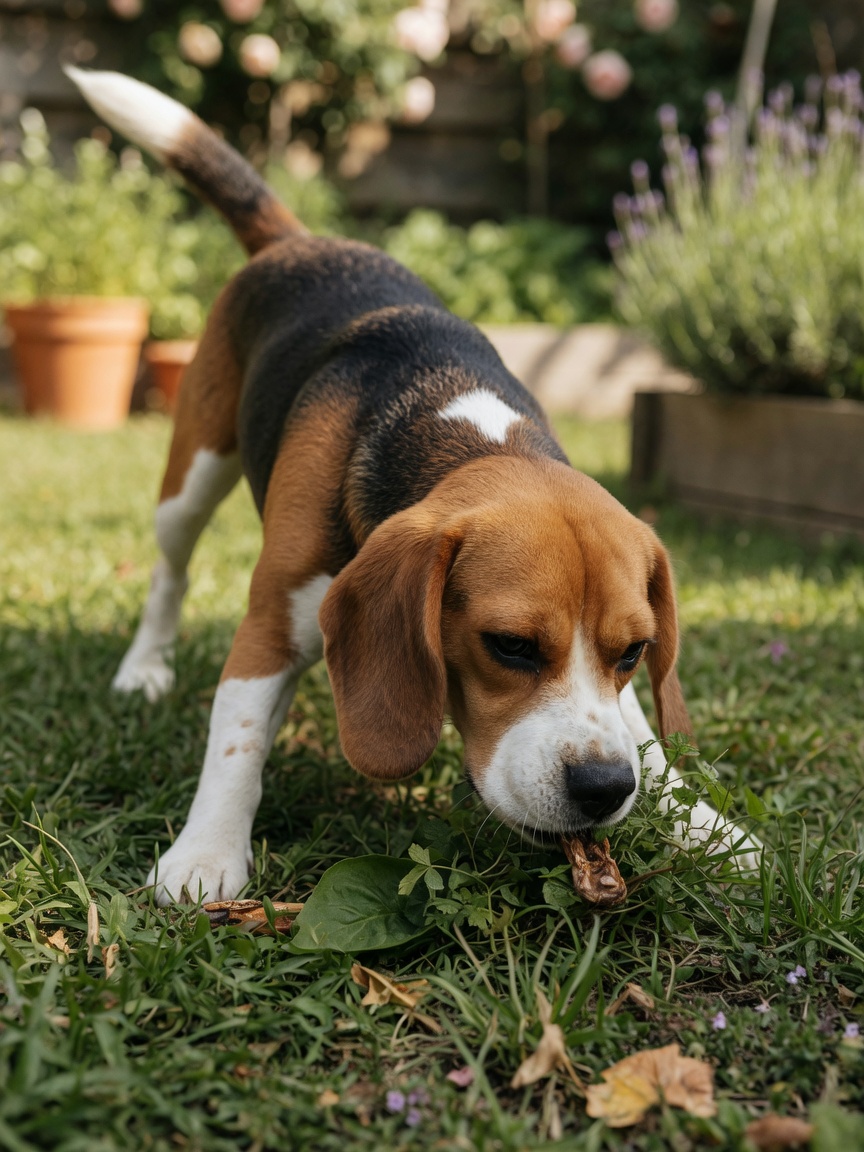
Scent Hounds and Terriers: These breeds excel at nose work, tracking games, and puzzle toys. Hide-and-seek activities with treats or toys satisfy their natural tracking instincts effectively.
Companion and Toy Breeds: Don't underestimate smaller dogs—they benefit from trick training, canine freestyle, or learning to alert family members to doorbell sounds.
Practical Jobs for Everyday Life
Your dog doesn't need to compete in trials or become a service animal to have meaningful work. Consider these accessible options:
- Training and Trick Learning: Teaching new commands and tricks provides mental exercise. Aim for 10-15 minute sessions several times weekly.
- Puzzle Toys and Food-Dispensing Toys: These engage problem-solving abilities during independent play.
- Daily Scent Games: Hide treats around your home or garden for your dog to find, mirroring natural foraging behaviour.
- Nosework Classes: Professional classes teach dogs to search for specific scents, highly rewarding and accessible to most dogs.
- Obedience or Agility Training: Structured classes provide both physical exercise and mental stimulation.
- Fetch and Retrieval Games: Simple ball games satisfy retrieval instincts and strengthen your bond.
The Health Benefits of Purpose
Beyond behaviour, purposeful activity directly impacts your dog's physical health. Dogs with structured jobs maintain healthier weights, enjoy improved cardiovascular fitness, and experience reduced joint problems through appropriate exercise. Mental stimulation also boosts cognitive function and may slow age-related cognitive decline in senior dogs.
Getting Started
Begin by observing what naturally motivates your individual dog. Does she chase shadows? Enjoy sniffing? Love retrieving toys? Once you identify her natural drives, build activities around these preferences. Start small with 10-15 minutes daily, gradually increasing intensity as your dog's fitness improves. Consistency matters more than duration—daily purposeful activity outweighs occasional intensive exercise.
Key Takeaways
Giving your dog a job transforms her from a passive household pet into an engaged, purposeful family member. This needn't involve expensive training or competition—simple daily activities aligned with her natural instincts deliver profound benefits for her behaviour, health, and happiness. Your investment in meaningful activity creates a more contented, stable, and resilient companion whilst strengthening your mutual bond.