
Can Dogs Eat Bean Sprouts? Vet-Verified Benefits & Precautions — Dogster
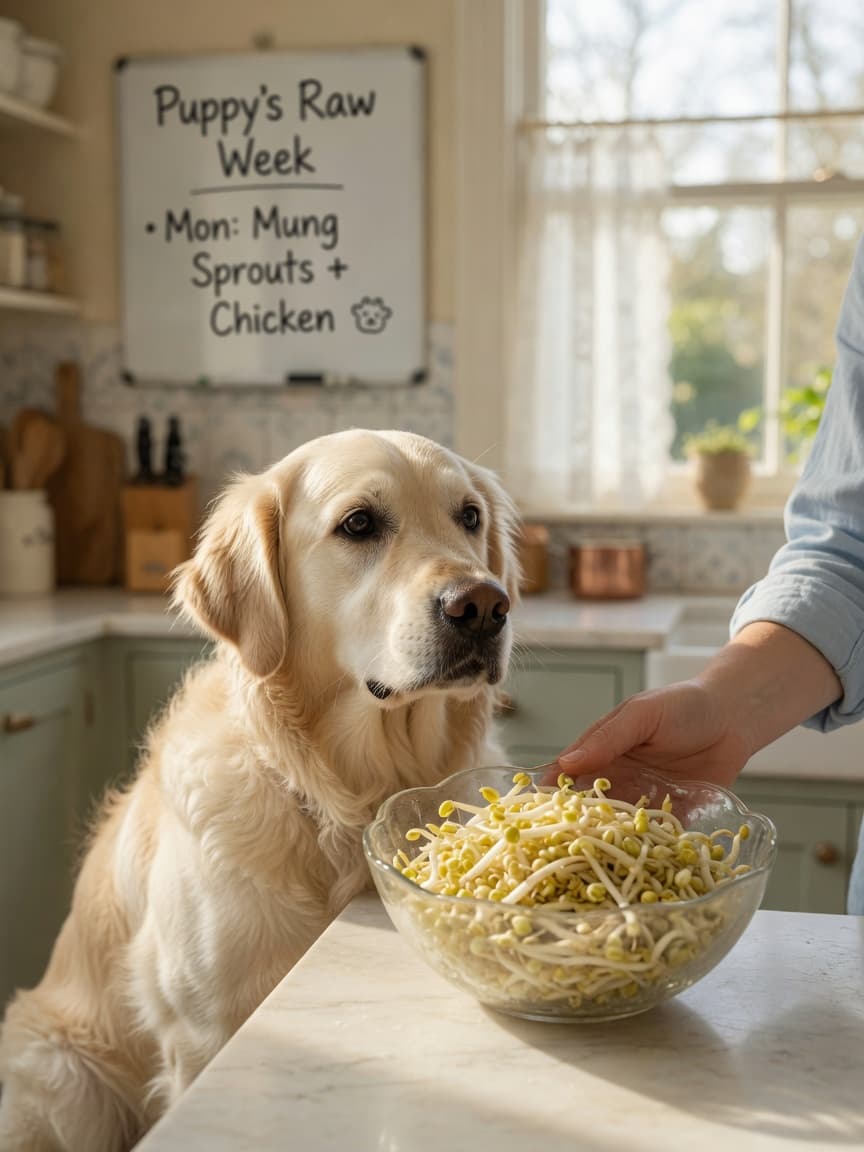
If you're wondering whether those fresh bean sprouts in your salad are safe for your canine companion, the good news is: yes, dogs can eat bean sprouts in moderation. As a nutritionist who regularly advises pet parents about wholefood additions to their dogs' diets, I can confirm that bean sprouts offer genuine nutritional benefits when prepared and served correctly. However, there are important precautions to understand before offering them to your four-legged friend.
Are Bean Sprouts Safe for Dogs?
Bean sprouts are generally safe for dogs when served plain and in appropriate portions. Unlike many human foods, they're non-toxic and don't contain compounds that are harmful to canine digestion. Both mung bean sprouts and alfalfa sprouts are dog-friendly options.
The key safety requirement is serving them properly. Raw or lightly steamed bean sprouts are the safest option, as they retain their nutritional value whilst remaining easily digestible for most dogs.
Nutritional Benefits for Your Dog
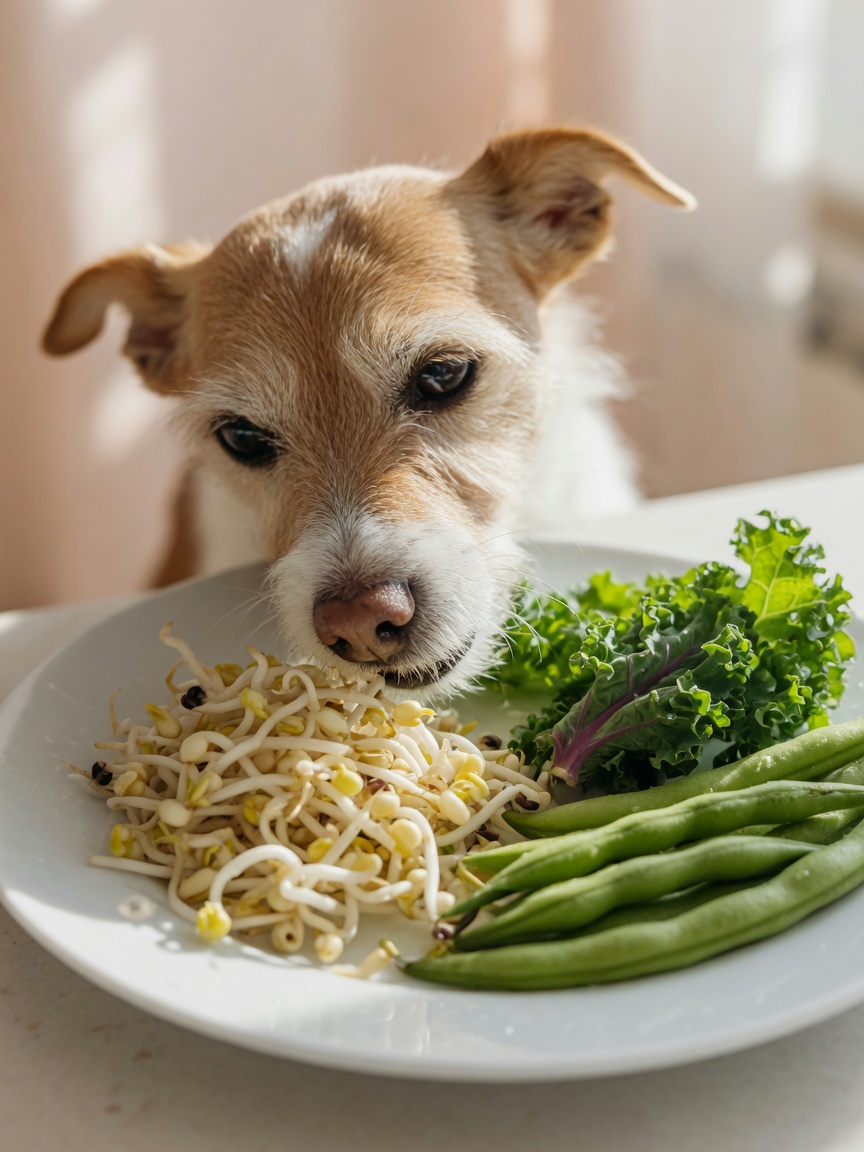
Bean sprouts offer several nutritional advantages for your pet:
- High in vitamins: Bean sprouts contain vitamins C and K, which support immune function and bone health respectively
- Excellent fibre content: The dietary fibre aids digestive health and can help maintain a healthy weight
- Low in calories: Making them an ideal low-calorie treat for dogs watching their waistline
- Rich in amino acids: During sprouting, legumes increase their amino acid content, supporting muscle development
- Contains antioxidants: These help protect your dog's cells from oxidative stress
Potential Precautions to Consider
Whilst bean sprouts are generally safe, certain precautions apply:
- Bacterial contamination: Raw sprouts occasionally harbour bacteria like E. coli or Salmonella. Purchase from reliable sources and rinse thoroughly before serving
- Digestive sensitivity: Some dogs with sensitive stomachs may experience mild bloating. Start with tiny portions
- Choking hazard: For small breed dogs, cut sprouts into manageable pieces
- Portion size: Bean sprouts should comprise no more than 5-10% of your dog's daily caloric intake
How to Prepare Bean Sprouts for Your Dog
Preparation is straightforward but important:
- Rinse fresh sprouts thoroughly under running water
- Serve raw or lightly steamed (without added oils or seasonings)
- Never add salt, garlic, or onion, which can be harmful to dogs
- Cut into small pieces for smaller breeds to prevent choking
- Store in the refrigerator and discard after 3-4 days
Serving Recommendations by Dog Size
Small dogs (under 10kg): A small handful (approximately one tablespoon) twice weekly
Medium dogs (10-25kg): Two tablespoons, 2-3 times weekly
Large dogs (over 25kg): A quarter cup, up to three times weekly
Always introduce bean sprouts gradually, monitoring your dog's response over a few days before increasing frequency.
When to Avoid Bean Sprouts
Consult your veterinary surgeon before offering bean sprouts if your dog has:
- Chronic digestive issues or inflammatory bowel disease
- Specific allergies to legumes
- Recent gastrointestinal surgery
- Conditions requiring restricted fibre intake
Key Takeaways
Bean sprouts can be a nutritious, low-calorie addition to your dog's diet when served properly. They're perfectly safe for most healthy dogs in appropriate portions, offering genuine health benefits including fibre, vitamins, and antioxidants. Always source them from reliable suppliers, rinse thoroughly, serve plain, and introduce gradually. If your dog enjoys vegetables generally, bean sprouts make an excellent choice alongside other dog-friendly options like carrots and green beans. When in doubt about your individual dog's suitability, your veterinary surgeon remains your best resource for personalised nutritional advice.
```