
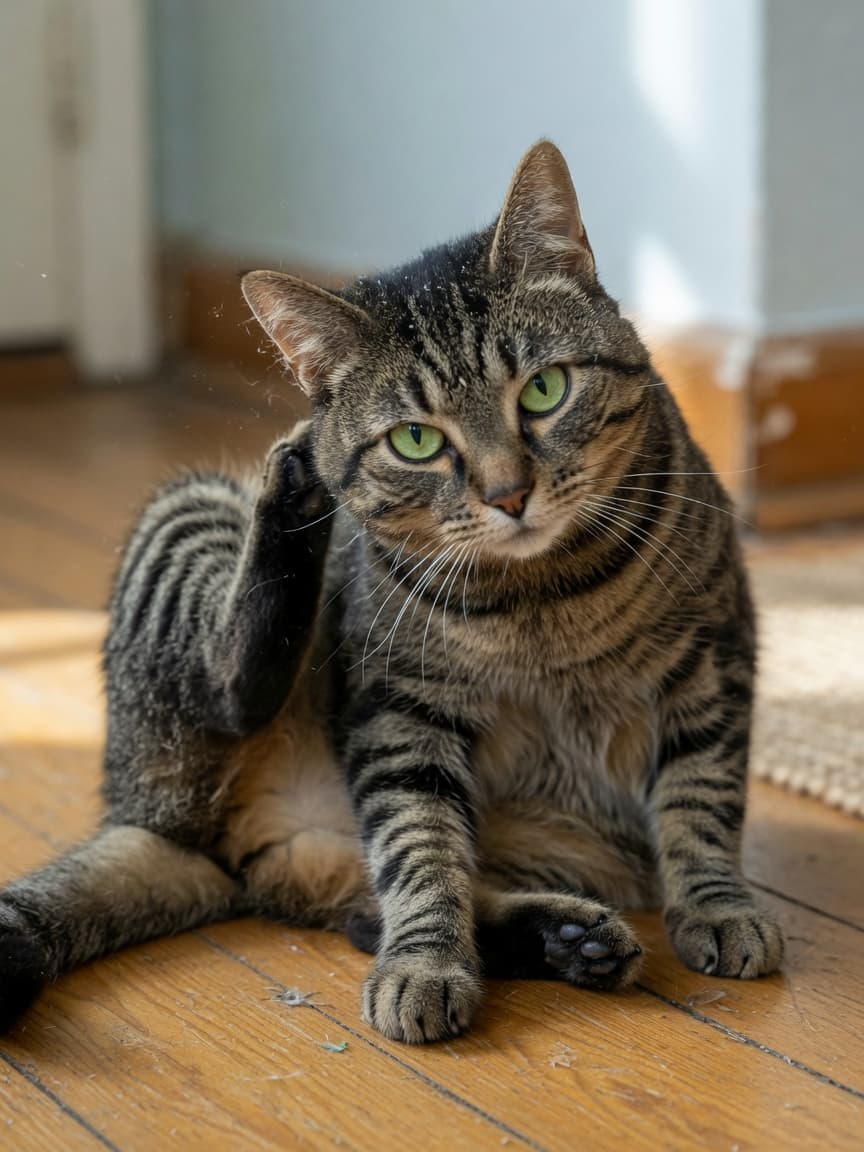
Understanding Cat Dandruff
Cats are meticulous groomers, so when white flakes appear in their fur or on your sofa, it is worth paying attention. Feline dandruff — medically termed seborrhoea — is the result of accelerated shedding of dead skin cells, producing the visible scaling that owners often find on dark furniture or clothing. While dandruff in cats can have simple, environmental explanations, it can also be an early indicator of significant medical conditions, particularly in older cats. Understanding the underlying cause is the first step to effective treatment.
Causes of Cat Dandruff, Ranked by Frequency
1. Low Humidity and Dry Air
The most common reason cats develop dandruff, especially during autumn and winter, is dry indoor air. Central heating dramatically reduces humidity levels, and cats' skin — like human skin — responds by drying out and flaking. This type of dandruff tends to be distributed evenly across the back and flanks, and the cat is generally not itchy. Adding a humidifier to your home, targeting indoor humidity between 40 and 60 percent, can produce a noticeable improvement in skin condition within a few weeks. Ensuring fresh water is always available also supports hydration from the inside out.
2. Obesity and Inability to Groom
Overweight and obese cats frequently develop dandruff, particularly along the lower back and around the base of the tail — areas they simply cannot reach to groom effectively. When a cat cannot clean these regions, dead skin cells accumulate rather than being removed by the tongue. Obesity-related dandruff is often accompanied by a generally unkempt coat and sometimes a faint odour. Weight management under veterinary guidance, combined with owner-assisted grooming in hard-to-reach areas, is the primary solution. Do not attempt rapid weight loss in cats, as this carries the risk of hepatic lipidosis — a potentially fatal liver condition.
3. Poor Diet and Nutritional Deficiency
Skin is one of the first organs to show the effects of an inadequate diet. Cats fed low-quality food that is deficient in omega-3 fatty acids, zinc, or vitamins A and E are prone to dry, flaky skin and a dull coat. As obligate carnivores, cats require high-quality animal protein and specific nutrients — including taurine and arachidonic acid — that are absent from plant-based foods. A diet rich in quality fish or meat, or supplemented with fish oil, can significantly improve skin condition. Omega-3 supplements designed for cats are available through retailers including Zooplus, and should be introduced gradually to avoid digestive upset.
4. Cheyletiella Mites
Cheyletiella blakei is the mite species most associated with cats, and it causes a condition known colloquially as "walking dandruff" — the mites are large enough to be visible to the naked eye moving through the scale. This is a highly contagious infestation that spreads rapidly between cats and can temporarily affect humans, causing itchy red spots. ESCCAP (European Scientific Counsel Companion Animal Parasites) advises regular, broad-spectrum parasite control to prevent mite infestations. If Cheyletiella is suspected, all animals in the household must be treated simultaneously and bedding thoroughly laundered. Your vet can confirm the diagnosis with a simple tape-strip test.
5. Allergies
Cats can develop allergic skin disease in response to environmental allergens such as dust mites, pollen, and mould, as well as to certain food ingredients — most commonly proteins such as beef, chicken, or fish. Allergy-related dandruff is usually accompanied by itching (particularly around the head, neck, and belly), over-grooming, hair loss, and recurrent skin or ear infections. Food allergy diagnosis requires a strict elimination diet trial lasting at least eight weeks, which must be carried out under veterinary supervision.
6. Diabetes Mellitus
Dandruff in cats over eight years of age should prompt consideration of diabetes mellitus. Elevated blood glucose damages small blood vessels and impairs skin barrier function, leading to a dry, flaky coat. Other signs of feline diabetes include greatly increased thirst and urination, weight loss despite a good or increased appetite, and a distinctive plantigrade stance (walking with the hocks touching the ground). Diabetes in cats is highly manageable with insulin therapy and dietary modification, and some cats achieve remission with prompt treatment.
7. Hyperthyroidism
Hyperthyroidism — overproduction of thyroid hormone — is the most common endocrine disorder in older cats, typically affecting those aged ten and above. The excess thyroid hormone accelerates metabolism and can cause a greasy, unkempt, and flaky coat, alongside weight loss, increased appetite, vomiting, diarrhoea, hyperactivity, and an elevated heart rate. A simple blood test measures thyroid hormone levels and confirms the diagnosis. Treatment options include daily medication, a prescription low-iodine diet, radioactive iodine therapy, or surgery.
Important note for owners of cats aged eight and over: new-onset dandruff in a middle-aged or senior cat should always be investigated by a vet to rule out diabetes and hyperthyroidism before attributing the symptoms to environmental factors.
Home Remedies and Management Strategies
Dietary Improvements
Switching to a high-quality wet food diet is often beneficial for skin health, as wet food provides significantly more moisture than dry kibble. Look for foods that list a named meat or fish as the first ingredient. Adding a small amount of fish oil to meals can improve the omega-3 content of any diet — begin with a low dose and increase gradually. Some veterinary prescription diets are formulated specifically to support skin barrier health and may be recommended by your vet for cats with chronic skin issues.
Grooming Assistance
Regular brushing helps to remove loose flakes, distribute natural skin oils, and keep the coat in good condition — particularly important for long-haired cats and those who are overweight. A fine-toothed grooming comb is effective for removing scale from the coat. Grooming also gives you the opportunity to check for signs of mites or other parasites. Grooming tools suitable for cats with sensitive skin are available through Zooplus and other pet retailers.
Humidifier Use
A humidifier placed in the rooms where your cat spends the most time can significantly reduce environmental dryness during winter months. Place it out of your cat's direct reach and keep it clean to prevent mould growth.
Cat-Safe Moisturising Sprays
There are feline-specific conditioning sprays and leave-in products designed to add moisture to the coat. Avoid any product formulated for humans, as many contain fragrances, essential oils, or other ingredients that are toxic to cats.
When to See a Vet
Seek veterinary advice if your cat's dandruff:
- Appears in a cat over eight years old — diabetes and hyperthyroidism must be excluded
- Is accompanied by weight loss, increased thirst, changes in appetite, or altered behaviour
- Seems to move — possible Cheyletiella mite infestation requiring treatment for all pets in the household
- Is associated with significant itching, hair loss, or skin inflammation
- Does not improve after four to six weeks of dietary and environmental changes
- Appears in a cat who cannot reach parts of their body to groom — weight assessment and management is needed
- Is greasy or has an unusual smell
The PDSA recommends annual veterinary health checks for all adult cats, with more frequent check-ups for seniors. These appointments are an ideal opportunity to have your cat's skin and coat evaluated alongside their overall health — early detection of conditions like diabetes and hyperthyroidism leads to much better outcomes.