
What Is Megacolon?
Megacolon is a condition in which the colon becomes pathologically enlarged and loses its normal muscular tone and contractile function. Rather than moving faecal material towards the rectum and expelling it efficiently, the affected colon dilates progressively, accumulating hard, compacted faeces that the animal becomes completely unable to pass. The result is chronic obstipation — total failure to defecate — alongside a colon that, over time, may stretch irreversibly and lose all functional capacity.
The term "megacolon" literally means "big colon," and on abdominal radiographs the condition is unmistakable: the colon appears massively distended, often occupying a substantial portion of the abdomen, packed with faecal material. In severe or long-standing cases, the colonic wall becomes thin and atonic — essentially a dilated, non-functional sac rather than a functioning muscular organ.
Megacolon Primarily Affects Cats
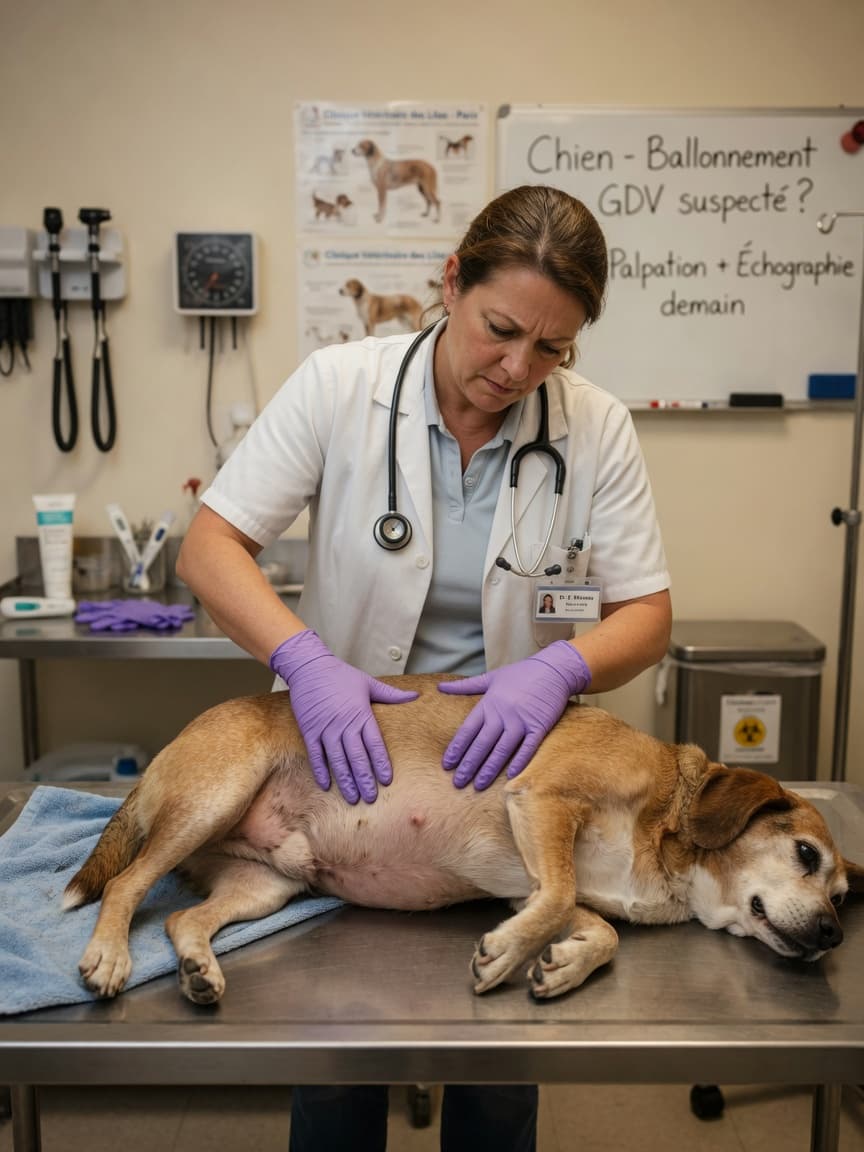
Megacolon is predominantly a feline condition. The vast majority of cases are seen in cats, particularly middle-aged to older males, and it is one of the most common reasons feline patients undergo major abdominal surgery. That said, dogs are not immune to the condition, and it is important that owners and veterinary professionals remain alert to its possibility in canine patients presenting with chronic, severe constipation or obstipation that does not respond to routine management.
In cats, megacolon is most commonly idiopathic — meaning no specific underlying cause is identified. It is thought to result from a primary dysfunction of the smooth muscle or the nerves that control colonic motility. Secondary megacolon can develop in both cats and dogs as a consequence of prolonged obstruction, pelvic canal narrowing (often following pelvic fractures that healed in a position that narrows the pelvis), spinal cord disease affecting sacral nerve supply to the colon, or chronic untreated constipation.
Genetic Predisposition in Manx Cats
Manx cats carry a genetic mutation that causes the characteristic absence or reduction of the tail. This same mutation affects the development of the sacral spinal cord and associated nerve roots, which control bladder, bowel, and anal sphincter function. As a result, Manx cats have a significantly elevated risk of developing sacral dysgenesis — malformation of the sacral vertebrae — which can impair colonic nerve supply and lead to megacolon, along with urinary incontinence and hindlimb weakness.
Not all Manx cats are affected, and the severity varies considerably, but breeders and owners of Manx cats should be aware of this predisposition and monitor for early signs of constipation or straining from a young age. Homozygous Manx kittens (those inheriting two copies of the Manx gene) do not survive to birth, but heterozygous individuals can present with a spectrum of spinal cord abnormalities.
Signs and Clinical Presentation
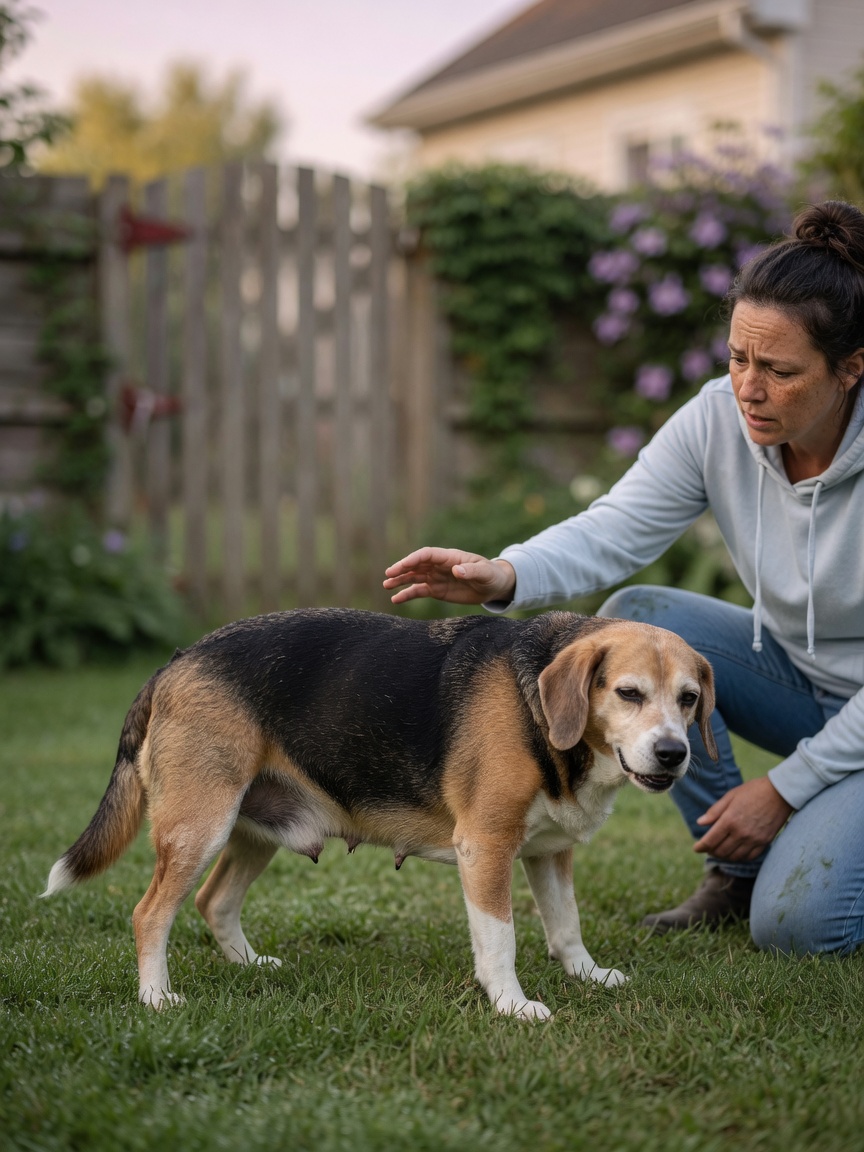
The presenting signs of megacolon in both cats and dogs reflect the underlying failure of colonic function:
- Infrequent or absent defecation, sometimes for many days at a time
- Repeated, prolonged straining in the litter tray or outside without producing faeces
- Small amounts of liquid faecal material passed around the impaction (this can be mistaken for diarrhoea)
- Visible abdominal distension as the colon enlarges
- Progressive weight loss, reduced appetite, and lethargy
- Vomiting in severe cases, as systemic toxaemia develops from faecal retention
On palpation of the abdomen, a vet will typically feel a firm, sausage-shaped mass in the left mid-abdomen — the faeces-packed colon. Rectal examination confirms impacted faeces and may reveal additional causes such as pelvic narrowing, rectal stricture, or a perineal hernia.
Medical Management: Lactulose and Cisapride
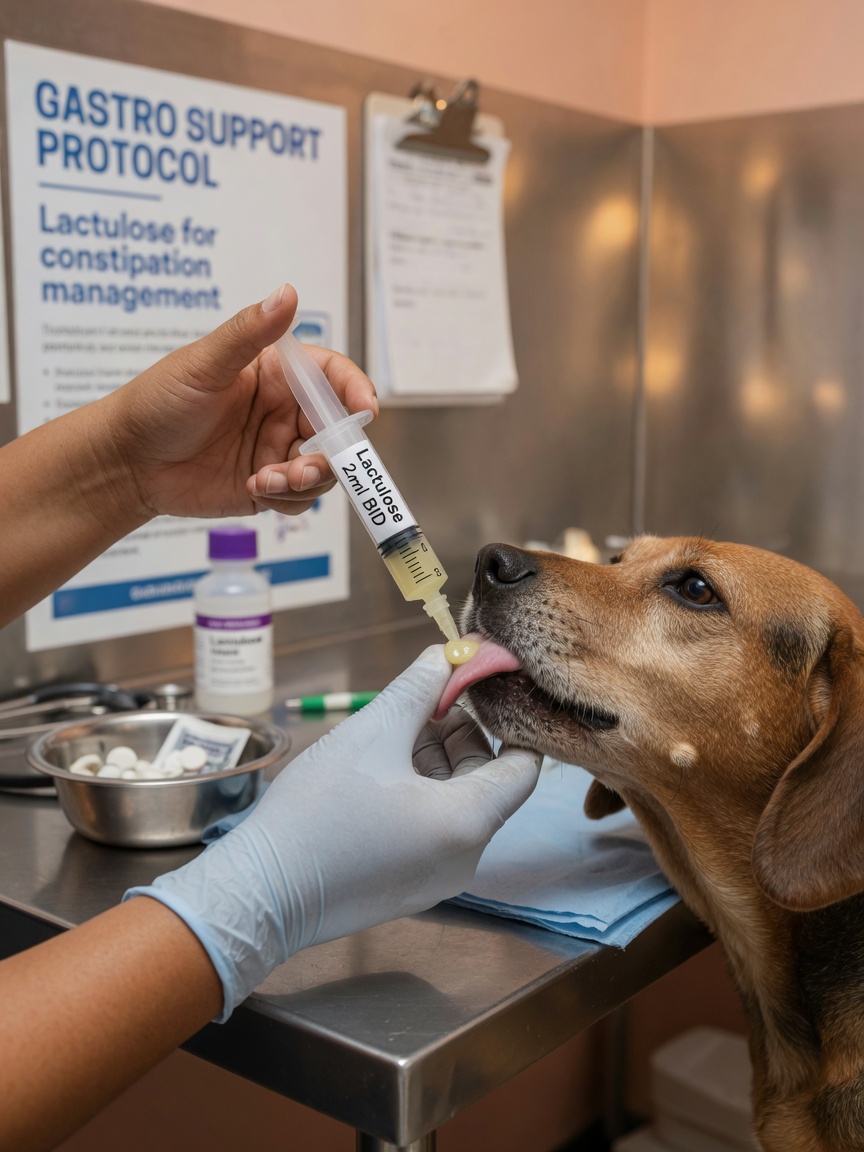
In early or mild cases of megacolon, medical management may control the condition adequately. The goal is to soften retained faeces and stimulate colonic motility using a combination of approaches.
Lactulose
Lactulose is an osmotic laxative that draws water into the colon, softening hard faecal material and making it easier to pass. It is given orally, often at higher doses than used for simple constipation, and can be combined with dietary management. Regular, twice-daily dosing is typically required for maintenance in megacolon patients. Lactulose is well tolerated long-term, though excessive doses cause diarrhoea, so the dose must be titrated carefully to the individual patient.
Cisapride
Cisapride is a prokinetic drug — a motility promoter — that acts on serotonin receptors in the gut wall to enhance smooth muscle contractions throughout the gastrointestinal tract, including the colon. It is particularly valuable in megacolon because it addresses the underlying motility failure rather than simply softening faeces. Cisapride is most effective in cats with early megacolon before irreversible colonic dilation has occurred; once the colon has lost its structural integrity, no prokinetic drug can restore meaningful function.
Cisapride was withdrawn from human medicine in many countries due to cardiac side effects, but it remains available through specialist veterinary pharmacies and compounding pharmacists. It is generally safe in cats and dogs at veterinary doses and has been widely used in feline megacolon management for decades.
Medical management also involves regular warm-water enemas administered by the vet to evacuate the colon, high-fibre or low-residue dietary adjustments depending on the individual case, and increased hydration — switching to wet food is strongly encouraged.
Subtotal Colectomy: The Definitive Surgical Option
When medical management fails to maintain an acceptable quality of life — which is common in cats with advanced idiopathic megacolon and in dogs with irreversible colonic dilation — subtotal colectomy offers a definitive solution. In this procedure, the surgeon removes most or all of the affected colon, leaving only a short segment, and anastomoses (joins) the remaining intestine to the rectum.
The procedure carries a significant recovery period. In the weeks following surgery, patients typically pass frequent, loose or watery stools as the small intestine adapts to its new role in water absorption. In cats, stool consistency improves substantially over three to six months as the remaining intestine adapts. Most cats achieve a very acceptable quality of life after subtotal colectomy, with the vast majority of owners reporting significant improvement compared to the pre-surgical period.
The procedure is not without risk — complications include anastomotic leakage, short-term diarrhoea, and recurrence of constipation if insufficient colon is removed — but in experienced hands, outcomes are generally good. For cats and dogs with true refractory megacolon, surgery is almost always preferable to continued suffering from obstipation and repeated hospitalisation for manual disimpaction.
Prognosis and Long-Term Outlook
The prognosis for megacolon depends heavily on the underlying cause, the duration of the condition, and how early treatment is initiated. Secondary megacolon caused by a correctable obstruction — such as a healed pelvic fracture amenable to surgical correction — may resolve once the underlying cause is addressed. Idiopathic or neurogenic megacolon in cats typically requires lifelong management, with surgery offering the best long-term outcome for refractory cases. Early identification and treatment of chronic constipation, before the colon stretches irreversibly, gives the best chance of avoiding the need for major surgery.