
Why the Breeder Matters So Much
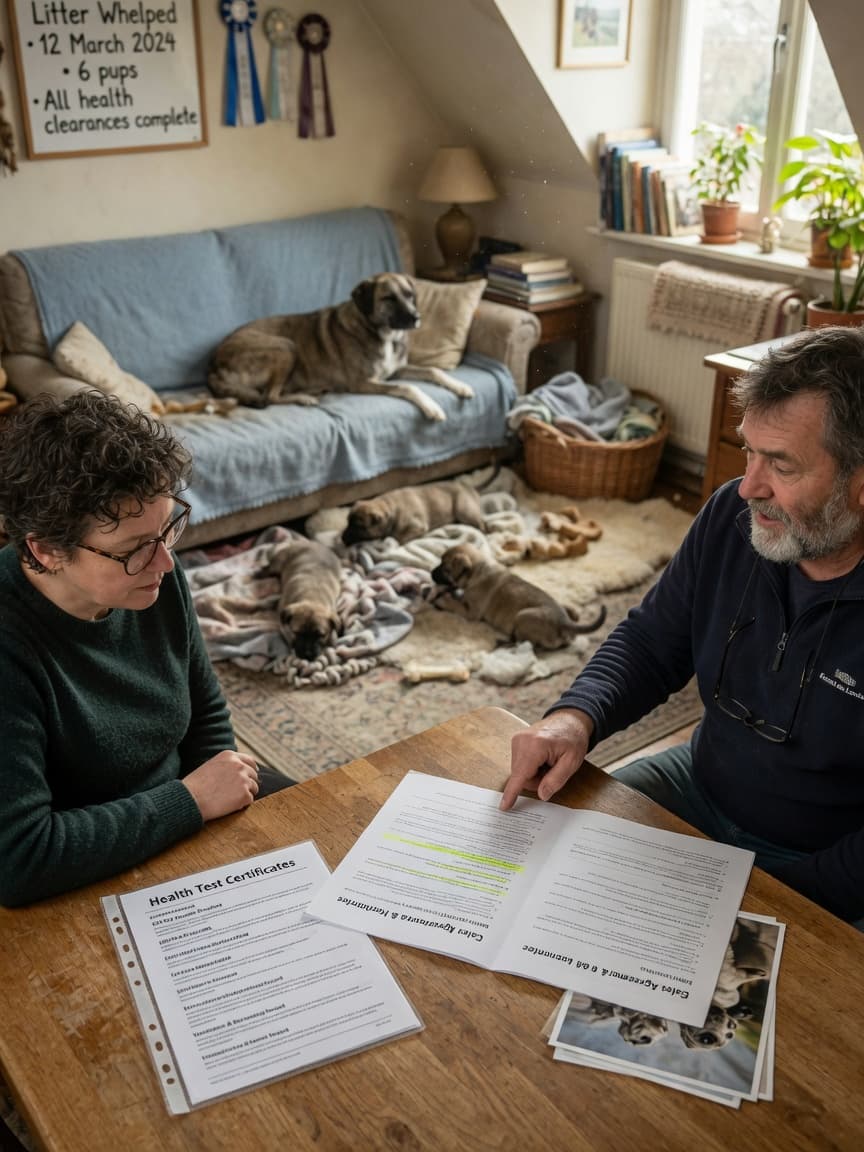
A puppy or kitten's early weeks — genetics, nutrition, socialisation, and the environment they are born into — have a profound and lasting effect on their health and temperament. A good breeder is not simply a seller; they are a steward of the breed, someone invested in the long-term wellbeing of every animal they produce. Understanding how to tell the difference between a responsible breeder and someone cutting corners is one of the most valuable things a prospective owner can learn.
The Kennel Club Assured Breeder Scheme — What It Means and What It Does Not
The Kennel Club (KC) Assured Breeder Scheme is the most widely recognised quality mark for dog breeders in the UK. Breeders who join agree to meet a set of standards covering health testing, record keeping, puppy care, and aftercare advice. Membership involves an initial inspection and periodic reviews.
Assured Breeder status is a meaningful positive signal, but it is not a guarantee. The scheme has faced criticism for inconsistent enforcement, and the bar for membership — while higher than no standard at all — does not reflect the very best practice in breeding. Being on the scheme does not mean every health test has been done, or that the breeding environment is excellent. It means the breeder has agreed to certain standards and passed an initial check.
Use it as one indicator among several, not as sufficient evidence on its own.
Five Welfare Questions Every Buyer Should Ask

Regardless of whether a breeder is KC registered, these five questions reveal a great deal about how seriously they take animal welfare.
Can you see the mother with the puppies?
You should always be able to meet the mother of the litter in the environment where the puppies were born and raised. If the breeder says the mother is "not available," "out for a walk," or "belongs to a friend," treat this as a serious warning sign. Seeing the mother alongside her puppies tells you about her temperament, her health, and the conditions the puppies have been raised in. The law supports this: Lucy's Law (see below) makes it illegal to sell puppies or kittens through third parties, so a breeder who cannot show you the mother may be operating illegally.
Were the puppies born and raised in a home environment?
Puppies raised in a home — with normal household sounds, different people, and everyday activity — are better socialised than those raised in kennels, outbuildings, or farm environments. Early socialisation between three and twelve weeks is critical for a puppy's future confidence and adaptability. Ask where the puppies sleep, what they have been exposed to, and whether they have met children, other animals, or visitors.
Have both parents been health tested?
Many breeds carry hereditary conditions that can be screened for before breeding. The appropriate tests vary by breed — hip and elbow scoring for Labradors and German Shepherds, eye testing for Collies, DNA tests for progressive retinal atrophy in Cockers. The Kennel Club website and individual breed club websites publish the recommended health tests for every breed. Ask for certificates, not just verbal assurances, and verify them if possible.
A breeder who has done no health testing is not necessarily dishonest, but they are not taking breed health seriously. Health problems are frequently heritable — buying from untested parents significantly raises the risk of costly and distressing conditions appearing in your pet's lifetime.
Will you take the puppy back if it does not work out?
Responsible breeders feel a lifelong responsibility for every animal they produce. A good breeder will ask you to return the dog to them if you are ever unable to keep it, rather than see it passed through unknown hands. They may also check in with you periodically and remain available for advice throughout the dog's life. If a breeder has no interest in what happens after the sale, that tells you something.
Are you given full veterinary history?
You should receive a written record of any veterinary treatment the puppy has received, including vaccinations, microchip details, and any health checks. Reputable breeders often provide a puppy pack including diet sheets, registration documents (if KC registered), and copies of health test certificates. The absence of paperwork — or vague answers about it — is a concern.
The Puppy Contract
The KC provides a model puppy contract, and reputable breeders commonly use it or a similar document. This sets out what both parties have agreed — health guarantees, what happens if the puppy develops a hereditary condition, and the return policy. Do not buy from a breeder who will not provide any written agreement.
Red Flags to Walk Away From
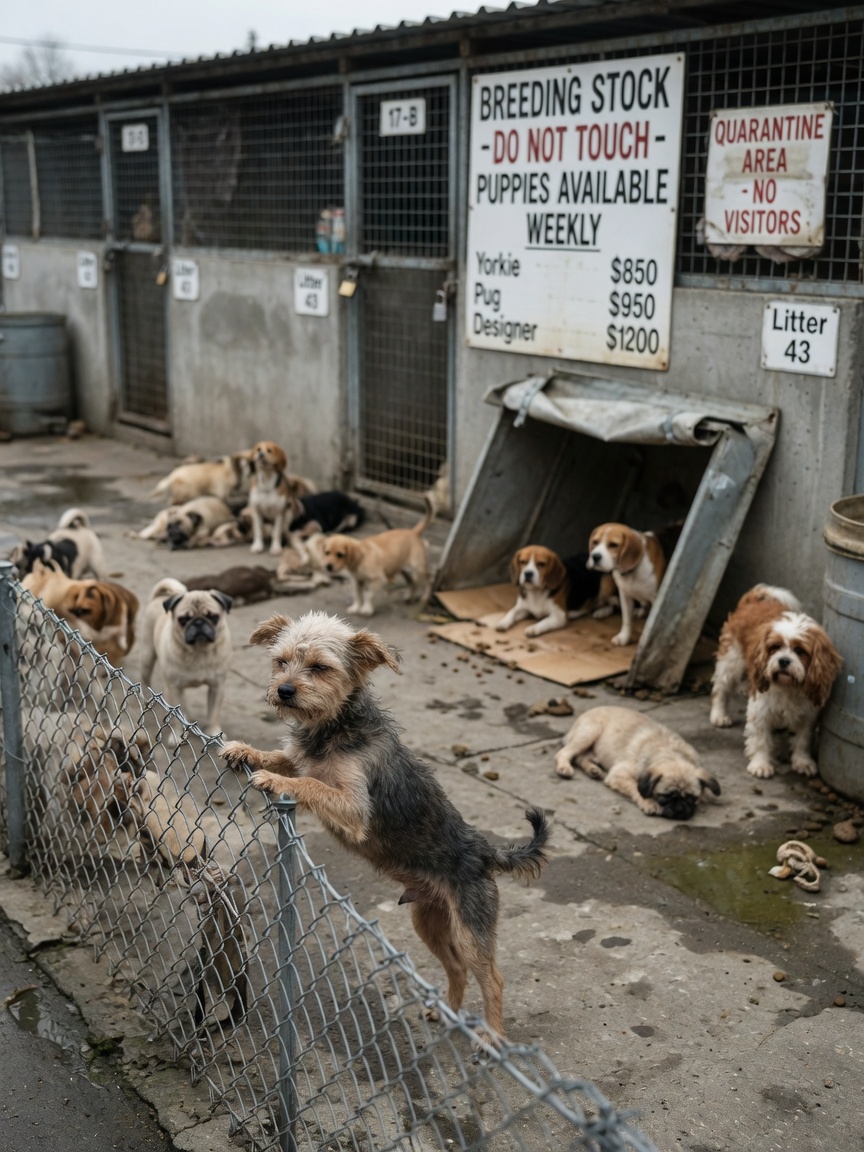
- Multiple different breeds available at the same time — a sign of commercial volume breeding rather than breed-specific care.
- Puppies always available — responsible breeders plan litters carefully and rarely have puppies on hand without a waiting list.
- The seller offers to meet you in a car park, motorway service station, or other neutral location — this is a common tactic used to conceal poor conditions or to obscure the fact that the animal came from a dealer rather than the stated breeder.
- The seller offers to bring the puppy to your home — again, this prevents you from seeing where and how the puppy was raised.
- Pressure to decide quickly or pay a deposit before seeing the puppy — this is a sales tactic, not the behaviour of someone who cares about where their animals go.
- Price that seems too good to be true — puppies sold significantly below market rate may come from poor conditions or be in ill health.
Lucy's Law — Third Party Sales Are Illegal in the UK
Lucy's Law came into force in England in April 2020, with Scotland and Wales following shortly after. It makes it illegal for pet shops, pet dealers, or any third party to sell puppies and kittens under six months of age. All sales must take place directly between the buyer and the breeder, or through a rescue organisation.
This law was introduced to tackle puppy and kitten farms, where animals are bred in poor conditions and sold through dealers or pet shops, often presented as coming from legitimate breeders. If anyone other than the breeder is trying to sell you a puppy or kitten, the sale is illegal and the animal is likely to have come from a welfare-compromised background. Report concerns to your local council's trading standards team.
Take Your Time
A reputable breeder will welcome your questions. They will likely have questions of their own — about your home, your experience, your working hours. This mutual scrutiny is a good sign, not an inconvenience. If a breeder seems indifferent to where their puppies are going, that indifference extends to how the animals were produced.
Waiting for the right litter from the right breeder — sometimes months — is far better than acting quickly and spending years managing the consequences of a poorly bred animal. The effort you put in at the beginning shapes everything that follows.