
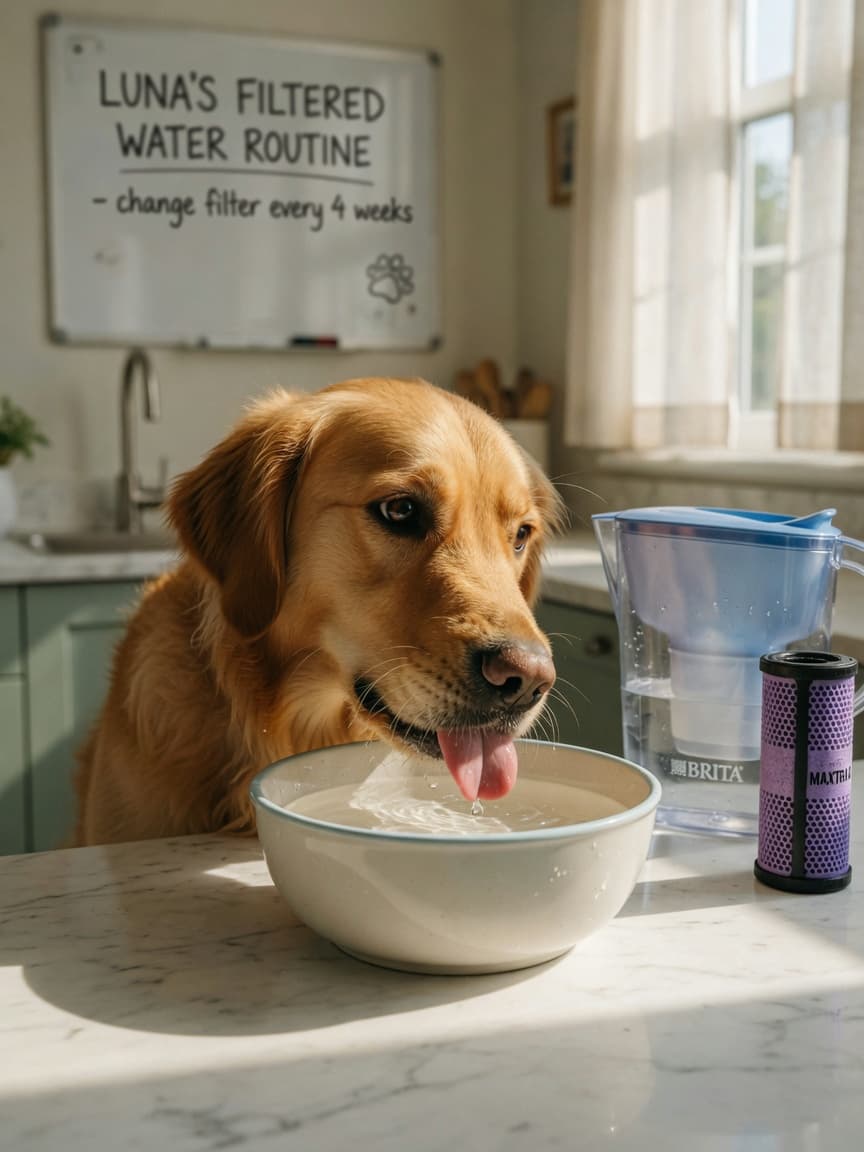
How Do You Remove Chloramines From Tap Water?
If you're a pet owner in Europe, you've likely wondered whether tap water is safe for your furry friends. Whilst chlorine has been safely used in water treatment for over a century, many water companies now use chloramines—a combination of chlorine and ammonia—as a more stable disinfectant. Although chloramines are generally considered safe for humans at regulated levels, they can affect our pets' health, particularly their skin, coat, and digestive systems. Understanding how to remove chloramines from your pet's drinking water is a practical step towards optimising their wellbeing.
Why Should You Remove Chloramines From Your Pet's Water?
Pets are more sensitive to chloramines than humans because they consume water in higher proportions relative to their body weight. Chloramines can:
- Irritate sensitive skin and exacerbate conditions like dermatitis
- Strip natural oils from fur, leaving coats dull and brittle
- Affect the gastrointestinal tract, potentially causing digestive upset
- Interact negatively with certain medications or supplements
- Alter the balance of beneficial bacteria in the digestive system
Pets with existing health conditions, fish, or aquatic animals are particularly vulnerable to chloramine exposure.
Effective Methods to Remove Chloramines
Activated Carbon Filtration
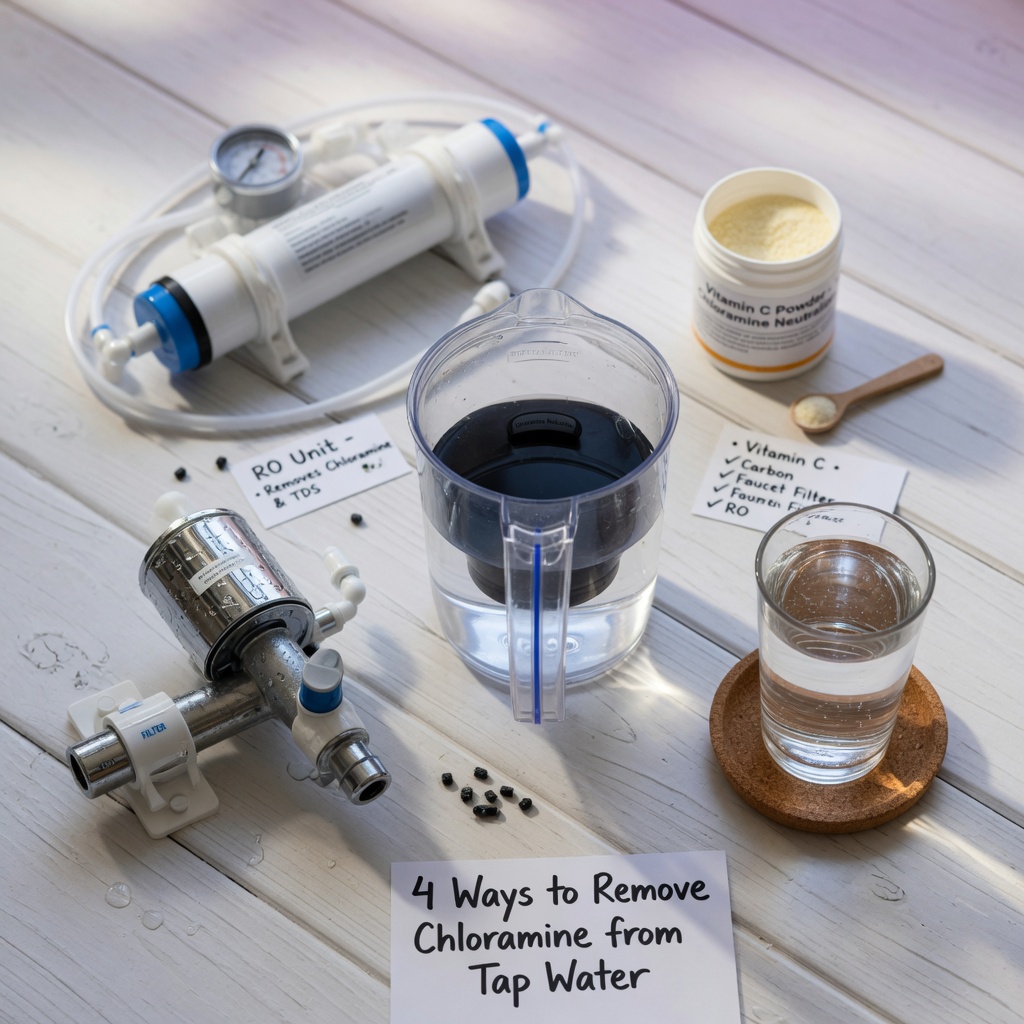
Activated carbon is one of the most effective and accessible solutions for removing chloramines. The porous structure of activated carbon absorbs chloramine molecules as water passes through it. You can use:
- Pitcher-style filters that sit on your kitchen worktop
- Faucet-mounted filters for direct tap access
- Under-sink filtration systems for whole-house protection
- Replacement cartridges (typically effective for 2-3 months)
Vitamin C Ascorbic Acid
This natural method involves adding food-grade vitamin C powder to water. It neutralises chloramines through a chemical reaction, and the process is rapid—usually within minutes. This approach is:
- Affordable and readily available
- Safe for all pets when used at appropriate dosages
- Non-toxic and leaves no harmful by-products
- Suitable for both drinking water and bath water
Always use food-grade vitamin C, and consult your veterinary surgeon about appropriate quantities for your pet's size.
Boiling and Aeration
Whilst boiling removes standard chlorine effectively, chloramines are more resistant to heat alone. However, combining boiling with prolonged aeration (stirring vigorously or letting water sit uncovered for 24 hours) can partially reduce chloramine levels. This method requires more time and effort but requires no additional products.
Reverse Osmosis Systems
These comprehensive filtration systems remove up to 99% of chloramines along with other contaminants. Whilst more expensive initially, they provide ongoing protection and are excellent for multi-pet households or those with sensitive animals.
Practical Implementation Tips
- Test your water: Contact your local water company to confirm chloramine levels in your area
- Choose your method: Consider your budget, time availability, and household size
- Maintain consistency: Whichever method you choose, use it regularly for all your pet's drinking water
- Change filters regularly: If using filtration systems, replace cartridges as recommended
- Consider bath water: Don't forget to treat bath water for pets prone to skin sensitivities
- Monitor improvements: Observe changes in your pet's coat condition, energy levels, and digestive health
Key Takeaways
Removing chloramines from your pet's tap water is a straightforward investment in their health. Activated carbon filters offer the most convenient solution for most households, whilst vitamin C provides an affordable, natural alternative. Regardless of which method you choose, treating your pet's water demonstrates your commitment to their optimal nutrition and wellbeing. Start by identifying your water company's chloramine levels, then select the approach that best fits your lifestyle and budget. Your pet will thank you with improved coat quality, better digestion, and enhanced overall vitality.