
How Important is the Digestibility of Dog Food - Whole Dog Journal
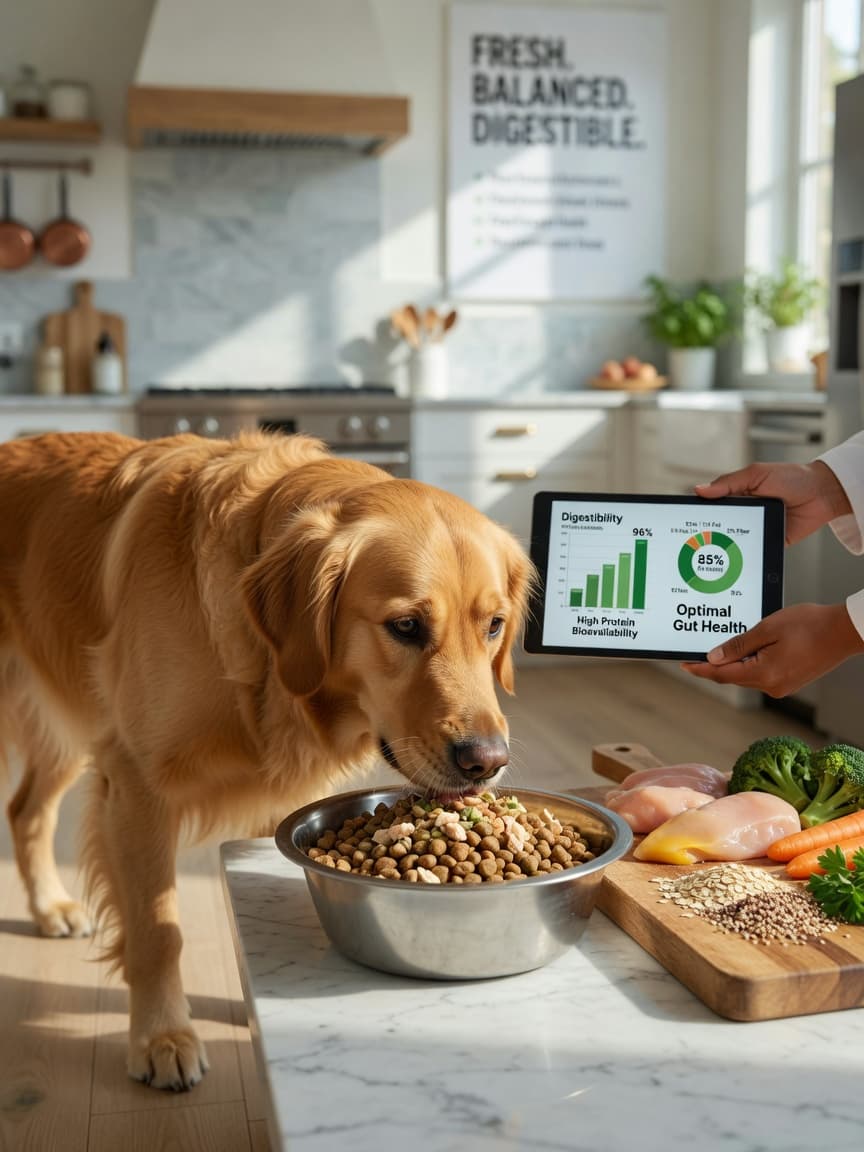
When you're choosing food for your beloved dog, you might focus on the ingredient list or protein percentage, but there's a hidden factor that could dramatically impact your pet's health and wellbeing: digestibility. Digestibility refers to how efficiently your dog's body can break down and absorb nutrients from their food. A high-quality diet with excellent digestibility means your dog receives maximum nutritional benefit from every bite, whilst lower digestibility can lead to larger stools, poor nutrient absorption, and potential digestive issues. Understanding this crucial aspect of nutrition could transform your dog's vitality, coat quality, and overall health.
What Does Digestibility Actually Mean?
Digestibility is measured as the percentage of nutrients your dog's body can absorb from food. For example, if a dog food has 85% protein digestibility, your dog absorbs 85% of the protein content, whilst the remaining 15% passes through their system undigested. This percentage varies significantly between food types and ingredients. Premium, whole-food ingredients typically offer superior digestibility compared to by-products or fillers. Additionally, the processing method, ingredient quality, and your individual dog's metabolism all influence how effectively they digest their meals.
Why Digestibility Matters for Your Dog's Health
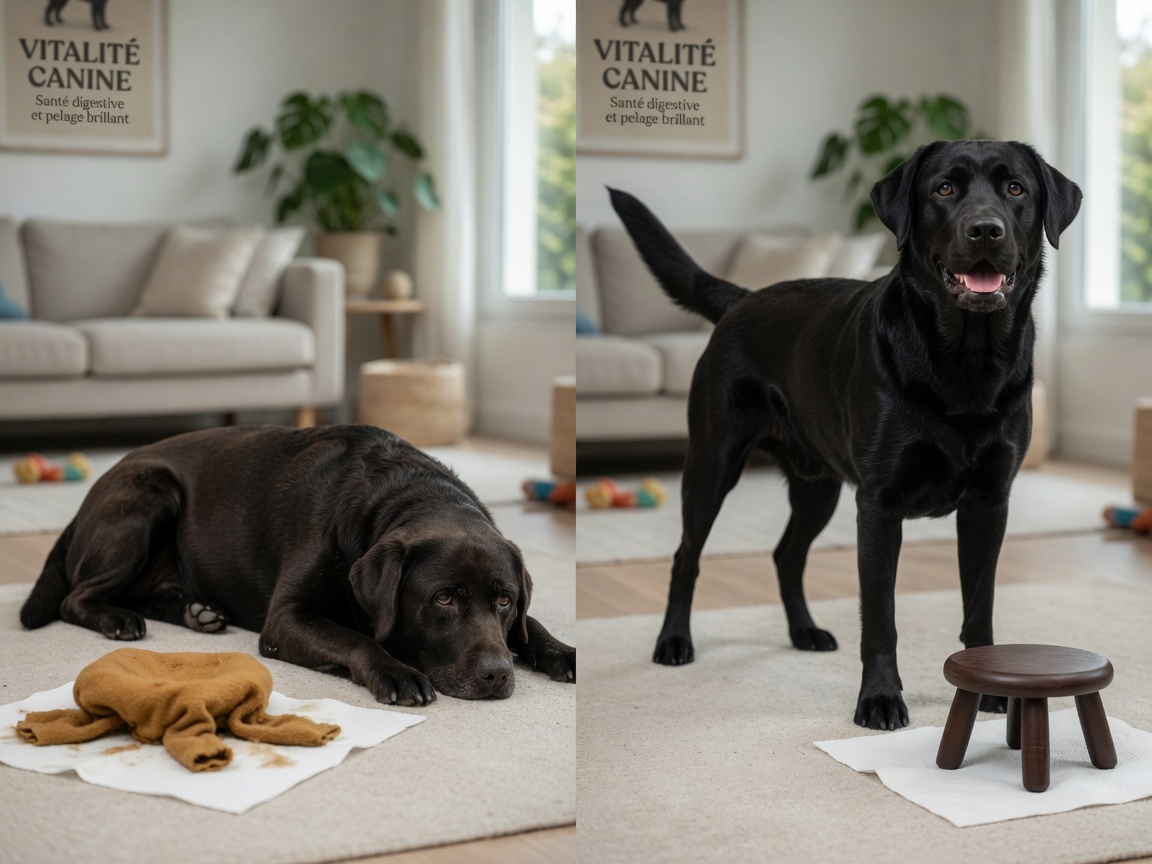
- Better Nutrient Absorption: Higher digestibility ensures your dog's body actually receives the vitamins, minerals, and amino acids you're paying for
- Smaller, Firmer Stools: Digestible food produces less waste, meaning fewer clean-ups and better intestinal health
- Improved Coat and Skin: When dogs absorb nutrients efficiently, you'll notice shinier coats and healthier skin
- Energy and Vitality: Dogs whose bodies can efficiently extract energy from food show improved activity levels and mental alertness
- Weight Management: Highly digestible foods satisfy dogs more completely, reducing overeating and obesity risk
- Reduced Digestive Issues: Less digestive upset, fewer allergic reactions, and improved gut health overall
Signs Your Dog Isn't Digesting Food Well
If your dog is eating but not thriving, poor digestibility might be the culprit. Watch for these warning signs:
- Large, loose, or frequent stools
- Visible undigested food particles in faeces
- Persistent itching or skin problems
- Dull coat or excessive shedding
- Constant hunger despite adequate portions
- Bloating, gas, or stomach distress
- Low energy levels or lethargy
How to Choose More Digestible Dog Food
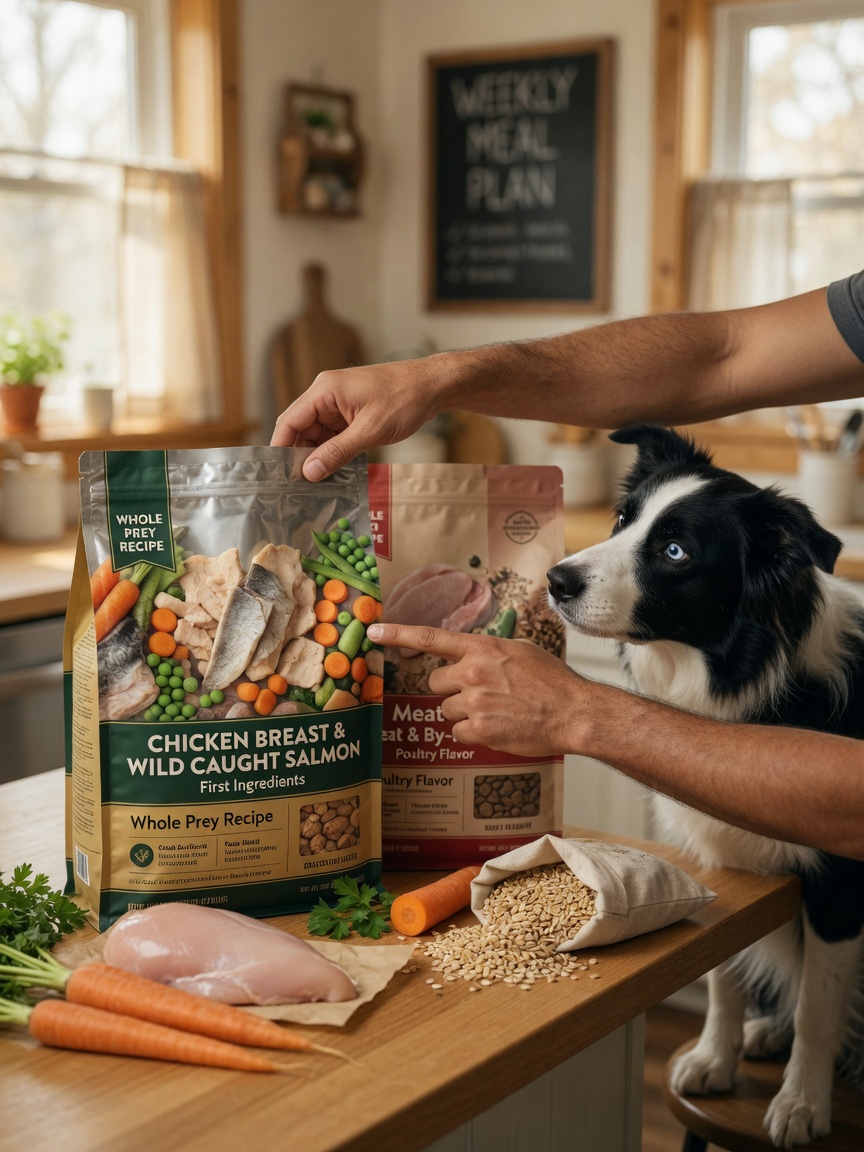
When shopping for dog food, you can identify more digestible options by examining ingredient quality. Look for named meat sources (chicken, beef, or fish) as your first ingredients rather than vague terms like "meat meal" or "animal by-products." Whole grains and vegetables digest more effectively than heavily processed fillers. Additionally, check whether the food contains beneficial probiotics or digestive enzymes, which aid the digestive process.
Consider your dog's individual needs too. Some dogs thrive on grain-inclusive diets, whilst others require grain-free options. Age, activity level, and any existing health conditions should guide your choice. If your dog has a sensitive stomach, gradually transitioning to a more digestible food over 7-10 days can help their system adjust smoothly.
Key Takeaways for Optimal Dog Nutrition
Digestibility isn't just a technical term—it's fundamental to your dog's wellbeing. By prioritising highly digestible foods with quality ingredients, you're investing in better health outcomes, reduced veterinary bills, and a happier, more vibrant companion. Remember that every dog is unique, so what works brilliantly for one may need adjustment for another. If you're unsure whether your dog's current food is serving them well, consulting with your veterinarian or a certified animal nutritionist can provide personalised guidance tailored to your dog's specific needs.