
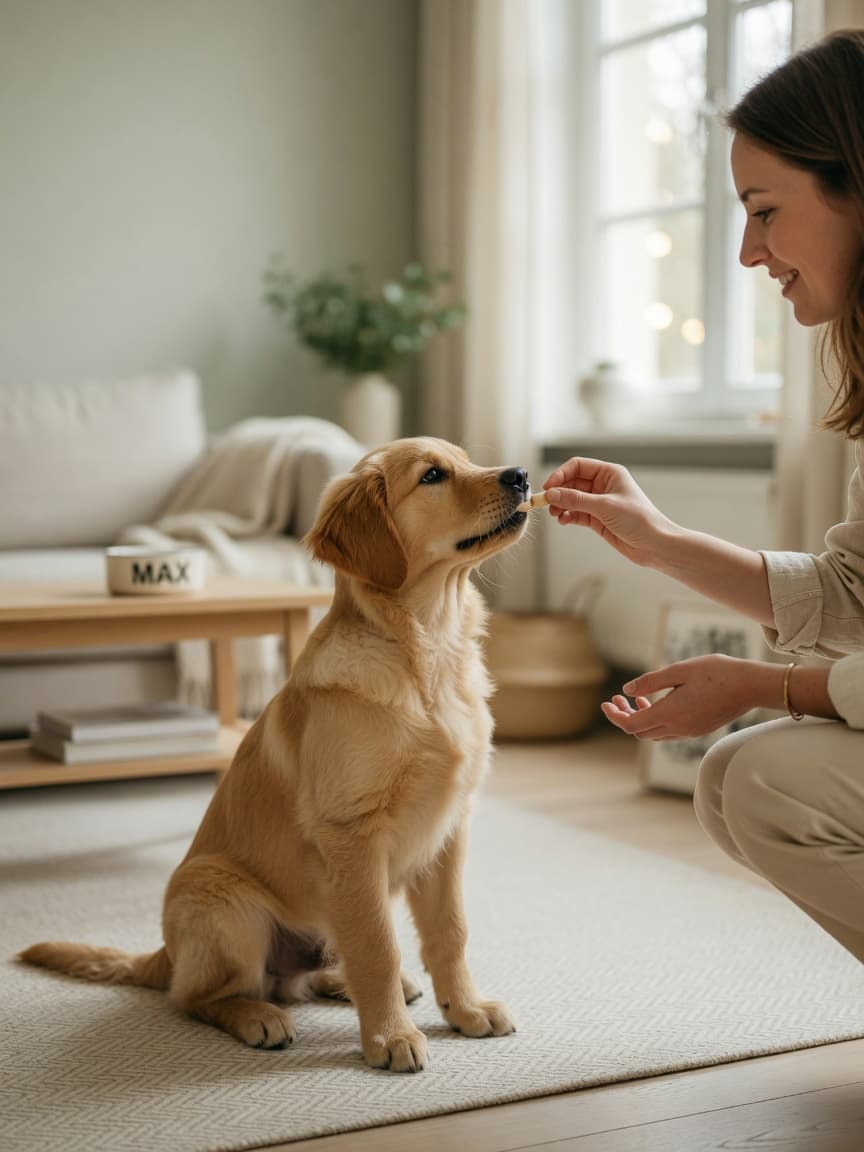
How to DIY Obedience Train Your Dog
Training your dog at home is one of the most rewarding investments you can make in your relationship together. Whether you're working with a spirited puppy or an adult dog, DIY obedience training builds trust, strengthens your bond, and creates a well-behaved companion. The good news? You don't need expensive professional trainers or fancy equipment to succeed. With patience, consistency, and the right approach, you can teach your dog essential commands and good manners yourself.
Establishing the Right Foundation
Before you begin training, understand that dogs respond best to clear communication and positive reinforcement. Create a calm training environment free from distractions, especially in the early stages. Keep sessions short—just 5 to 10 minutes—as dogs have limited attention spans. Always train before meals when your dog is motivated by food rewards, and end on a positive note to keep your dog enthusiastic about future sessions.
Gather essential supplies: high-value treats (small, soft pieces work best), a comfortable lead, and a clear training plan. Your attitude matters enormously; dogs sense frustration, so maintain patience and enthusiasm throughout.
Mastering the Fundamental Commands
Start with these core commands that form the foundation of obedience training:
- Sit: Hold a treat close to your dog's nose, then move it over their head. Their bottom naturally lowers as they follow the treat. Mark the behaviour with "Yes!" and reward immediately.
- Stay: Once your dog sits reliably, ask them to stay while you step back slightly. Return and reward. Gradually increase distance and duration over weeks.
- Come: Start in a enclosed space. Crouch down, show a treat, and call "Come" enthusiastically. Reward generously. This command potentially saves your dog's life.
- Down: From a sit position, lure your dog downward with a treat between their front paws. Reward the moment their belly touches the ground.
- Leave it: Hold a treat in your closed hand. When your dog stops sniffing and backs away, reward with a different treat from your other hand.
Using Positive Reinforcement Effectively
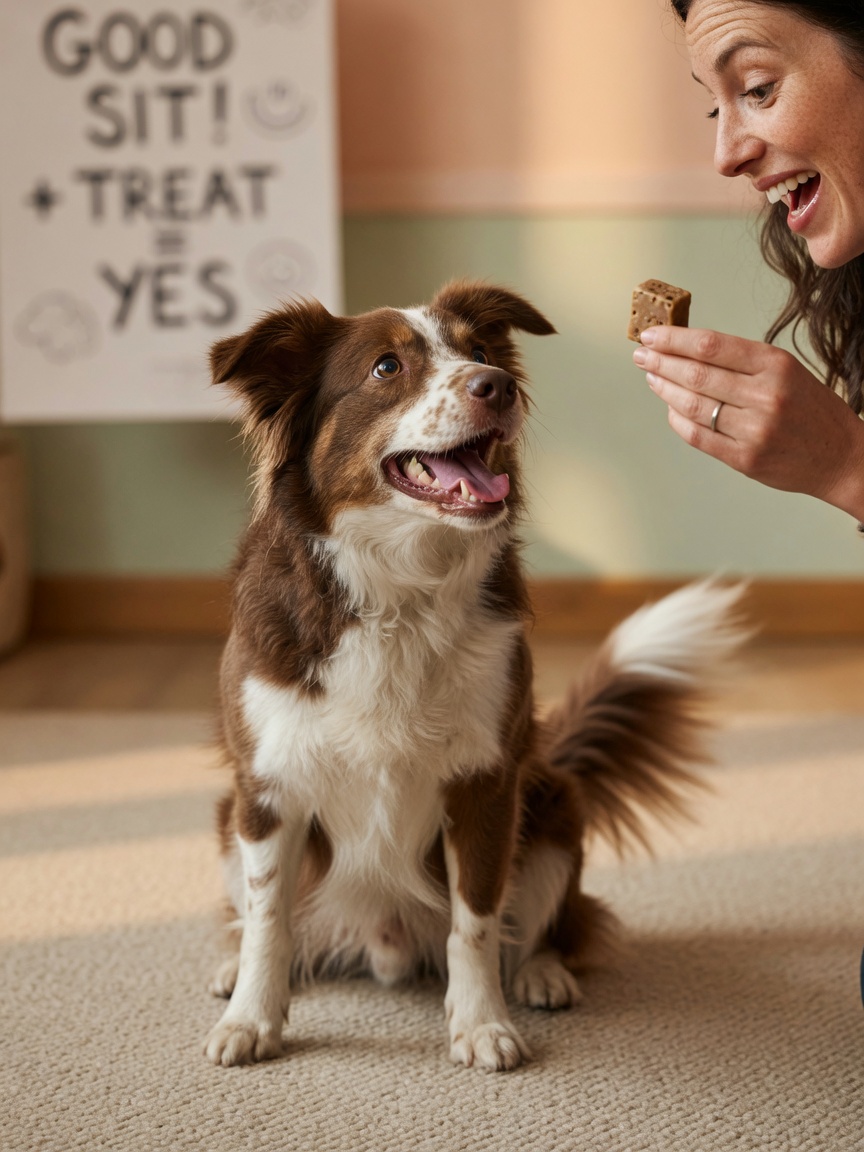
Positive reinforcement is scientifically proven to be more effective than punishment-based methods. Every time your dog performs a desired behaviour, immediately reward them. Timing is crucial—the reward must follow within one to two seconds so your dog makes the connection.
Vary your rewards beyond just treats. Praise, play, and physical affection work wonderfully. Once a command is reliable, gradually reduce treat rewards, though never eliminate praise entirely.
Common Mistakes to Avoid
Even well-intentioned owners can sabotage their training efforts. Don't repeat commands multiple times—saying "sit, sit, sit" teaches your dog to respond only after hearing it several times. Use the command once clearly, then guide your dog if needed.
Avoid training when you're angry or frustrated; dogs pick up on your emotional state. Never use your dog's name as a correction. Skip training sessions inconsistently—dogs thrive on routine. And don't expect perfection overnight; building reliability takes weeks and months.
Progressing to Advanced Training
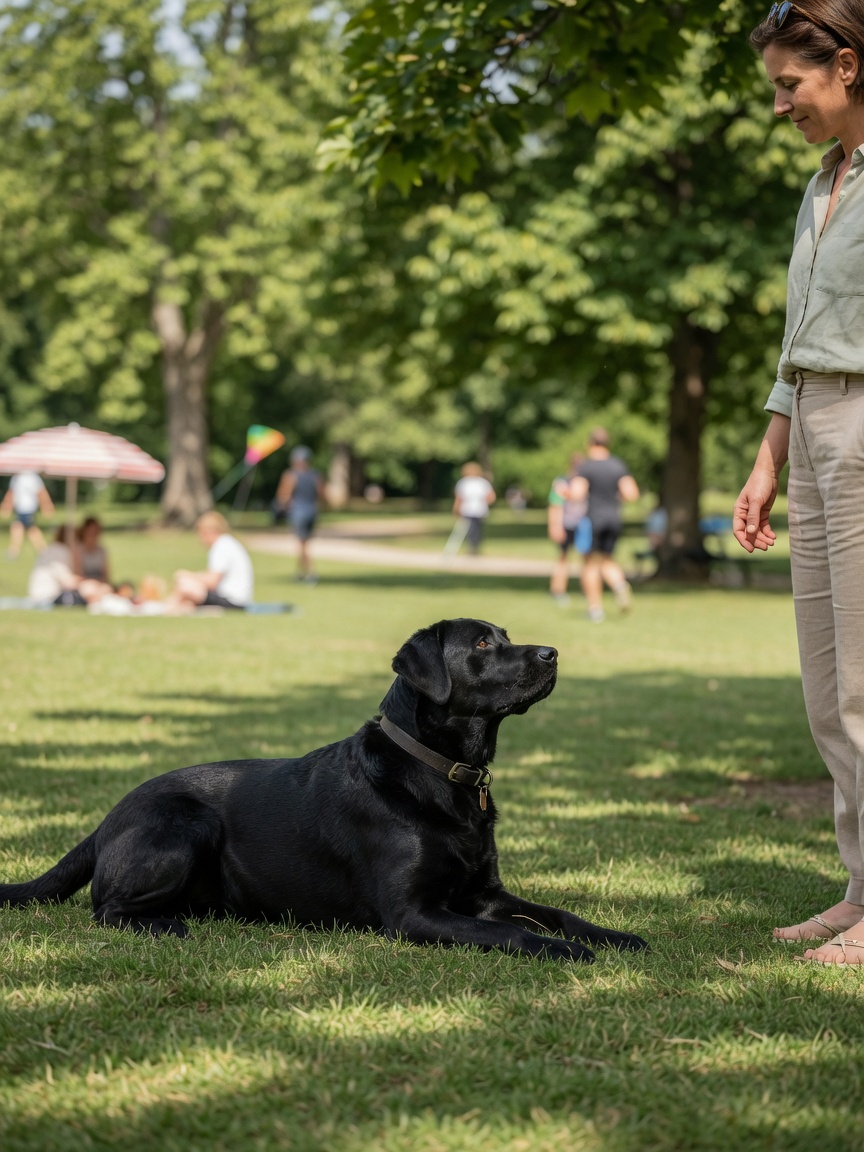
Once basic commands are solid (typically 4-6 weeks), introduce distractions gradually. Practise in different locations—your garden, quiet parks, busy streets. Increase the duration of stays and distance for recalls. Combine commands: "Sit, then stay," for instance. Keep challenging your dog appropriately to maintain engagement.
Key Takeaways for Success
DIY dog training requires consistency, patience, and positive reinforcement. Keep sessions brief and fun, establish clear routines, and celebrate small victories. Remember that every dog learns at their own pace; compare your dog's progress only to their own previous performance. Training is an ongoing journey, not a destination. The time you invest now creates years of harmony with a well-behaved, confident companion who understands what you expect and trusts your guidance completely.