
How to Help a Fat Puppy Lose Weight
Puppy parenthood comes with adorable cuddles and countless photo opportunities, but it also brings important health responsibilities. If you've noticed your young dog is carrying extra weight, you're not alone—obesity in puppies is increasingly common in the UK. The good news? Addressing weight issues early sets the foundation for a healthier, happier life. Unlike adult dogs, puppies require careful management because their growing bodies still need proper nutrition. This guide will help you support your puppy's healthy weight loss journey with science-backed strategies.
Understanding Puppy Weight: Why It Matters
Excess weight in puppies isn't just about appearance—it's a genuine health concern. Overweight puppies face increased risk of joint problems, particularly in large breeds, and may develop metabolic issues that persist into adulthood. Puppy obesity can also lead to reduced activity levels, creating a cycle that's hard to break. However, the encouraging truth is that puppies are more responsive to lifestyle changes than adult dogs, making this an ideal time to intervene.
Get a Professional Assessment First
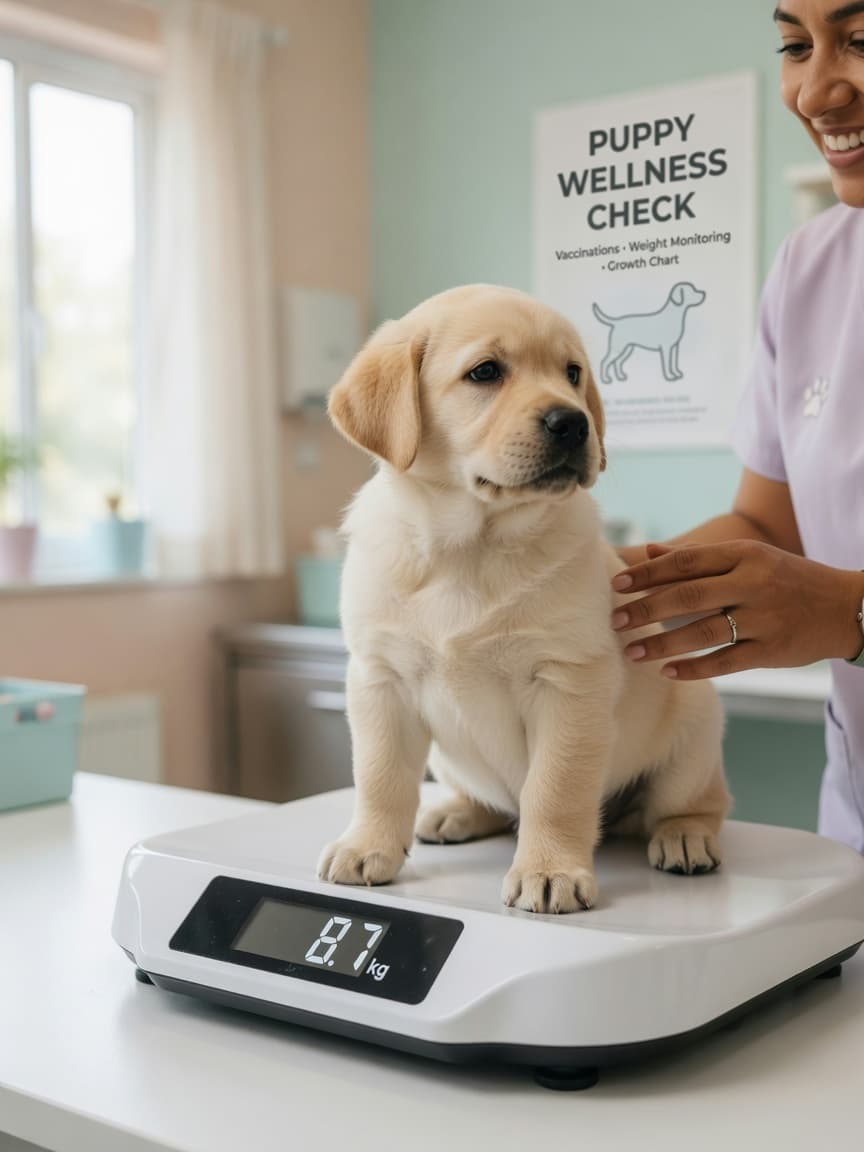
Before making any changes, schedule a visit with your vet. Your puppy's age, breed, and individual growth rate all affect ideal weight. Some breeds naturally carry more weight than others, and your vet can determine whether your puppy is genuinely overweight or simply going through a normal growth phase. They'll also rule out underlying conditions like hypothyroidism that could contribute to weight gain.
Adjust Food Portions and Quality
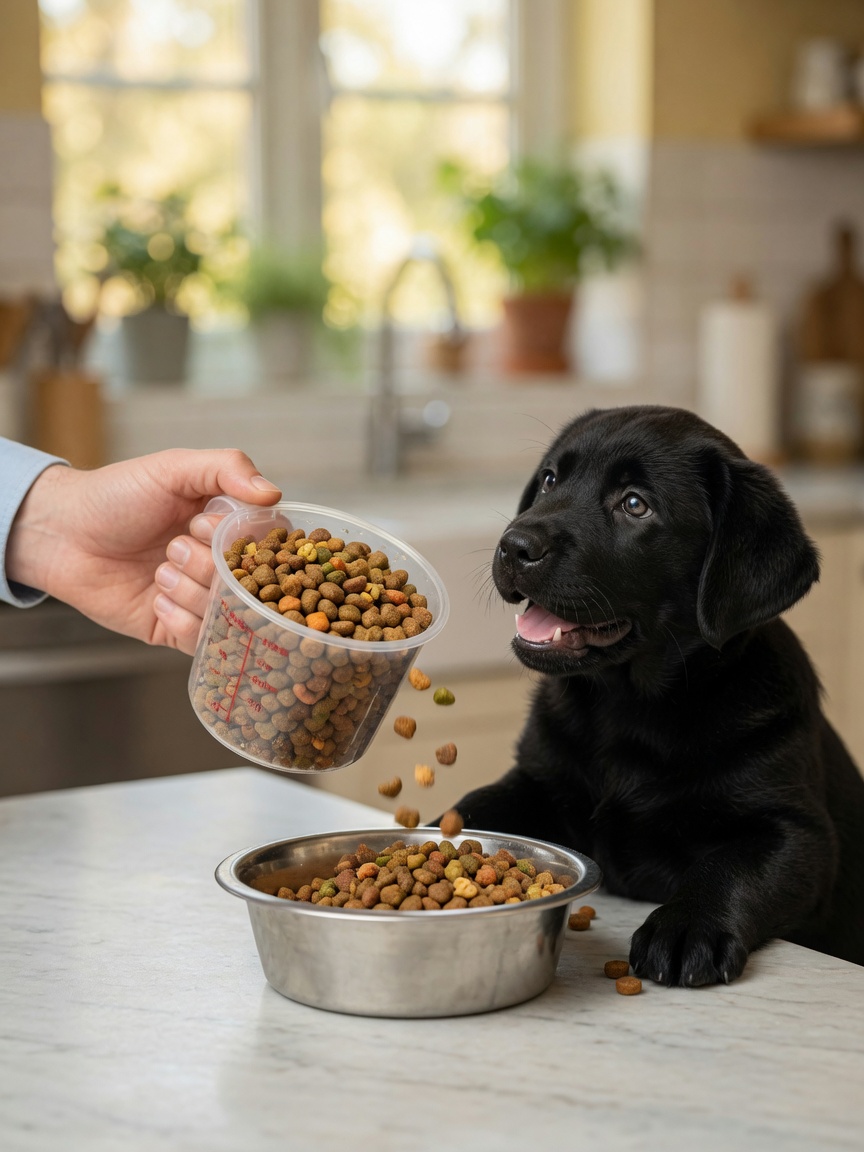
The foundation of weight management is nutrition. Many owners unknowingly overfeed their puppies, particularly with treats.
- Follow feeding guidelines: Use your puppy's current weight (not target weight) to calculate portions, and adjust as they grow
- Measure carefully: Use a proper measuring cup rather than eyeballing portions
- Choose quality food: High-protein, nutrient-dense puppy food keeps puppies fuller for longer
- Control treats: Treats should comprise no more than 10% of daily calories
- Avoid table scraps: These hidden calories quickly add up and teach poor eating habits
Consider switching to a puppy food specifically formulated for weight management, though always transition gradually over 7-10 days to avoid digestive upset.
Increase Physical Activity Gradually

Exercise burns calories and strengthens developing muscles and bones. However, intense exercise can damage growing joints, so approach this carefully:
- Aim for multiple short play sessions throughout the day rather than one long exercise period
- Introduce low-impact activities like swimming or walking on soft ground
- Follow the "five-minute rule": approximately five minutes of exercise per month of age, twice daily
- Avoid jumping, running on hard surfaces, or extreme agility work until growth plates have closed
- Make exercise fun with toys, games, and interaction rather than forced running
Monitor Progress and Stay Consistent
Sustainable weight loss takes time. Aim for gradual loss rather than rapid changes—typically 1-2% of body weight weekly is ideal. Weigh your puppy every two weeks and keep records. You should be able to feel their ribs easily when you gently press their sides, and they should have a visible waist when viewed from above. If progress stalls after four weeks, return to your vet for adjustments.
Key Takeaways
Supporting your puppy's healthy weight requires patience, consistency, and a collaborative approach with your vet. Focus on portion control, high-quality nutrition, and age-appropriate exercise rather than restrictive dieting. These habits you establish now will shape your dog's relationship with food and movement throughout their life. Remember, you're not depriving your puppy—you're giving them the gift of better health and more years together.