
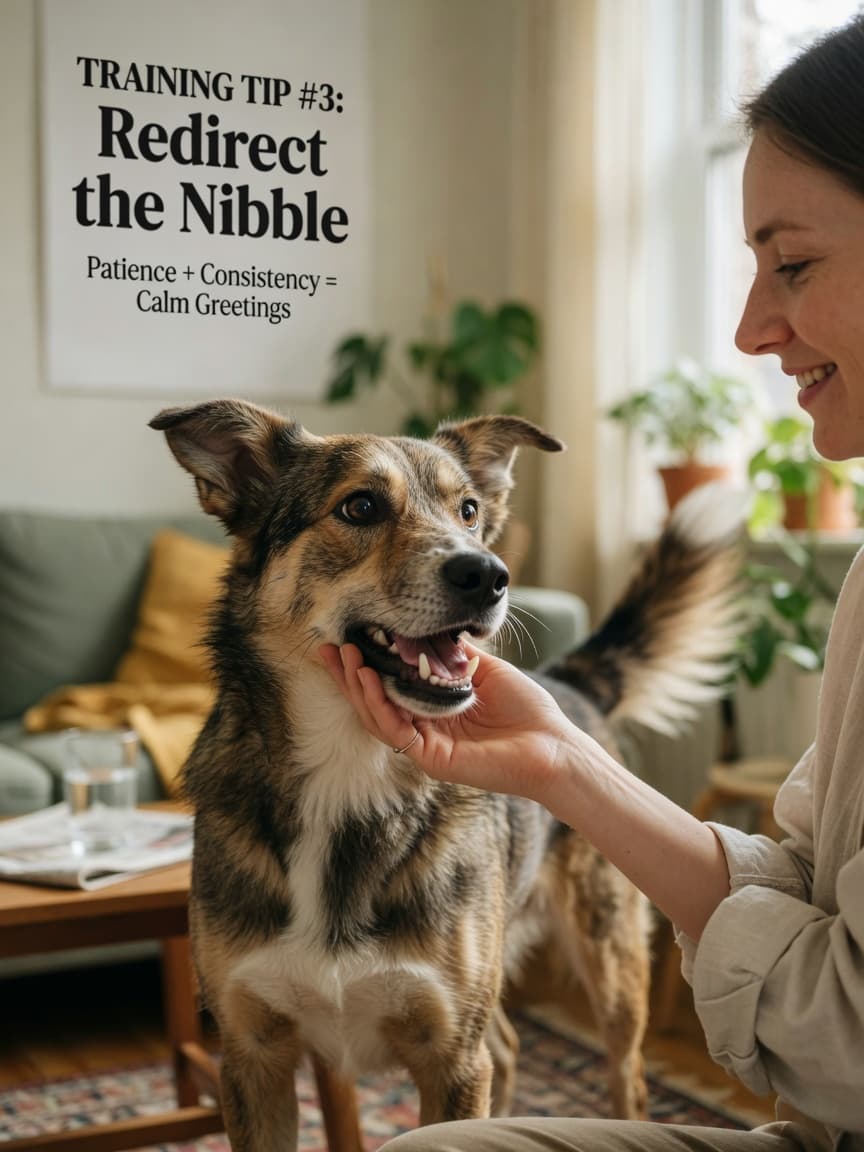
How To Stop a Dog From Nipping When Excited [Causes + Solutions]
Excited nipping is one of the most common behavioural issues dog owners face, particularly during playtime or when greeting guests. Whilst it may seem harmless when your puppy does it, this behaviour can escalate into problematic biting if left unaddressed. Understanding why your dog nips and knowing the right techniques to redirect this natural impulse will help you create a safer, more enjoyable environment for everyone. In this guide, we'll explore the root causes and proven solutions to manage excited nipping effectively.
Why Do Dogs Nip When Excited?
Nipping is a completely natural behaviour rooted in your dog's evolutionary past. Puppies learn bite inhibition through play with littermates, where they discover that hard biting stops the fun. However, several factors can contribute to excessive nipping in adult dogs:
- Overstimulation: Dogs become so excited that they lose impulse control and resort to mouthing and nipping
- Lack of bite inhibition training: Some dogs never properly learned to control bite force during puppyhood
- Playful energy release: Nipping is a way dogs express excitement and engage with their environment
- Attention-seeking: If nipping has previously garnered attention (even negative), your dog may repeat it
- Insufficient exercise: Dogs with pent-up energy are more likely to nip and play roughly
Recognise Excitement Levels Before Nipping Starts
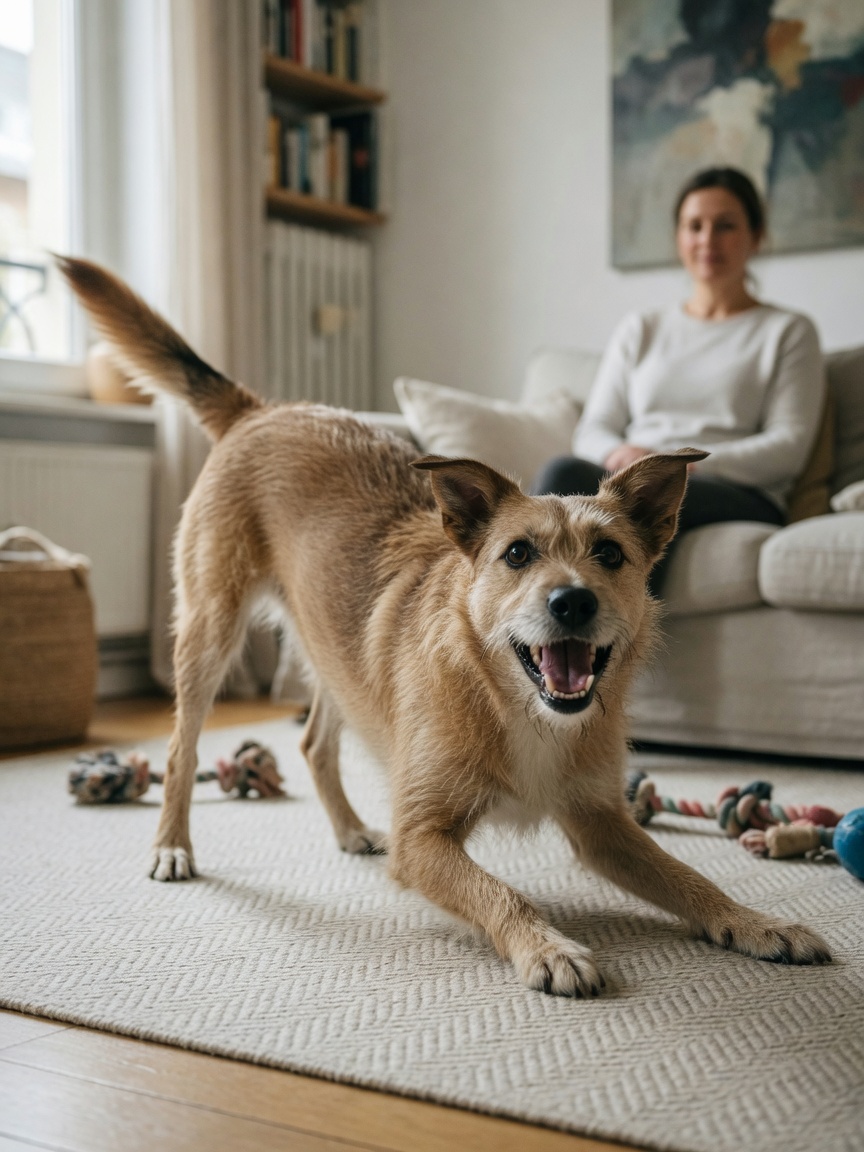
Prevention is far more effective than correction. Learn to spot the early signs of excitement escalation in your dog, including rapid tail wagging, play bowing, jumping, and increased vocalisations. Once you recognise these warning signs, you can intervene before nipping occurs. This proactive approach teaches your dog appropriate ways to express enthusiasm.
Practical Training Techniques
Redirect and Reward
When your dog begins to nip, immediately redirect their energy towards an appropriate toy or activity. Offer a chew toy, Kong, or interactive puzzle toy that channels their excitement productively. Reward calm behaviour generously with treats and praise. Consistency is crucial—every household member must follow the same approach.
The "Yelp and Withdraw" Method
Mimic how puppies respond to hard bites during play. When your dog nips, emit a high-pitched yelp and immediately withdraw attention by turning away or leaving the room for a few minutes. This teaches natural consequences without physical punishment, which can damage trust and worsen aggression.
Enforce Calm Boundaries
During greeting situations, ask guests to ignore your dog until they're calm. No eye contact, touch, or talking. Once your dog sits or settles, they earn attention as a reward. This teaches that calm behaviour, not excitement, gets social interaction.
Increase Physical and Mental Exercise
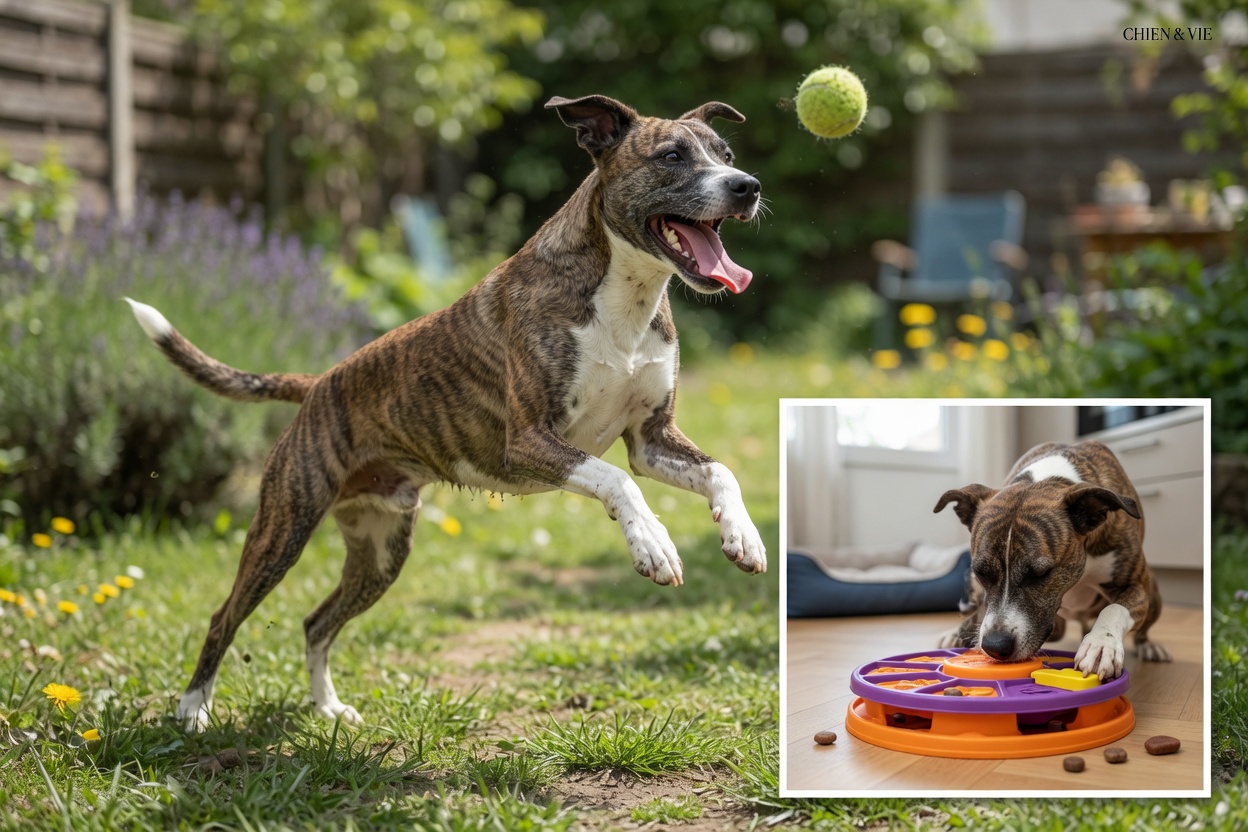
A well-exercised dog is far less likely to engage in excessive nipping. Aim for at least one hour of exercise daily, split into multiple sessions. Include both cardiovascular activity (running, fetch) and mental stimulation (scent games, training sessions, puzzle feeders). Mental enrichment is particularly important, as it often tires dogs more effectively than physical exercise alone.
When to Seek Professional Help
If nipping escalates into aggressive biting, causes injury, or shows signs of resource guarding or fear-based aggression, consult a certified dog behaviourist or your veterinary surgeon. Some cases require professional intervention to prevent serious incidents and address underlying anxiety or behavioural issues.
Key Takeaways
- Excited nipping is normal dog behaviour that can be managed with consistent training
- Redirect nipping energy to appropriate toys and activities immediately
- Use natural consequences like withdrawal of attention rather than punishment
- Ensure adequate daily exercise and mental stimulation to reduce excess energy
- Teach guests how to interact with your dog to reinforce calm greetings
- Remain patient and consistent—behavioural change takes time and repetition
With dedication and the right approach, you can transform excited nipping into calm, controlled play behaviour that keeps your dog and those around them safe and happy.