
How to Tell If Your Cat Is Overweight
Feline obesity has become one of the most common health challenges facing cat owners across Europe today. An estimated 30-40% of domestic cats are considered overweight or obese, yet many owners don't realise their beloved pet is carrying excess weight. Unlike dogs, cats cannot tell us they're uncomfortable or struggling, which makes it our responsibility to monitor their condition closely. Learning to recognise the signs of an overweight cat is the first step towards helping your feline friend live a healthier, longer life.
Understanding the Body Condition Score
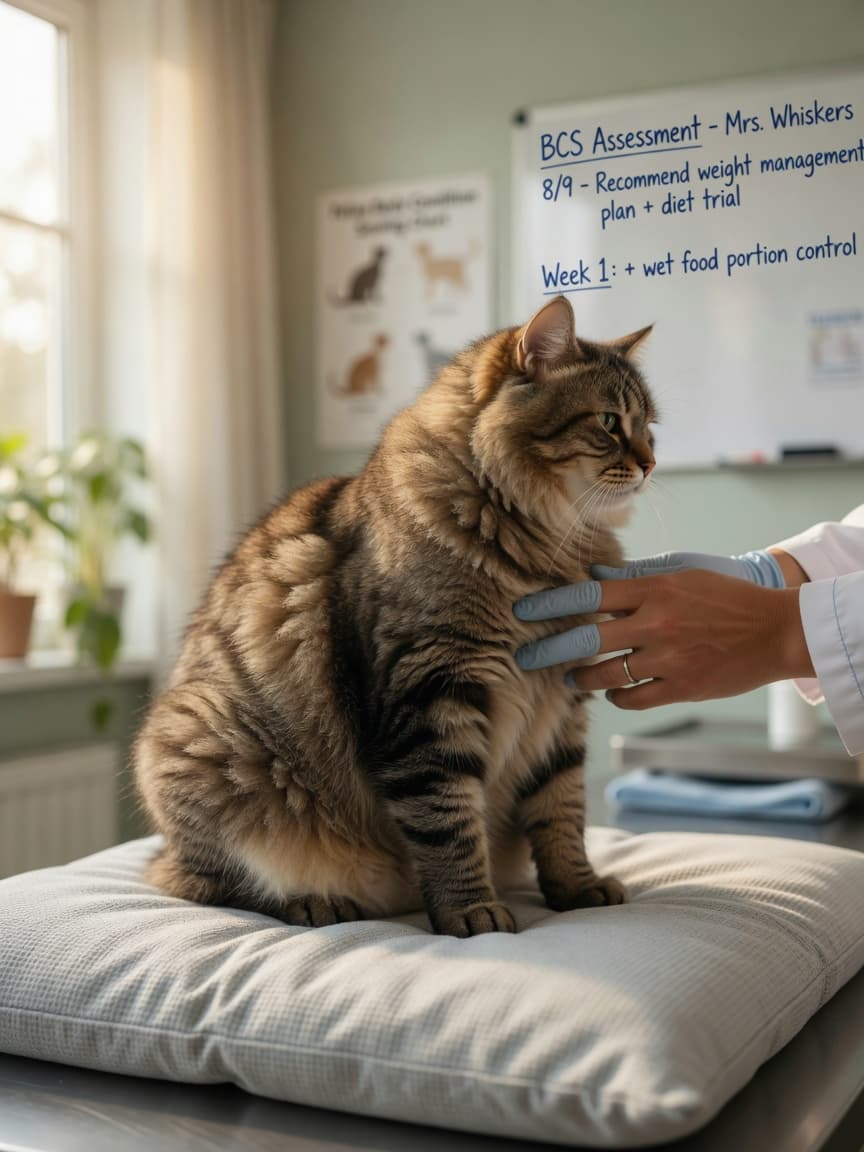
Veterinarians use a Body Condition Score (BCS) to assess whether a cat is at a healthy weight. This standardised system ranks cats on a scale of 1 to 9, with 4-5 being ideal. Rather than relying solely on weight, the BCS considers how much fat you can feel over the ribs and spine.
To perform this assessment at home, gently run your hands along your cat's sides. You should be able to feel the ribs easily without pressing hard, similar to feeling the bones in the back of your hand. The ribs shouldn't be visibly protruding, but they should be distinct to the touch.
Visual Signs of an Overweight Cat
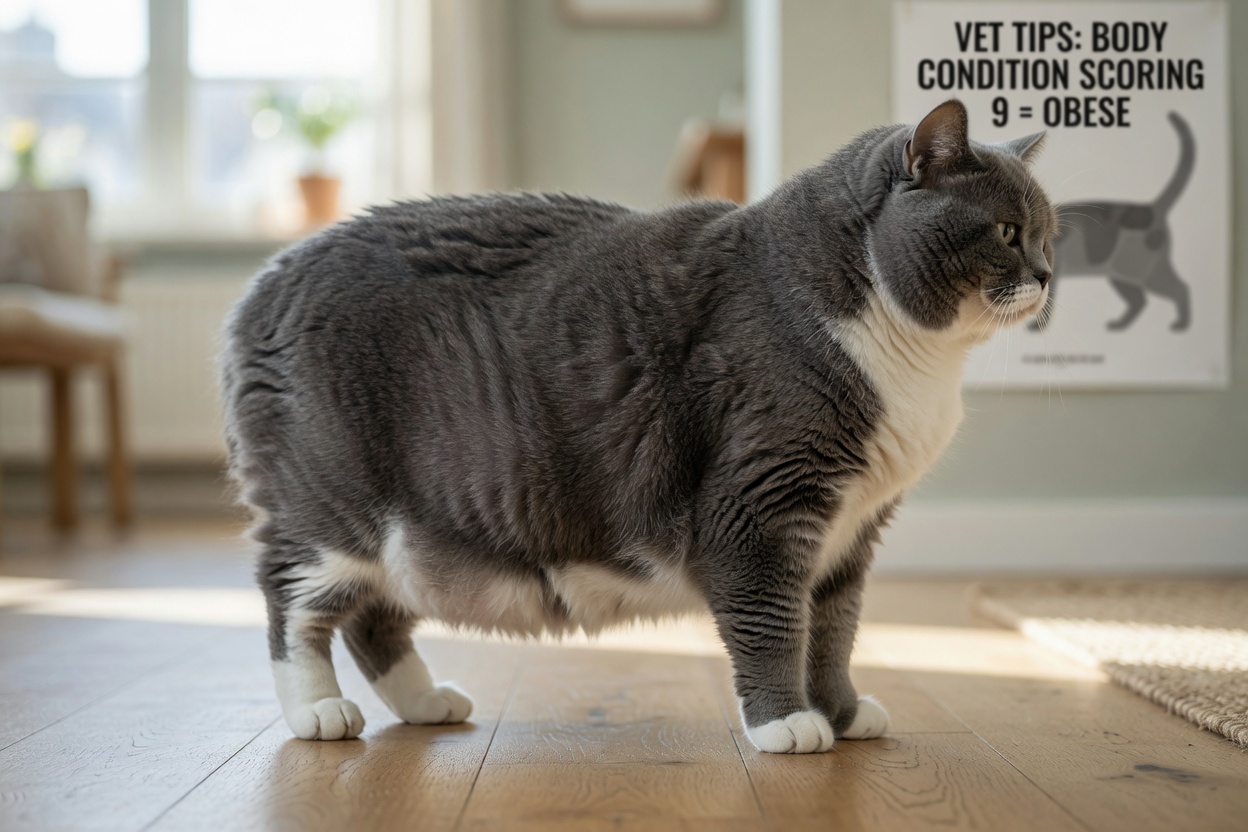
Several physical indicators can help you identify whether your cat is overweight:
- Rounded appearance: The cat's sides look noticeably round rather than gently curved
- Sagging belly: Excess loose skin hangs down from the abdomen, sometimes called a "primordial pouch" when excessive
- Loss of waist definition: When viewed from above, there's no visible narrowing between the ribs and hips
- Unclear spine: The backbone is difficult or impossible to feel through fatty deposits
- Face and cheeks: Increased fat deposits making the face appear broader and fuller
Behavioural Changes in Overweight Cats
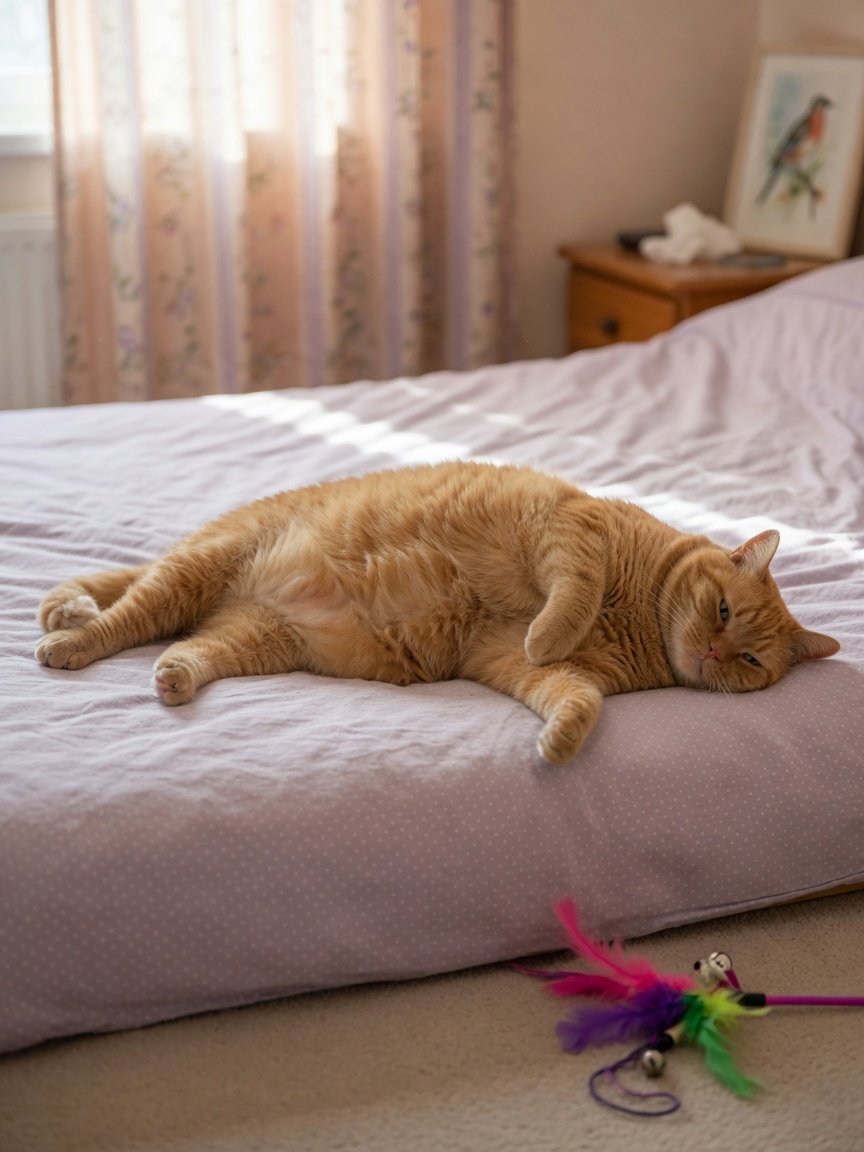
Excess weight affects more than just a cat's appearance—it influences their behaviour and lifestyle. Watch for these telltale signs:
- Reduced activity levels and excessive sleeping (more than 16 hours daily)
- Difficulty or reluctance to jump onto furniture
- Laboured breathing or wheezing, especially after play
- Reduced grooming habits, leading to matted or unkempt fur
- Decreased interest in play or exercise
- Increased vocalisations or signs of discomfort when moving
Health Concerns Associated with Feline Obesity
Overweight cats face significantly higher risks of serious health conditions, including:
- Type 2 diabetes mellitus
- Osteoarthritis and joint pain
- Fatty liver disease (hepatic lipidosis)
- Heart disease and high blood pressure
- Decreased life expectancy
- Reduced mobility and quality of life
When to Consult Your Veterinarian
If you suspect your cat is overweight, schedule an appointment with your vet. They can provide an accurate assessment and rule out underlying medical conditions such as thyroid disorders or hormonal imbalances that may contribute to weight gain. Your vet can also recommend appropriate dietary changes and exercise plans tailored to your cat's individual needs.
Key Takeaways
Recognising an overweight cat requires attention to both physical appearance and behaviour. Use the Body Condition Score method to assess your cat's ribs and spine regularly. If you notice excess fat deposits, loss of waist definition, or behavioural changes like reduced activity, contact your vet promptly. Early intervention can prevent serious health complications and ensure your cat enjoys a happy, active life for years to come. Remember, maintaining a healthy weight is one of the most important investments you can make in your cat's long-term wellbeing.