
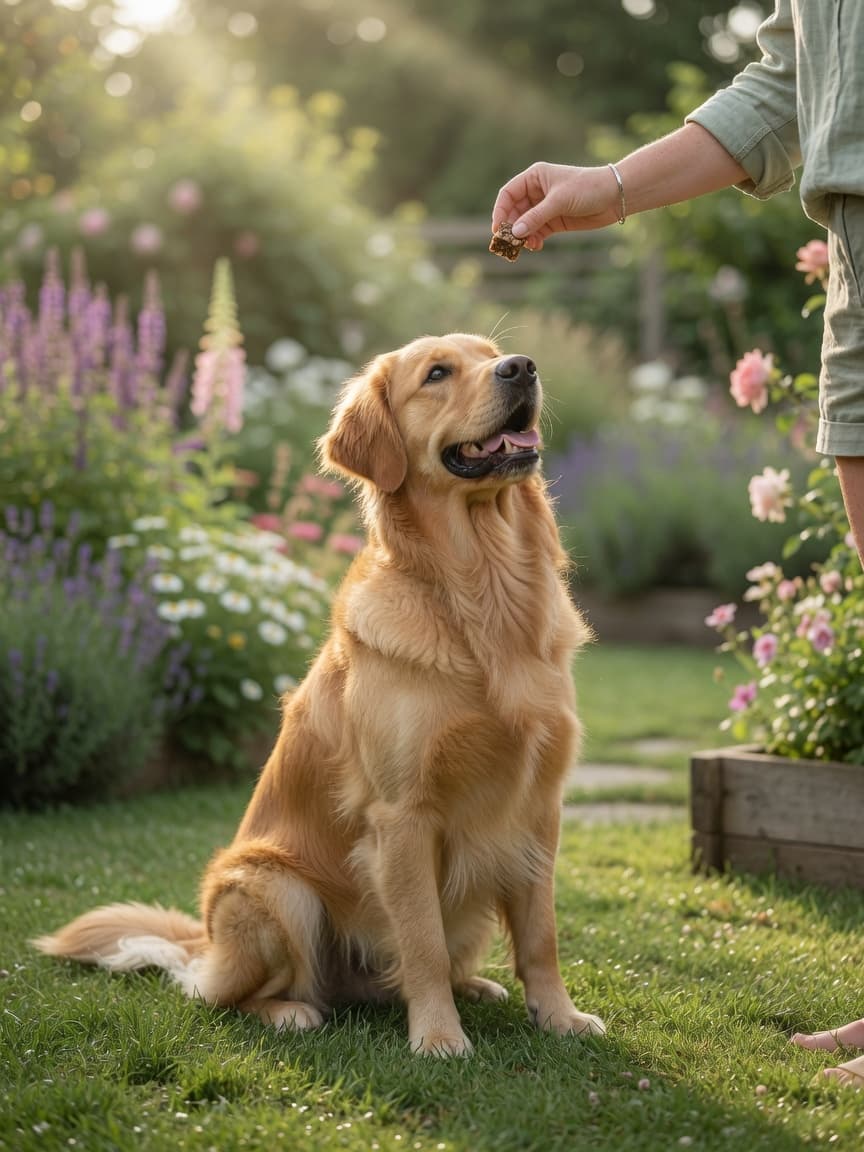
How to Train Your Dog to Sit on Command
Teaching your dog to sit is one of the most fundamental and rewarding training experiences you'll share together. Not only is it an essential command for safety and manners, but it also builds confidence in your dog and strengthens your bond. Whether you have a playful puppy or an adult dog, the "sit" command is achievable at any age with patience, consistency, and the right approach. This guide will walk you through everything you need to know to successfully train your dog to sit on command.
Why the Sit Command Matters
The sit command serves as a foundation for all other obedience training. It's incredibly practical in everyday life—from greeting visitors at the door to waiting patiently at the veterinary surgery. A dog that sits on command is safer around traffic, other dogs, and children. Furthermore, teaching your dog to sit provides mental stimulation, which is vital for their wellbeing and can reduce behavioural problems caused by boredom.
Preparing for Training Success
Before you begin, gather the essential tools:
- High-value treats—small, soft pieces of chicken, cheese, or specialised training treats work best
- A quiet space with minimal distractions for initial sessions
- A training collar or lead if your dog tends to wander
- Patience and a positive mindset
Training sessions should be short—just 5 to 10 minutes—to maintain your dog's focus and enthusiasm. The best time to train is when your dog is alert but not overly excited, typically after a short walk or play session.
Step-by-Step Training Method
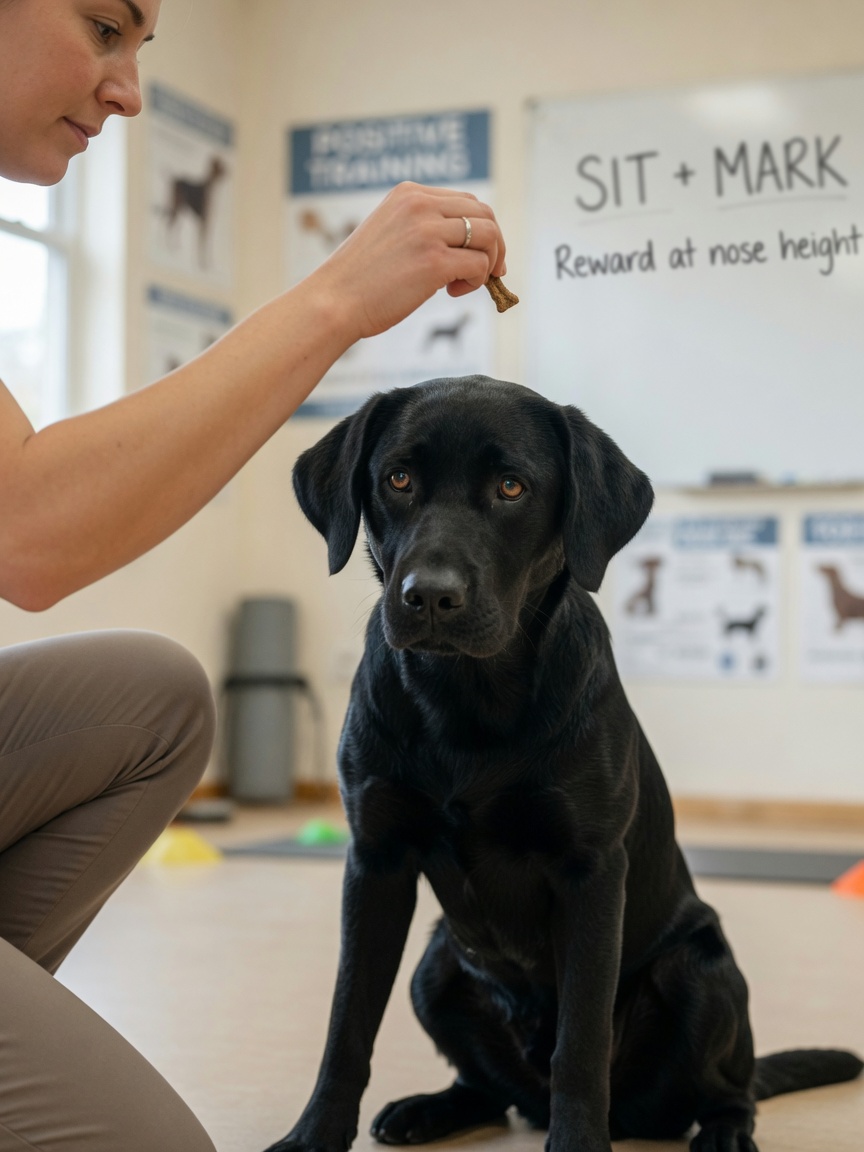
Follow this proven approach to teach the sit command:
- Get Your Dog's Attention: Hold a treat close to your dog's nose, allowing them to smell it. This captures their focus and readies them for learning.
- Lure the Sit Position: Slowly move the treat upward and slightly backward over their head. Most dogs naturally sit as they follow the treat with their eyes.
- Mark the Behaviour: The moment your dog's bottom touches the ground, use a clear marker word like "Yes!" or a clicker, if you're using clicker training.
- Reward Immediately: Give the treat straight away whilst your dog is still sitting. This creates a strong association between the action and the reward.
- Add the Verbal Cue: As you lure them into position, say "Sit" in a clear, consistent voice. Repeat this process 5 to 10 times per session.
- Reduce the Lure: After several sessions, begin to decrease your reliance on the treat lure. Use hand signals instead, gradually fading them out as your dog learns.
Common Mistakes to Avoid
Even well-intentioned owners can inadvertently slow their dog's progress. Steer clear of these pitfalls:
- Pushing your dog's bottom down forcefully—this can create resistance and confusion
- Repeating the command multiple times—say it once, then reward the correct behaviour
- Inconsistent reward timing—the sooner you reward, the faster your dog learns
- Training when your dog is tired or distracted
- Expecting perfection too quickly—progress takes time
Progressing Your Training
Once your dog reliably sits in a quiet environment, gradually increase the difficulty. Practice in different locations—the garden, the park, near the shops—so your dog understands that "sit" applies everywhere. Introduce distractions gradually, and vary your rewards by mixing treats with praise and play. Remember that consistency from all family members is crucial; everyone must use the same command word and reward system.
Key Takeaways
Training your dog to sit is an achievable goal that pays dividends throughout their life. Keep sessions short, stay positive, and always reward success immediately. With patience and dedication, most dogs learn this command within a few weeks. Celebrate small victories, remain consistent, and enjoy the bonding experience that training provides. Your dog isn't just learning a command—they're learning to work with you as a team.