
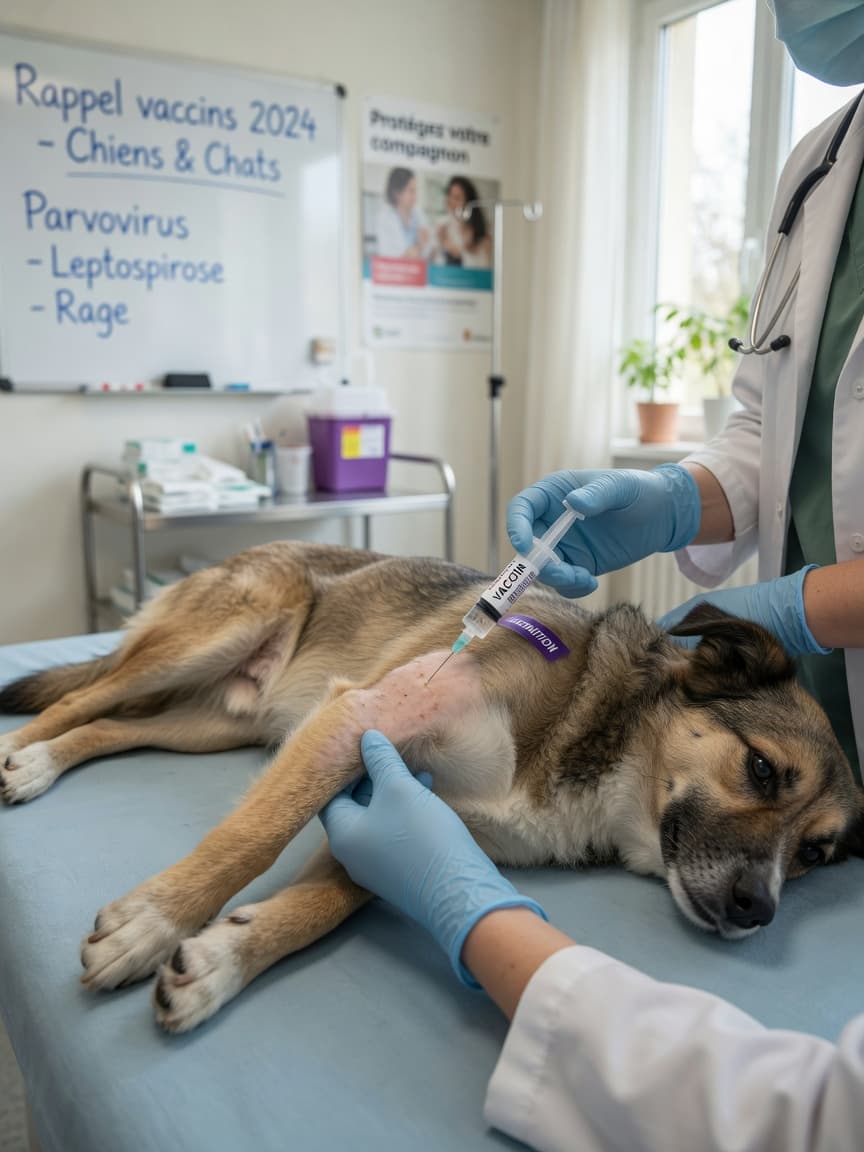
A Disease From Puddles, Rivers and Rats
Leptospirosis is caused by bacteria of the genus Leptospira and is one of the most widespread zoonotic diseases in the world — meaning it can pass from animals to humans. In dogs, it causes acute kidney failure, liver disease and, in severe cases, death. It is also entirely preventable, yet it remains a source of genuine confusion for owners because there are two different vaccine formulations available in the UK, covering different numbers of bacterial serovars. Understanding the difference matters.
What Leptospirosis Does to a Dog
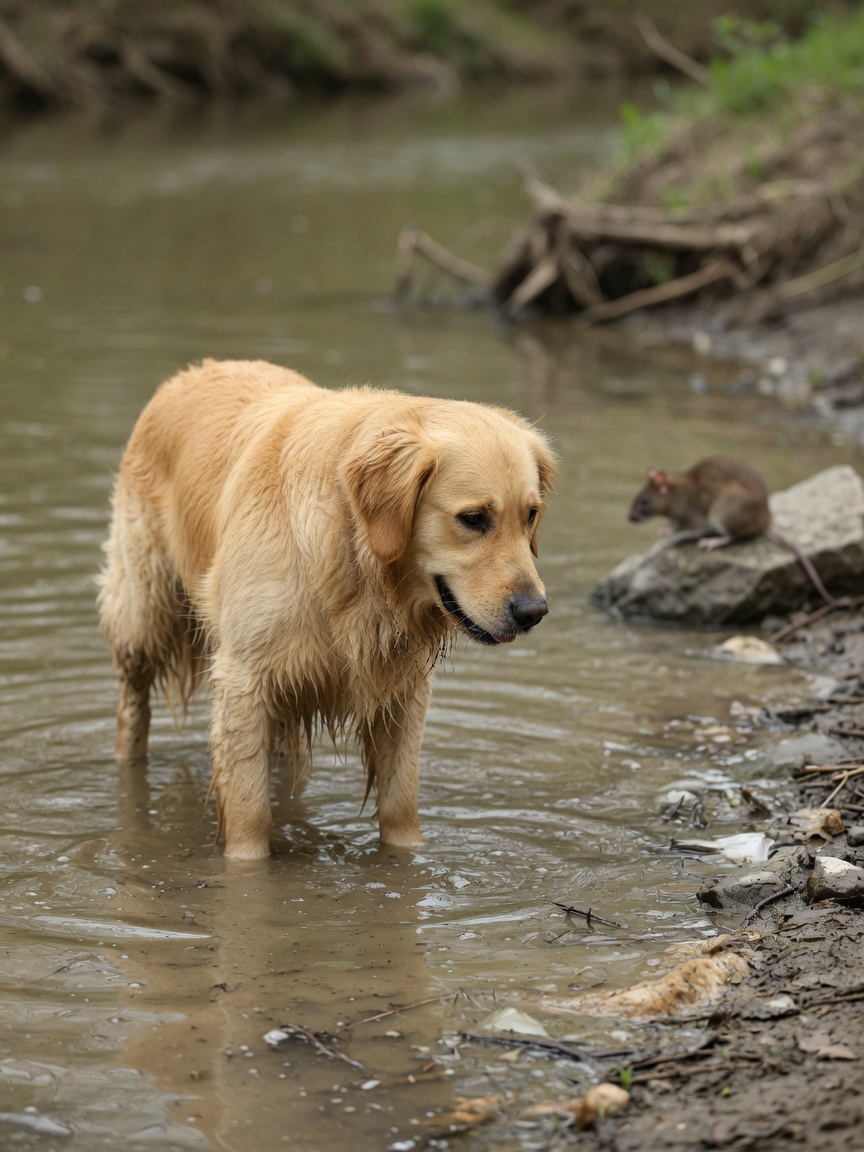
Leptospira bacteria enter the body through mucous membranes or broken skin following contact with contaminated water, soil or urine. Rats are the primary reservoir in the UK, shedding bacteria in their urine into puddles, rivers, canals and flood water. Dogs that swim, paddle or drink from natural water sources carry a higher exposure risk, though any dog can be infected.
After entering the bloodstream, the bacteria multiply rapidly and spread to the kidneys, liver and other organs. Acute kidney injury is the most common presentation, often accompanied by fever, muscle pain, vomiting and jaundice. Without prompt treatment — which involves aggressive intravenous fluid therapy and antibiotics — dogs can deteriorate to the point of organ failure within days. Survivors sometimes require ongoing management for chronic kidney disease.
Serovars: Why the Distinction Between L2 and L4 Matters
Leptospira is not a single bacterial strain. There are hundreds of serovars (variants) worldwide, and vaccine protection is largely serovar-specific — immunity to one does not guarantee immunity to another. This is why the number of serovars a vaccine covers is clinically relevant.
L2 Vaccines
The older L2 formulations protect against two serovars: Leptospira icterohaemorrhagiae and Leptospira canicola. These were historically the most common serovars causing disease in UK dogs, and L2 vaccines have been in use for decades. They are effective against the serovars they cover and have a well-established safety profile.
L4 Vaccines
L4 formulations add protection against two additional serovars: Leptospira australis and Leptospira grippotyphosa. Surveillance data collected over the past fifteen years consistently shows that these serovars are now responsible for a significant proportion of leptospirosis cases in UK dogs. In some studies, Leptospira australis has emerged as the dominant serovar in confirmed canine cases, a shift that L2 vaccines do not address.
L4 vaccines were introduced in the UK around 2014 and have since been adopted as the preferred formulation by many veterinary practices, particularly for dogs with regular outdoor or water exposure.
Which Vaccine Does Your Dog Actually Need?
This is not a one-size-fits-all answer, and any vet who gives you one without considering your dog's individual circumstances is oversimplifying. The relevant factors include lifestyle, geography, and local disease prevalence.
Higher Risk Dogs
Dogs that regularly swim in rivers, lakes or canals; those that live in rural areas with high rodent activity; working dogs, gundogs and hunting breeds; and dogs that travel to mainland Europe — where different serovar patterns apply — are generally considered higher risk. For these dogs, the broader coverage of L4 is typically recommended and is widely considered best practice by UK veterinary bodies including the BSAVA.
Lower Risk Dogs
Urban dogs with limited outdoor exposure and no contact with natural water sources carry a lower risk. In these cases, some vets may still offer L2 on the basis that it covers the historically dominant serovars and has fewer reported adverse reactions in some populations. However, the epidemiological trend toward australis and grippotyphosa means this argument carries less weight than it once did.
The honest answer for most dogs in the UK is that L4 is now the more appropriate choice, reflecting the current serovar landscape. Your vet should be able to share local or regional surveillance data to support their recommendation.
Addressing Concerns About L4 Safety
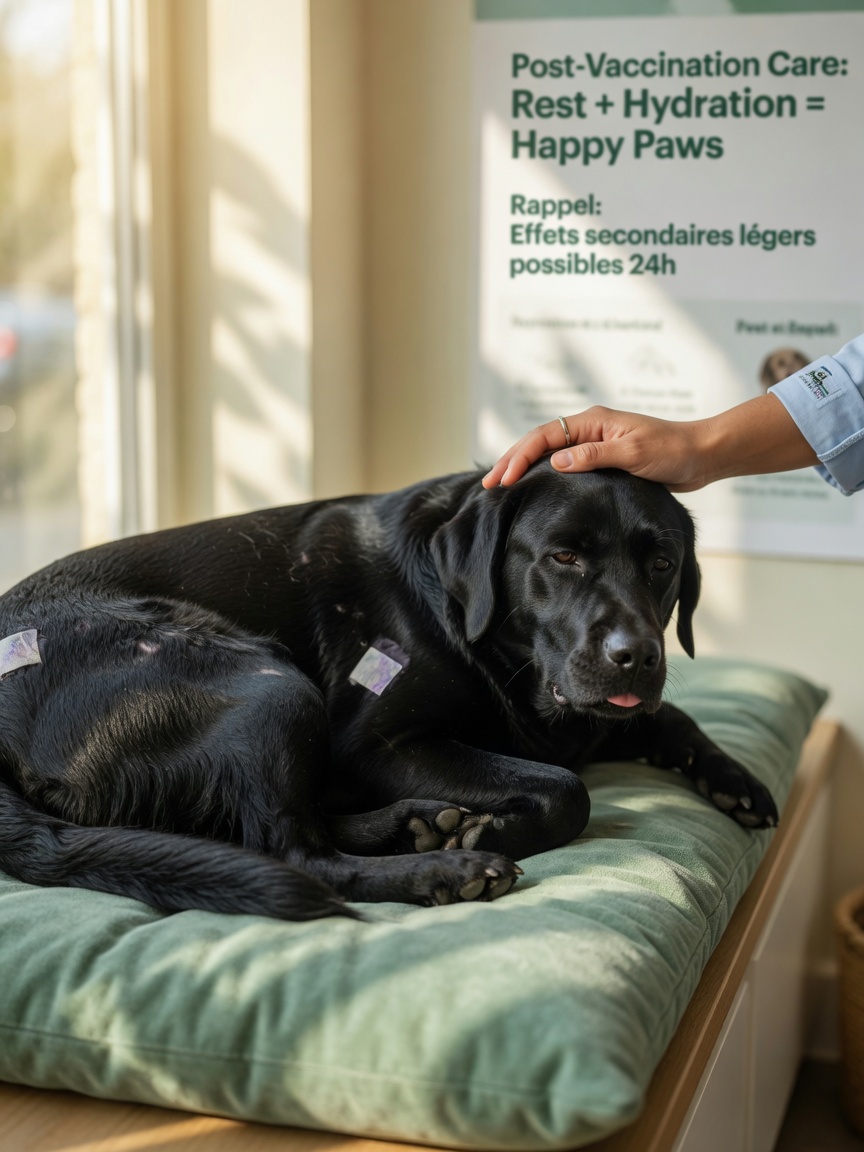
When L4 vaccines were introduced, some owners and clinicians raised concerns about adverse reactions, particularly transient lethargy and reduced appetite in the 24 to 48 hours following vaccination. Post-marketing surveillance did identify a higher rate of mild adverse events compared to L2 in some studies, which led to concerns being raised with the Veterinary Medicines Directorate.
Subsequent reviews concluded that the benefits of broader serovar coverage outweigh the risks of mild, self-limiting reactions in the majority of dogs. Serious adverse events are rare. That said, dogs with a history of vaccine reactions should be discussed individually with a vet before any vaccination decision is made.
Vaccination Schedule and Boosters
Unlike some core vaccines where triennial boosters are appropriate, leptospirosis vaccination requires annual boosters. This is because immunity against Leptospira wanes more rapidly than immunity to viral diseases such as distemper or parvovirus. Gaps in annual vaccination mean a dog effectively loses protection and may need to restart the primary course.
The primary course for puppies consists of two doses given four weeks apart, with the first dose typically given at eight weeks. The leptospirosis component is included in most combined puppy vaccines. Annual boosters should be maintained consistently, particularly for higher-risk dogs.
Leptospirosis as a Zoonotic Disease
It bears emphasising that leptospirosis can infect humans. People most commonly contract it through contact with contaminated water or soil, but an infected dog shedding bacteria in its urine poses a real, if low, risk to household members. Prompt veterinary treatment reduces this risk. Owners should wear gloves when handling a sick dog's urine and wash hands thoroughly.
What to Discuss With Your Vet
- Ask which serovars are currently prevalent in your local area
- Share honest information about your dog's lifestyle — swimming, rural walks, travel
- Discuss any history of vaccine reactions before choosing a formulation
- Confirm your dog's booster is due annually, not every three years
- If your dog swims regularly in natural water, consider this a higher-risk activity regardless of vaccination status
Speak to your vet to determine which formulation suits your dog's risk profile. Leptospirosis is serious, treatable if caught early, and preventable — but the prevention needs to be the right one.