
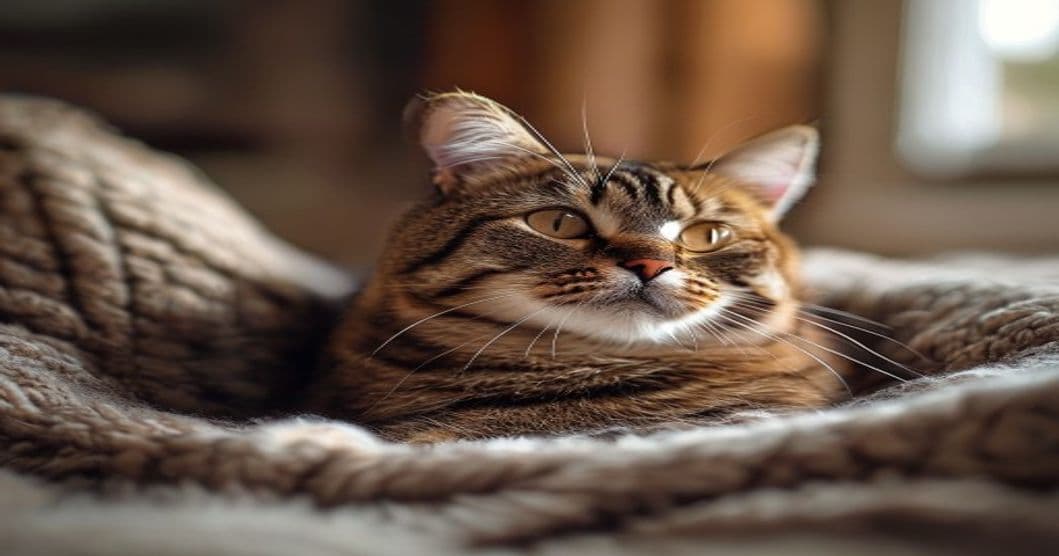
Senior Cat Care: The 12-Point Checklist for Cats Over 10
Cats are famously stoic. They don't limp dramatically or lose their appetite the moment something hurts — they quietly compensate, hide in plain sight, and groom through discomfort until a problem becomes impossible to ignore. For cats over 10, this means that attentive, proactive care from their owner is genuinely life-extending. This 12-point checklist gives you a structured way to monitor the health, comfort, and quality of life of your senior cat — month by month, at every vet visit, and in your daily routine.
Veterinary & Health Monitoring
1. Schedule biannual vet visits (not annual)
Once a cat reaches 10, an annual check-up is no longer sufficient. A cat ages roughly four human years for every calendar year — so a year between vet visits is the equivalent of skipping your own check-up for four years. Biannual visits allow early detection of hyperthyroidism, chronic kidney disease (CKD), diabetes, and Dental Disease: Signs, Stages & Prevention Guide">Dental Disease: Why 70% of Cats Over 3 Have It">dental disease — the four most common senior cat conditions.
2. Request a senior blood panel
At every visit, ask for a full blood chemistry panel including kidney markers (creatinine, BUN, SDMA), thyroid levels (T4), liver enzymes, and a complete blood count. The SDMA test detects kidney decline up to two years before creatinine rises — it's worth specifically requesting. Early CKD is manageable; late-stage CKD is not.
3. Monitor blood pressure
Hypertension is common in senior cats, especially those with hyperthyroidism or Kidney Disease in Cats: Diet, Symptoms & Prognosis">Kidney Disease Diet">Kidney Disease in Cats: Diet, Symptoms & Prognosis">Kidney Disease Diet">Kidney Disease in Dogs: Diet, Supplements & Quality of Life">Kidney Disease in Dogs: Diet, Supplements & Quality of Life">kidney disease. It can cause sudden blindness, neurological signs, or heart changes — all of which are preventable with medication if caught early. Blood pressure measurement should be part of every senior visit.
4. Check urine regularly
A urinalysis at least once a year (ideally twice) flags infections, early kidney problems, and diabetes. You can collect a sample at home with a non-absorbent litter kit — ask your vet for one. Changes in litter box habits (more frequent urination, straining, blood) warrant an immediate check, not a wait-and-see approach.
Nutrition & Hydration
5. Prioritise high-quality protein
Senior cats are obligate carnivores with increasing protein requirements as muscle mass declines with age. Choose foods with named meat (chicken, turkey, salmon) as the first ingredient. Avoid formulas that pad protein content with plant-based sources — cats cannot efficiently use plant protein. Wet food is preferable for seniors for both protein quality and hydration.
6. Boost daily water intake
Cats evolved in arid environments and have a low thirst drive — a problem that worsens with age and kidney decline. A water fountain encourages drinking through movement and aeration. Wet food (which is 70–80% water vs. 10% for kibble) is the single most effective way to increase daily fluid intake. If your cat still prefers dry food, try adding warm water or low-sodium broth to it.
For senior-specific wet food formulas designed for digestibility and kidney support, Zooplus stocks a wide range of senior cat wet foods from brands like Royal Canin, Hill's, and Purina Pro Plan.
Comfort & Mobility
7. Assess joint comfort and mobility
Feline osteoarthritis is dramatically underdiagnosed — studies suggest over 90% of cats over 12 have radiographic evidence of arthritis, yet fewer than 4% are treated for it. Signs are subtle: reluctance to jump, stiffness after rest, reduced grooming of the lower back, or avoiding the litter box (especially if it has high sides). Ask your vet specifically about pain assessment.
8. Adapt the home environment
Lower the sides of the litter box or add a ramp. Place food, water, and a cosy resting spot on a single level so your cat doesn't need to climb. Provide orthopedic or heated cat beds — warmth significantly eases arthritic joints. Non-slip mats on hard floors reduce the effort needed to move confidently.
Dental & Coat Health
9. Address dental disease proactively
By age 10, most cats have some degree of dental disease. Untreated, this causes chronic pain that suppresses appetite, leads to systemic inflammation, and worsens kidney disease. A dental clean under anaesthesia (your vet will assess anaesthetic safety given age and bloodwork) can dramatically improve quality of life. Daily tooth brushing or dental treats help between cleans.
10. Monitor grooming and skin condition
A healthy senior cat still grooms regularly. Over-grooming (bald patches, inflamed skin) suggests pain, allergies, or stress. Under-grooming (matted coat, greasy fur, ungroomed lower back) suggests arthritis, obesity, dental pain, or cognitive decline. Brushing your cat daily lets you monitor the coat while checking for new lumps, parasites, or weight changes.
Cognitive & Emotional Wellbeing
11. Watch for signs of cognitive dysfunction
Feline cognitive dysfunction syndrome (CDS) affects around 28% of cats aged 11–14 and over 50% of cats over 15. Signs include vocalising at night, getting stuck in corners, forgetting litter box location, and changes in sleep-wake cycles. Early intervention with enrichment, routine, and in some cases supplements or medication can slow progression significantly.
For cats showing early cognitive or anxiety symptoms, HolistaPet's CBD cat products are formulated for senior wellness — always discuss with your vet before introducing new supplements.
12. Protect routine and reduce stress
Senior cats are more sensitive to environmental change than younger cats. New furniture arrangements, new pets, building work, or changes in household routine can trigger anxiety, inappropriate elimination, or appetite loss. Keep feeding times, sleeping spots, and litter box locations consistent. Extra one-on-one time and gentle interactive play maintain mental stimulation without physical overexertion.
Key Takeaways
- Switch to biannual vet visits at age 10 — annual check-ups are not frequent enough for senior cats.
- Request an SDMA kidney test specifically — it detects decline years before standard creatinine tests.
- Wet food is the single most impactful dietary change for senior cat health, boosting protein quality and hydration simultaneously.
- Arthritis affects the vast majority of cats over 12 — subtle mobility changes deserve a pain assessment, not a wait-and-see approach.
- Cognitive decline is common but manageable with early detection, enrichment, and routine consistency.
References
- Gunn-Moore DA. "Cognitive dysfunction in cats: clinical assessment and management." Topics in Companion Animal Medicine. 2011;26(1):17–24. PMID: 21435623
- Lund EM, et al. "Health status and population characteristics of dogs and cats examined at private veterinary practices in the United States." Journal of the American Veterinary Medical Association. 1999;214(9):1336–1341. PMID: 10319174
Written by Sarah Bennett, Certified Animal Nutritionist. This article is for informational purposes only and does not replace veterinary medical advice.