
When Your Older Dog Won't Eat - Whole Dog Journal
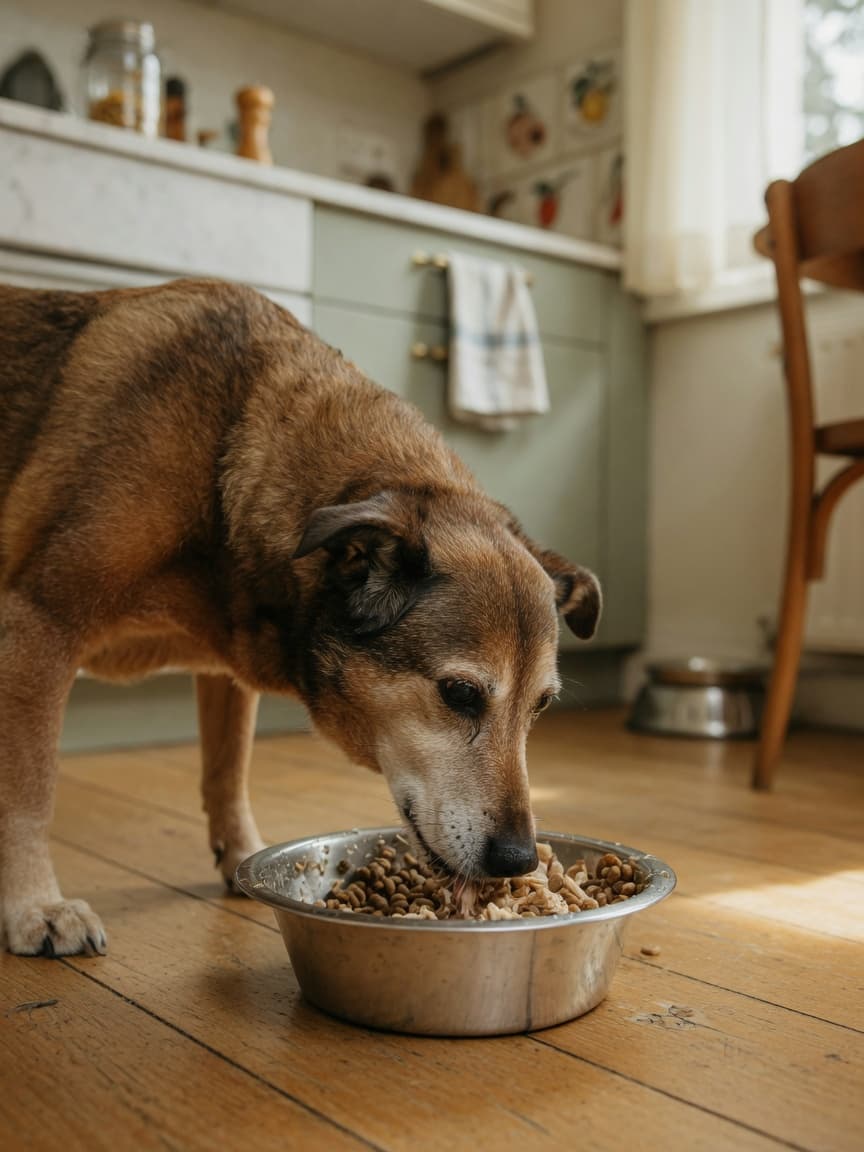
Watching your beloved senior dog turn away from their food bowl can be deeply concerning. Loss of appetite in older dogs is more than just a behavioural quirk—it's often your furry friend's way of signalling that something needs attention. Whether it's a minor issue or something more serious, understanding the reasons behind reduced appetite in senior dogs empowers you to take appropriate action and keep your companion comfortable in their golden years.
Why Senior Dogs Stop Eating
Appetite loss in older dogs stems from numerous causes, ranging from simple to complex. The ageing process itself affects smell and taste perception, making food less appealing. Additionally, senior dogs experience natural changes in their metabolism and digestive efficiency. However, reduced appetite can also signal underlying health conditions that require veterinary attention.
- Dental problems: Worn, loose, or infected teeth make chewing painful, causing dogs to avoid food
- Gastrointestinal issues: Constipation, acid reflux, and nausea are common in ageing dogs
- Kidney and liver disease: These conditions reduce appetite and cause nausea
- Cancer: Tumours can suppress appetite and alter taste preferences
- Cognitive decline: Some senior dogs simply forget to eat
- Medication side effects: Certain treatments can cause appetite loss
- Depression and anxiety: Environmental changes or loss of companions affect eating habits
When to Visit Your Veterinarian
If your senior dog skips meals or shows decreased interest in food lasting more than 24 hours, schedule a veterinary appointment. Your vet will perform a thorough examination and may recommend blood tests, dental assessment, or imaging to identify underlying issues. Early diagnosis of conditions like kidney disease or cancer significantly improves management outcomes.
Seek urgent veterinary care if appetite loss accompanies vomiting, diarrhoea, lethargy, weight loss, or abdominal pain.
Practical Strategies to Encourage Eating
Once your vet has ruled out serious illness, several evidence-based approaches can improve your senior dog's appetite:
- Warm the food: Heating meals to body temperature intensifies aroma, making food more appealing to dogs with diminished smell perception
- Add appetising toppers: Broth, plain cooked chicken, or fish oil can entice reluctant eaters
- Switch to softer textures: Wet food, mashed kibble, or homemade meals are easier for dogs with dental sensitivities
- Reduce portion sizes: Offer smaller, more frequent meals rather than one large daily portion
- Eliminate distractions: Feed in a quiet, comfortable space away from household activity
- Maintain meal routines: Consistent feeding times help regulate appetite
Nutritional Considerations for Senior Dogs
Senior dogs benefit from diets tailored to their life stage. High-quality proteins maintain muscle mass, whilst appropriate fat content supports brain health. Joint-supporting nutrients like glucosamine become increasingly important. Some senior dogs thrive on prescription therapeutic diets formulated for specific health conditions—your vet can recommend options suited to your dog's individual needs.
Key Takeaways
Appetite loss in older dogs warrants investigation but needn't be alarming. Start by consulting your veterinarian to exclude medical causes, then implement practical feeding adjustments. Often, simple changes like warming meals or offering softer textures significantly improve your senior dog's interest in food. Remember, your attentive observation and willingness to adapt feeding strategies demonstrate the loving care that helps senior dogs enjoy their remaining years with comfort and contentment.
```